This guide explores various artistic plating techniques to enhance the visual appeal of your dishes. Presentation plays a crucial role in dining experiences, making food not only delicious but also visually enticing.
By using simple techniques and creative garnishes, you can elevate your culinary creations and impress your guests.
Creative Plating Techniques
Artistic plating is an essential skill for any culinary enthusiast.
It transforms ordinary dishes into stunning visual experiences that delight the senses.
By employing various techniques, you can create a feast for the eyes that complements the flavors on the plate.
One key method is layering, where ingredients are stacked to create height and dimension.
This approach not only adds visual interest but also invites diners to explore the different components of the dish.
Utilizing Negative Space
Negative space plays a significant role in plating.
Leaving empty areas on the plate can draw attention to the main elements, allowing them to shine.
This technique helps create a balanced and harmonious presentation.
When done correctly, negative space can make a dish feel more sophisticated and thoughtfully arranged.
It encourages the diner to appreciate the artistry behind the meal.
Color Contrast for Visual Impact
Incorporating vibrant ingredients is another effective way to enhance your plating.
Color contrast can make a dish pop, making it visually striking and appealing.
Consider using a mix of colorful vegetables alongside your main protein to create a lively presentation.
For instance, pairing a perfectly seared piece of salmon with grilled vegetables in various hues can create an eye-catching display.
The interplay of colors not only pleases the eye but also suggests a variety of flavors.
Sauce Swirls for Added Flair
Artfully drizzling sauces around the plate can elevate your presentation significantly.
Sauce swirls add a dynamic element, guiding the viewer’s eye and enhancing the overall aesthetic.
Experiment with different patterns to find what best complements your dish.
Whether it’s a rich reduction or a light vinaigrette, the way you apply the sauce can turn a simple plate into a work of art.
This technique invites diners to engage with the dish even before taking their first bite.
The Importance of Garnishing
Garnishing is the final touch that can make or break a plate.
Using fresh herbs, edible flowers, or microgreens can enhance the visual appeal and add a touch of elegance.
These elements not only beautify the dish but can also introduce new flavors and textures.
For example, a sprinkle of fresh herbs can provide a burst of color and a hint of freshness, while edible flowers can add a whimsical touch.
These garnishes create a sense of care and attention to detail that diners will appreciate.
Practical Tips for Perfect Plating
Choosing the right plate size is crucial for effective plating.
A plate that complements the portion size of your dish can enhance the overall presentation.
Too large a plate can make a dish look sparse, while a small plate can feel cramped.
Experimenting with different textures and shapes can also add interest to your plating.
Consider using a variety of plates, bowls, and serving dishes to create unique presentations that reflect your style.
Lastly, practice is key.
Trying different arrangements will help you discover what works best for each dish.
With time and creativity, your plating skills will flourish, resulting in beautiful culinary creations that impress every guest.
Creative Plating Techniques
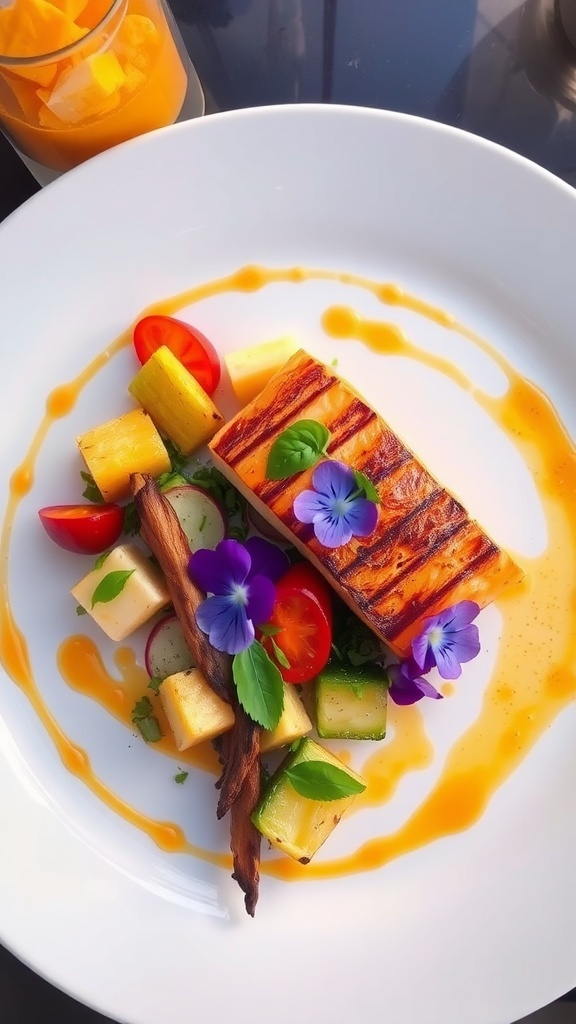
This article covers essential plating techniques such as layering, using negative space, and incorporating color contrasts. These methods can transform a simple dish into a work of art, making it more enjoyable for the diner.
Ingredients
Related
- Artful Sauce Presentation Techniques for Plating
- Artistic Bread Photography Techniques
- Gourmet Salad Presentation Techniques
- Creative Dessert Plating Ideas for Stunning Presentation