Growing your own vegetable garden can be a rewarding and fulfilling experience. With the right planning and care, you can enjoy fresh produce right from your backyard.
This guide covers essential steps to start your garden, including selecting the right location, choosing plants, and maintaining your garden throughout the growing season.
The Beauty of a Vegetable Garden
A vegetable garden is a delightful addition to any backyard, offering both aesthetic appeal and the promise of fresh produce.
With a variety of plants such as tomatoes, peppers, and leafy greens, the vibrant colors and textures create a lively atmosphere.
The sight of lush greenery against the backdrop of a sunny day can be incredibly uplifting.
Choosing the Right Location
Finding the perfect spot for your vegetable garden is essential.
Look for an area that receives ample sunlight, ideally 6-8 hours a day, to ensure your plants thrive.
A sunny backyard not only promotes healthy growth but also makes gardening a more enjoyable experience.
Preparing the Soil
Rich, well-draining soil is the foundation of a successful garden.
Before planting, clear the area of any weeds or debris, and loosen the soil using a garden fork or tiller.
Incorporating compost or organic fertilizer will enrich the soil, providing essential nutrients for your plants.
Selecting Your Plants
When it comes to choosing vegetables, consider your climate and the growing season.
Starting with easy-to-grow varieties like tomatoes, cucumbers, and lettuce can boost your confidence as a beginner gardener.
These plants not only flourish in sunny conditions but also offer a rewarding harvest.
Planting and Watering
Follow the guidelines on seed packets for planting depth and spacing to give your plants the best chance to grow.
If you opt for seedlings, ensure you dig holes that accommodate their roots comfortably.
After planting, water the garden thoroughly, keeping the soil consistently moist without overwatering.
Maintenance and Harvesting
Regular maintenance is key to a thriving vegetable garden.
Check for pests and diseases regularly, and water as needed, especially during dry spells.
Once your vegetables are ripe, harvest them promptly to enjoy the freshest flavors, making the effort of gardening truly worthwhile.
Step-by-Step Vegetable Gardening Guide
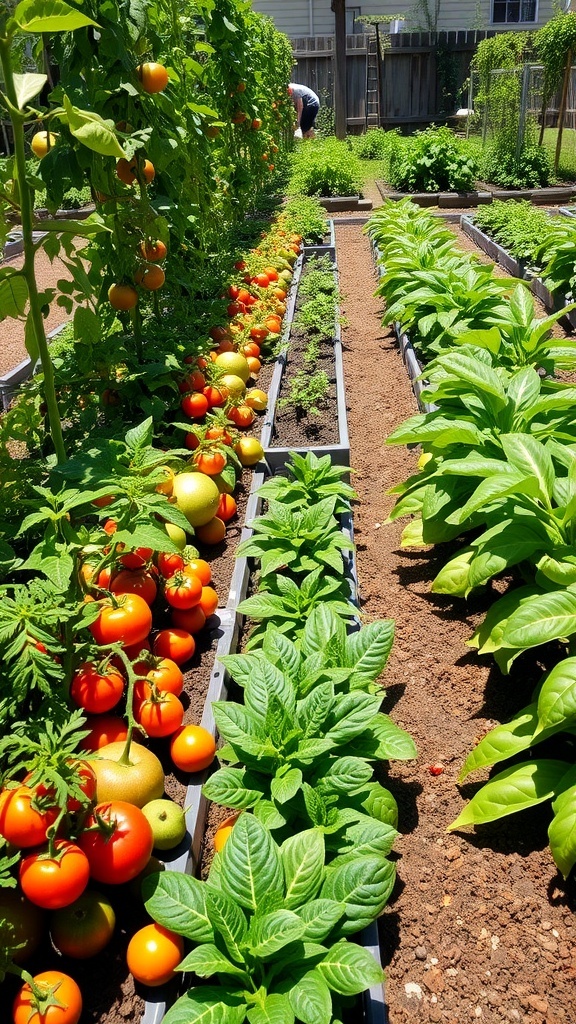
This guide provides practical tips for beginners looking to grow a vegetable garden. It takes you through the process from selecting a suitable site to harvesting your crops, ensuring you have the knowledge needed for a successful gardening experience.
Ingredients
- Seeds or seedlings of your chosen vegetables (e.g., tomatoes, peppers, lettuce)
- Quality potting soil or garden soil
- Compost or organic fertilizer
- Mulch (straw, wood chips, or grass clippings)
- Watering can or garden hose
- Garden tools (trowel, rake, hoe, etc.)
Instructions
- Choose a Location: Select a sunny spot in your yard that receives at least 6-8 hours of sunlight each day.
- Prepare the Soil: Clear the area of weeds and debris, then loosen the soil with a garden fork or tiller. Mix in compost or organic fertilizer to enrich the soil.
- Select Your Plants: Choose vegetables that grow well in your climate and season. Start with easy-to-grow varieties like tomatoes, cucumbers, and lettuce.
- Planting: Follow the seed packet instructions for planting depth and spacing. If using seedlings, dig holes large enough to accommodate the roots and plant them at the same depth they were in their pots.
- Watering: Water the garden thoroughly after planting. Keep the soil consistently moist but not waterlogged, especially during dry spells.
- Mulching: Apply a layer of mulch around your plants to retain moisture, suppress weeds, and regulate soil temperature.
- Maintenance: Regularly check for pests and diseases, water as needed, and fertilize every few weeks to promote healthy growth.
- Harvesting: Once your vegetables are ripe, harvest them promptly to enjoy the freshest flavors. Check specific harvesting guidelines for each type of vegetable.
Cook and Prep Times
- Prep Time: 1 hour
- Growing Time: Varies by vegetable (typically 60-90 days)
- Total Time: Ongoing throughout the growing season
- Servings: Varies based on harvest
- Calories: N/A
- Fat: N/A
- Protein: N/A
- Carbohydrates: N/A
Related
- Guide to Growing Sweet Potatoes in Your Vegetable Garden
- Beginner’s Guide to Growing, Harvesting, and Pruning Raspberry Plants
- Ultimate Guide to Growing Garlic in Your Garden
- Creative Garden Ideas for Growing Beans