The question of whether a nuclear missile can be shot down is a complex one with no easy answer. While there have been efforts to develop missile defense systems to intercept incoming missiles, the effectiveness of these systems is highly debated, and there are many technical, strategic, and political factors that can affect their success.
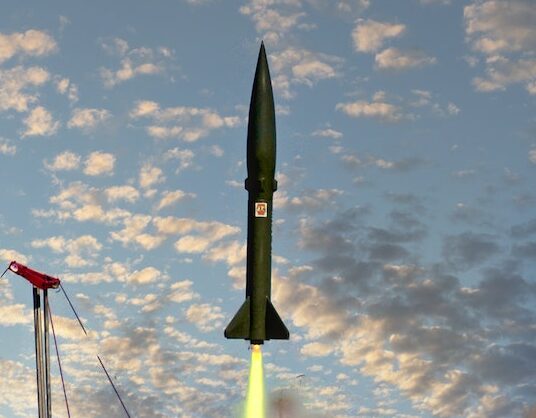
One of the main challenges in intercepting a nuclear missile is the speed and trajectory of the missile. Most ballistic missiles can travel at speeds of several thousand miles per hour, and they follow a highly unpredictable and difficult-to-track flight path. Intercepting a missile requires highly advanced radar and tracking systems, as well as highly accurate missiles capable of intercepting the incoming missile.
There have been various missile defense systems developed over the years, including the U.S. Ground-Based Midcourse Defense (GMD) system, the Russian A-135 missile defense system, and the Israeli Iron Dome system. These systems use a combination of radar and interceptor missiles to detect and destroy incoming missiles.
However, the effectiveness of these systems has been highly debated. One of the main challenges is that missile defense systems are highly expensive to develop and maintain, and they require significant investments in both technology and infrastructure. There are also questions about the reliability and accuracy of these systems, as well as concerns about the potential for false alarms and unintended consequences.
Another challenge is the possibility of countermeasures by the attacking side. A missile defense system relies on being able to accurately detect and track incoming missiles, but the attacking side can potentially use a range of tactics to evade or confuse the defense system. These could include using decoys or countermeasures to distract the defense system, or using low-flying or maneuverable missiles that are more difficult to track and intercept.
There are also strategic and political considerations that can affect the effectiveness of missile defense systems. For example, if one side invests heavily in missile defense systems, it can create an incentive for the other side to develop more advanced and sophisticated missiles that can evade or overcome the defense system. This can lead to an arms race and increased tensions between the two sides.
In conclusion, while there have been efforts to develop missile defense systems to intercept nuclear missiles, the effectiveness of these systems is highly debated and depends on a range of technical, strategic, and political factors. While it is theoretically possible to intercept a nuclear missile, there are many challenges involved, including the speed and trajectory of the missile, the reliability and accuracy of the defense system, and the possibility of countermeasures by the attacking side. The development and deployment of missile defense systems also raises strategic and political considerations that can affect the overall security and stability of international relations.