Using vinegar on the mold after bleach is not recommended. Although both bleach and vinegar are effective at killing mold, they should not be used together due to the potential for dangerous chemical reactions.
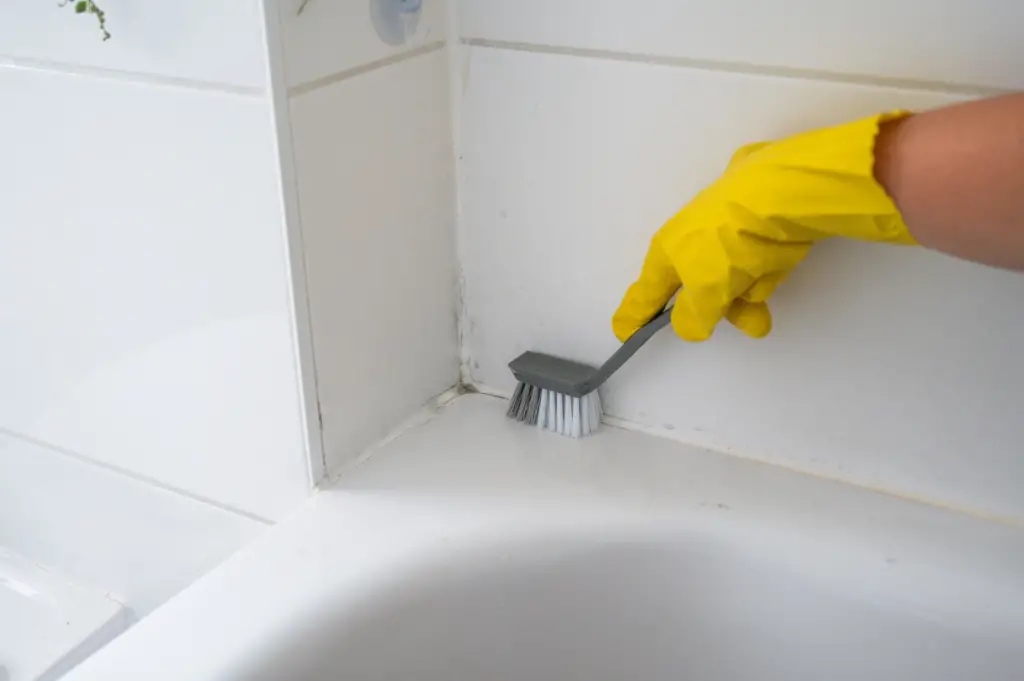
Bleach is a common household disinfectant that is effective at killing mold and other types of fungi. It works by disrupting the cell membranes of these organisms, leading to their death. Bleach is also effective at removing stains and discolorations caused by mold.
However, bleach can have some drawbacks when it comes to mold removal. It can be harmful to human health if not used properly. Bleach produces fumes that can irritate the eyes, nose, and throat, and can cause breathing difficulties in people with asthma or other respiratory conditions. It can also damage some materials, such as fabrics and wood.
Additionally, bleach is not always effective at removing all types of mold. Some strains of mold are resistant to bleach and require more specialized treatments.
Vinegar, on the other hand, is a natural and non-toxic alternative to bleach. It is effective at killing most types of mold and can also be used to remove stains and odors. Vinegar works by creating an acidic environment that is hostile to mold and other microorganisms.
However, using vinegar on mold after bleach can be dangerous. When bleach and vinegar are mixed together, they can create a dangerous chemical reaction that produces chlorine gas. Chlorine gas is a toxic and potentially deadly substance that can cause respiratory problems, eye irritation, and other health issues.
This is because bleach contains sodium hypochlorite, which reacts with the acetic acid in vinegar to produce chlorine gas. The reaction can occur quickly and without warning, especially if the bleach and vinegar are mixed together in a closed space.
To avoid the risk of dangerous chemical reactions, it is best to use either bleach or vinegar on mold, but not both together. If you have already used bleach to clean mold, it is important to thoroughly rinse the area with water before using vinegar. This will help to remove any remaining bleach and prevent a reaction from occurring.
It is also important to note that while vinegar is generally safe to use, it can be harmful if ingested in large amounts. It can also be irritating to the skin and eyes, so it is important to use caution when handling vinegar.
In summary, while both bleach and vinegar are effective at killing mold, they should not be used together due to the potential for dangerous chemical reactions. If you have already used bleach to clean mold, it is important to thoroughly rinse the area with water before using vinegar. If you are unsure about the best way to clean mold, it is always best to consult with a professional mold remediation company.