The One Chip Challenge is a popular food challenge that involves eating a single tortilla chip infused with a high concentration of Carolina Reaper peppers, which are considered the hottest peppers in the world. Although the challenge may seem harmless, it can pose health risks if not done safely.
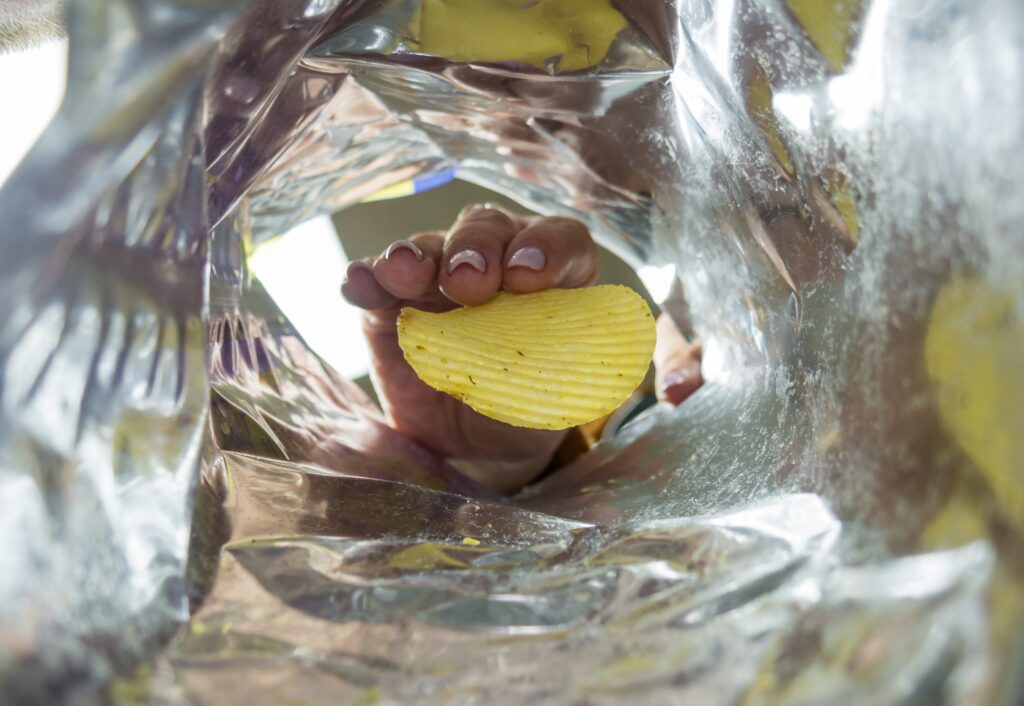
The primary concern with the One Chip Challenge is the extreme heat of the Carolina Reaper peppers, which have a Scoville heat rating of over 2 million units. Consuming these peppers can cause intense pain, burning sensations, and potentially serious health complications. Eating just one chip may cause significant discomfort, depending on an individual’s tolerance for spicy food.
One of the main risks associated with the One Chip Challenge is gastrointestinal problems. Eating Carolina Reaper peppers can cause nausea, vomiting, and diarrhea, which can lead to dehydration and other health issues. Individuals with pre-existing gastrointestinal conditions may be at an increased risk of experiencing negative side effects from the challenge.
Another potential risk associated with the challenge is respiratory problems. Eating extremely spicy food can cause coughing, wheezing, and shortness of breath, especially if the individual has pre-existing respiratory conditions such as asthma or chronic obstructive pulmonary disease (COPD). In rare cases, consuming extremely spicy food can also lead to anaphylaxis, a severe allergic reaction that can be life-threatening.
In addition to physical health risks, the One Chip Challenge can also have mental health implications. Eating extremely spicy food can cause anxiety and panic attacks, especially if the individual is not accustomed to consuming such hot peppers. Some individuals may also experience depression or other mood disorders after attempting the challenge, especially if they experience negative side effects or do not perform as well as they had hoped.
It is important to note that the One Chip Challenge is not recommended for everyone. Individuals with pre-existing health conditions, such as heart disease or high blood pressure, should avoid participating in the challenge, as consuming extremely spicy food can put additional stress on the cardiovascular system. Pregnant women and children should also avoid the challenge, as the potential risks may outweigh any potential benefits.
To minimize the risk of harm, it is important to approach the challenge with caution and be aware of the potential risks involved. Participants should drink plenty of water before, during, and after the challenge to stay hydrated and help flush out any potential gastrointestinal problems. Eating a small amount of food before attempting the challenge can also help to line the stomach and reduce the risk of nausea or vomiting.
In conclusion, while the One Chip Challenge may seem like a harmless way to show off one’s tolerance for spicy food, it can pose serious health risks if not done safely. It is important to weigh the potential risks and benefits and decide whether or not it is worth the risk.