Having unpleasant odor from the armpits, even after showering, can be a frustrating and embarrassing experience. It is important to understand that body odor is a natural phenomenon caused by sweat and bacteria, and several factors can contribute to armpit odor, even after showering.
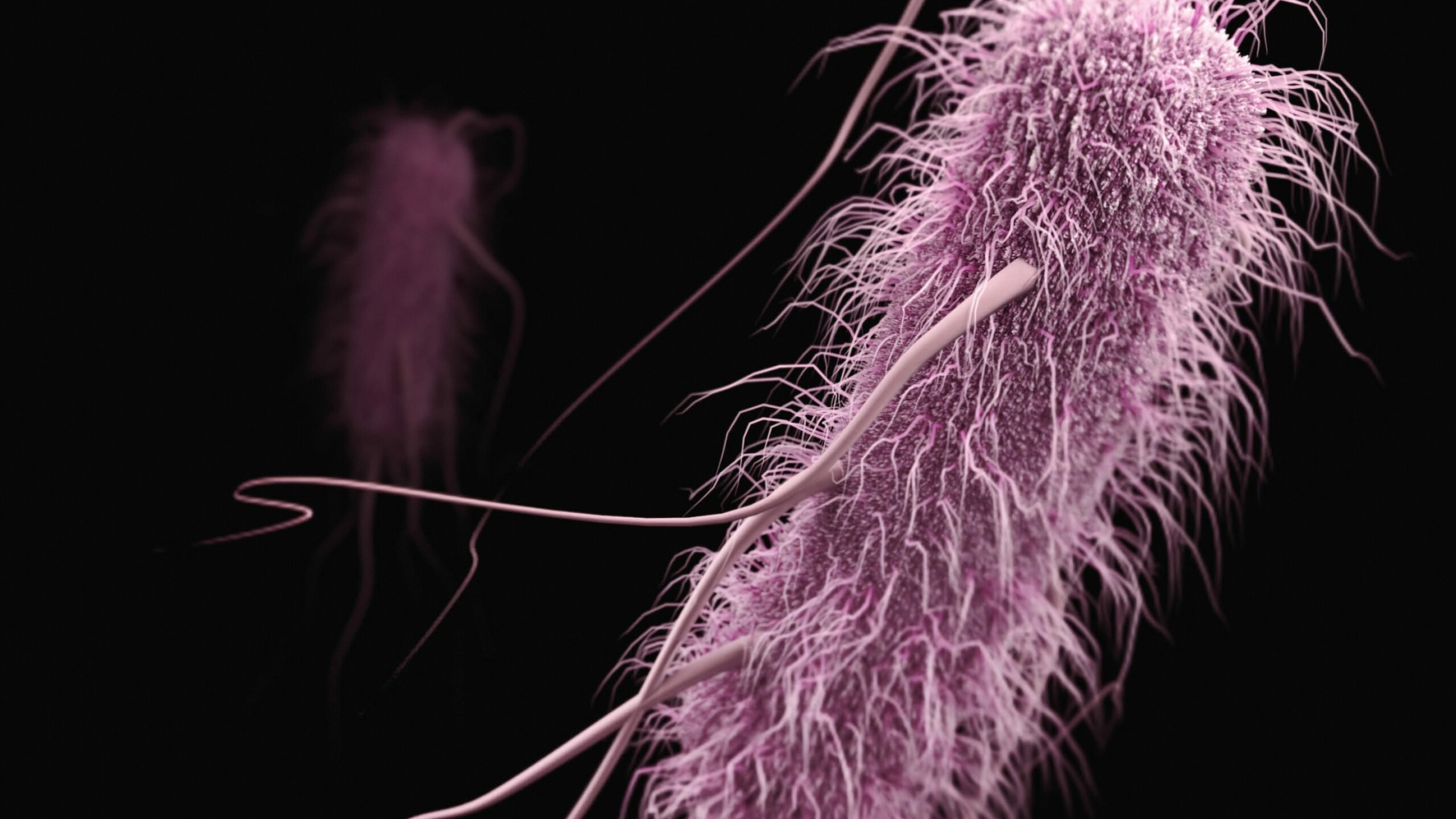
- Bacterial growth: Sweat itself is odorless, but when it comes into contact with bacteria on the skin’s surface, it can create an environment where bacteria thrive. The bacteria break down the sweat and produce byproducts that can have a strong odor. Even after showering, bacteria can quickly repopulate in the armpit area, leading to the return of unpleasant odor.
- Poor hygiene: Proper hygiene practices are crucial in preventing body odor. If you are not effectively cleaning your armpits during showering, residual sweat and bacteria can remain on the skin, leading to persistent odor. Make sure to thoroughly cleanse your armpits with soap and water during showering, paying attention to all crevices and folds of the skin.
- Shaving or hair removal: If you shave or remove hair from your armpits, it can disrupt the natural balance of the skin and increase the risk of body odor. Shaving can cause tiny nicks or cuts in the skin, providing a breeding ground for bacteria. Additionally, armpit hair helps to wick away sweat from the skin, so removing it can result in more sweat remaining on the skin’s surface, potentially leading to increased odor.
- Clothing and fabrics: The type of clothing and fabrics you wear can impact armpit odor. Wearing tight or synthetic fabrics can trap sweat and create a warm, moist environment that is conducive to bacterial growth, leading to persistent odor even after showering. Opt for breathable fabrics like cotton and loose-fitting clothing to allow air circulation and prevent sweat from getting trapped against the skin.
- Diet and lifestyle: Certain foods and lifestyle choices can also affect body odor. Foods with strong odors, such as garlic and onions, can be excreted through sweat glands, resulting in body odor. Additionally, lifestyle choices like smoking and excessive alcohol consumption can contribute to body odor by altering the body’s natural detoxification processes.
- Medical conditions: In some cases, persistent armpit odor after showering may be a result of an underlying medical condition. Medical conditions such as hyperhidrosis (excessive sweating), bromhidrosis (foul-smelling sweat), or certain metabolic disorders can cause increased body odor. If you have tried good hygiene practices and lifestyle changes but still experience persistent armpit odor, it is recommended to consult with a healthcare professional for further evaluation.
- Hormonal changes: Hormonal changes in the body, such as those that occur during puberty, menstruation, or pregnancy, can affect sweat production and body odor. These hormonal changes can result in increased sweating and changes in the composition of sweat, leading to persistent armpit odor even after showering.
- Stress: Stress can trigger increased sweating due to the release of stress hormones in the body. Increased sweat production can create a favorable environment for bacterial growth, leading to persistent body odor. Managing stress through relaxation techniques, exercise, and adequate sleep can help reduce the impact of stress on body odor.
In conclusion, several factors can contribute to persistent armpit odor even after showering. Bacterial growth, poor hygiene, shaving or hair removal, clothing and fabrics, diet and lifestyle, medical conditions, hormonal changes, and stress can all play a role in armpit odor. It is essential to practice good hygiene, wear breathable fabrics, make healthy lifestyle choices, and manage underlying medical conditions or hormonal changes to reduce armpit odor.
Why do my armpits smell after shower?