The shelf life of hard-boiled eggs can depend on several factors, including how they were prepared, how they have been stored, and whether they have been peeled or not. As a general rule, consuming hard-boiled eggs that are two weeks old may not be recommended due to the risk of foodborne illness and loss of quality. Let’s explore this topic in more detail, including the potential risks and considerations associated with consuming hard-boiled eggs that are two weeks old.
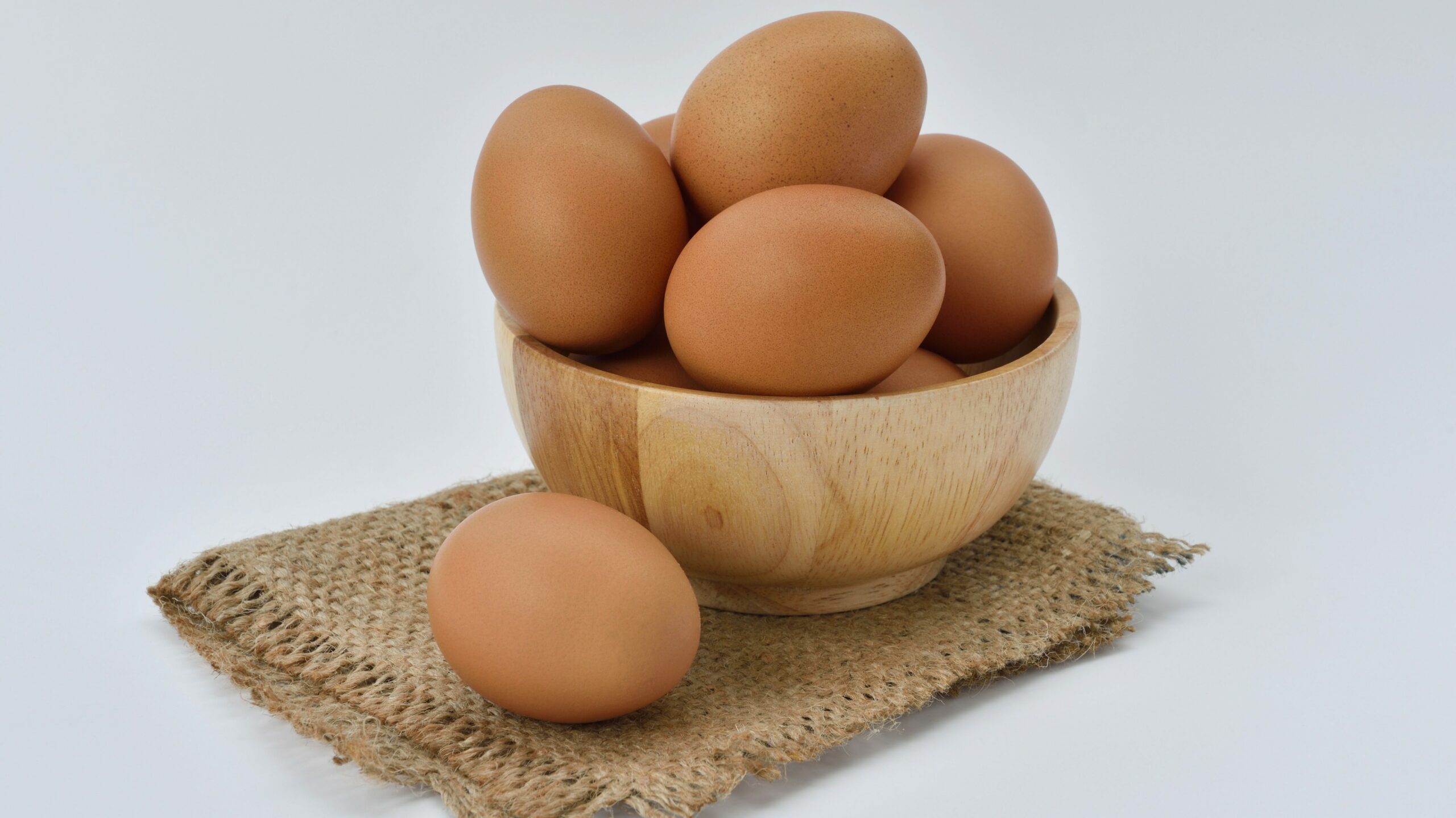
Hard-boiled eggs are a popular and convenient source of protein and nutrients for many people. They are often used in salads, sandwiches, and as a snack. However, like any food product, hard-boiled eggs can spoil over time, leading to potential health risks. The risk of spoilage and foodborne illness increases as the eggs age, especially if they are not stored properly.
When it comes to the shelf life of hard-boiled eggs, it’s important to consider how they were prepared and whether they have been peeled or not. If hard-boiled eggs are peeled, they are more susceptible to bacterial contamination and moisture loss, which can lead to spoilage and potential foodborne illness. Peeled hard-boiled eggs should be stored in the refrigerator in an airtight container to minimize the risk of contamination and spoilage.
If hard-boiled eggs are not peeled, they may have a longer shelf life compared to peeled eggs. Unpeeled hard-boiled eggs that are stored in the refrigerator can typically last for up to one week. However, after two weeks, the quality and safety of the eggs may start to decline, and consuming them may pose a risk of foodborne illness.
One of the primary risks associated with consuming hard-boiled eggs that are two weeks old is the potential for bacterial contamination, particularly from Salmonella. Salmonella is a type of bacteria that can cause food poisoning and is commonly associated with eggs and egg-containing products. As eggs age, the protective coating on the eggshell known as the cuticle can break down, making the eggs more susceptible to bacterial contamination through the porous shell. Additionally, if hard-boiled eggs are not stored at the proper temperature (below 40°F or 4°C), bacteria can multiply, increasing the risk of spoilage and foodborne illness.
Consuming spoiled or contaminated hard-boiled eggs can result in symptoms such as nausea, vomiting, diarrhea, abdominal pain, and fever. In severe cases, foodborne illness from eggs can lead to dehydration, hospitalization, and even death, especially in vulnerable populations such as young children, elderly individuals, pregnant women, and individuals with weakened immune systems.
It’s also important to consider the quality of hard-boiled eggs that are two weeks old. Even if they are not spoiled or contaminated, the quality of the eggs may have deteriorated over time. Hard-boiled eggs that are two weeks old may have a rubbery texture, a sulfuric smell, and a less desirable taste. The yolks may also become dry and crumbly, and the whites may become watery.
To ensure the safety and quality of hard-boiled eggs, it’s important to follow proper food safety practices. This includes washing your hands thoroughly before handling eggs, storing eggs in the refrigerator at or below 40°F (4°C), and discarding any eggs that are cracked, dirty, or have an off smell. If you have peeled hard-boiled eggs, store them in an airtight container in the refrigerator and consume them within a few days for the best quality and safety.
In conclusion, consuming hard-boiled eggs that are two weeks old may pose risks in terms of foodborne illness and loss of quality. Bacterial contamination, particularly from Salmonella, is a concern, especially if the eggs are peeled and not stored properly.