Worms are simple creatures that play an important role in our ecosystem. They are found in a variety of habitats, from soil to water, and serve as an important source of food for many organisms. Although worms are often seen as insignificant creatures, they are surprisingly long-lived, with some species living for many years. In this article, we will explore the lifespan of worms and the factors that affect their longevity.
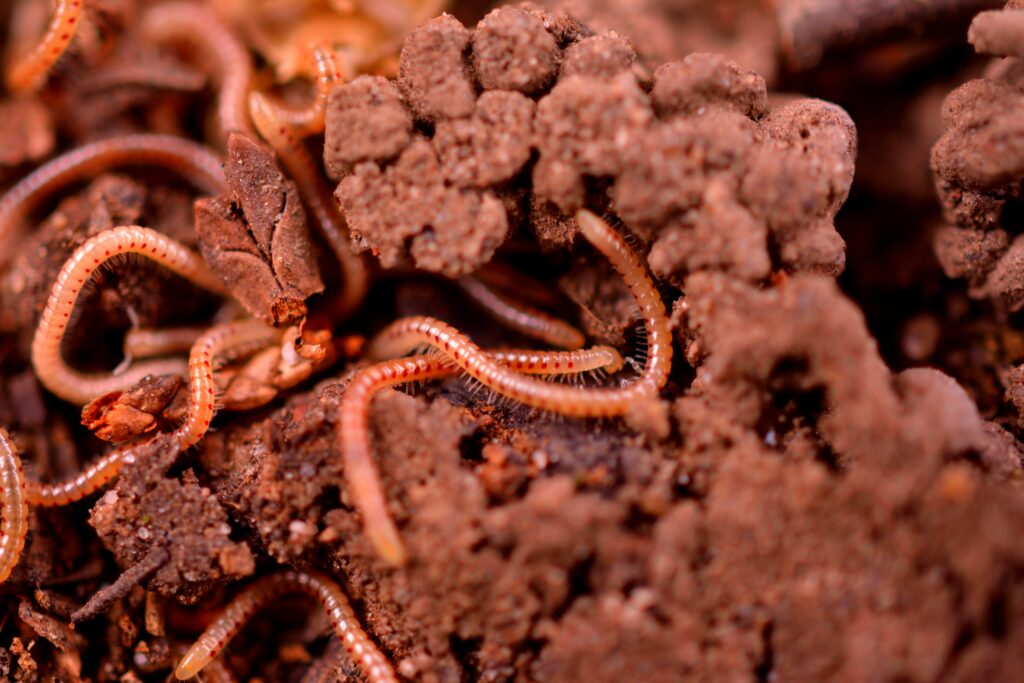
The lifespan of worms varies greatly depending on the species. Some species, such as the giant Gippsland earthworm, can live for up to 15 years, while others have much shorter lifespans. Most worms that are commonly found in gardens and soil, such as the red wiggler and the nightcrawler, have an average lifespan of 1-2 years.
There are many factors that can affect the lifespan of worms. One of the most important factors is their environment. Worms require a moist and nutrient-rich environment in order to survive. If the soil or water they live in becomes too dry, they may die of dehydration. Similarly, if the soil lacks essential nutrients, worms may not be able to obtain the nutrients they need to survive.
Another important factor that affects the lifespan of worms is predation. Worms are an important food source for many organisms, including birds, reptiles, and mammals. If predators are present in the environment, worms may be more likely to be eaten and therefore have a shorter lifespan.
In addition to environmental factors, the age at which worms reach sexual maturity can also affect their lifespan. Worms that mature later in life tend to live longer than those that mature earlier. This is because worms that mature earlier tend to expend more energy reproducing, which can shorten their lifespan.
It is also worth noting that different stages of a worm’s life cycle can have different lifespans. For example, a worm in its cocoon stage can survive for up to 3 years, while the adult worm may only live for a few weeks or months.
Overall, worms are surprisingly long-lived creatures that play an important role in our ecosystem. Their lifespan can vary greatly depending on the species and the environment they live in. Although worms may not seem important, they play a critical role in maintaining the health of our soil and ecosystem. By understanding the factors that affect their lifespan, we can better appreciate the important role that worms play in our world.