Most automated teller machines (ATMs) are designed to accept and process one bill at a time. However, there are some ATMs that are equipped with more advanced technology that allows users to deposit multiple bills at once. In this article, we will discuss the different types of ATMs and their capabilities when it comes to depositing multiple bills.
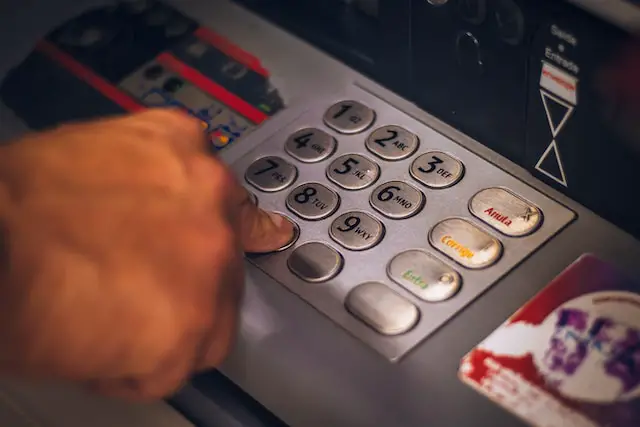
First, it’s important to understand that not all ATMs are created equal. Some ATMs are basic models that can only dispense cash and check balances, while others are more advanced and offer a wider range of features. The capabilities of an ATM will depend on its make and model, as well as the banking institution that operates it.
In general, basic ATMs are not capable of accepting multiple bills at once. These machines typically have a single bill acceptor that is designed to process one bill at a time. If you attempt to deposit multiple bills at once in a basic ATM, the machine will likely reject them and return them to you.
However, more advanced ATMs are equipped with technologies that allow users to deposit multiple bills at once. These machines have advanced bill acceptors that can process multiple bills simultaneously, as well as sensors that detect the size and denomination of each bill.
To deposit multiple bills at once, users will typically need to insert them into a special deposit slot located on the front of the ATM. Some ATMs may have a designated slot for depositing cash, while others may require users to insert cash directly into the bill acceptor. Users may also be required to enter the total amount of the deposit manually using the ATM keypad.
It’s important to note that not all ATMs that accept multiple bills at once are created equal. Some machines may have limitations on the number of bills that can be deposited at once, while others may have restrictions on the type or denomination of bills that can be accepted. Users should consult their banking institution or the ATM manufacturer’s user manual for specific instructions on how to deposit multiple bills at once.
Additionally, users should be careful when depositing multiple bills at once, as the machine may not be able to detect counterfeit bills or bills that are folded or torn. If a counterfeit bill is detected, the machine will likely reject the entire deposit, even if some of the bills are legitimate.
In summary, basic ATMs typically cannot accept multiple bills at once, while more advanced ATMs may have the capability to process multiple bills simultaneously. To deposit multiple bills at once, users will typically need to insert them into a designated deposit slot or the bill acceptor, and may need to enter the total amount of the deposit manually. Users should consult their banking institution or the ATM manufacturer’s user manual for specific instructions on how to deposit multiple bills at once, and should be careful to avoid depositing counterfeit or damaged bills.