Creating a visually appealing cookbook layout is essential for engaging readers and showcasing recipes effectively. A well-designed cookbook combines aesthetics with functionality, ensuring that recipes are easy to read and follow.
This guide covers key elements of cookbook design, including layout structure, typography, color schemes, and imagery, providing practical tips to enhance your cookbook’s overall presentation.
Fundamentals of Cookbook Layout Design
A successful cookbook layout balances visual appeal with clarity.
Consider using a consistent grid system for recipe pages, which helps maintain organization and flow throughout the book.
Selecting legible fonts is crucial; they should enhance readability without distracting from the content.
Incorporating high-quality images that complement the recipes can significantly elevate the overall presentation.
A cohesive color palette reflecting the theme of your cookbook ties everything together, creating a harmonious look that draws readers in.
Key Elements of Cookbook Design
Several essential elements contribute to an effective cookbook design.
The cover design should be eye-catching and reflective of the theme, enticing potential readers to explore further.
An organized table of contents is vital for easy navigation, allowing readers to find their desired recipes quickly.
Recipe layout is another critical component; it should feature clear headings, ingredient lists, and step-by-step instructions that are easy to follow.
Typography plays a significant role, with readable fonts and appropriate sizes for headings and body text enhancing the user experience.
Imagery and Color Schemes
Imagery is not just decorative; high-quality photos enhance the visual appeal of recipes and can inspire readers to try new dishes.
Each image should be carefully selected to represent the dish accurately and attractively.
A consistent color scheme complements the theme of the cookbook, creating a unified look that makes the book visually appealing.
Practical Tips for Cookbook Layout
Implementing practical tips can greatly improve your cookbook’s layout.
Using a grid layout helps maintain consistency across pages, ensuring that each recipe looks polished and professional.
Incorporating white space is essential to avoid clutter, making the text easier to read and the layout more inviting.
Highlighting key ingredients or tips within the recipe can draw attention to important information, enhancing the reader’s understanding.
Consider using icons or symbols for quick reference to dietary information, making it easier for readers to identify recipes that meet their needs.
Creating Engaging Recipe Pages
Recipe pages should be engaging and informative.
Start with a captivating heading that draws the reader in, followed by a brief description of the dish that highlights its unique features.
The ingredient list should be clearly formatted, allowing for easy access while cooking.
Step-by-step instructions need to be concise and straightforward, guiding the reader through the cooking process without confusion.
Incorporating tips or variations at the end of each recipe can provide additional value and encourage experimentation.
Final Touches for a Cohesive Look
Final touches can make a significant difference in the overall presentation of your cookbook.
Consider adding decorative elements, such as borders or background patterns, that align with the theme without overwhelming the content.
Consistent styling across all pages, including headings, fonts, and colors, will create a polished and professional appearance.
Lastly, ensure that the layout is adaptable for both print and digital formats, allowing your cookbook to reach a wider audience.
With thoughtful design choices, your cookbook can become a cherished resource for home cooks everywhere.
Fundamentals of Cookbook Layout Design
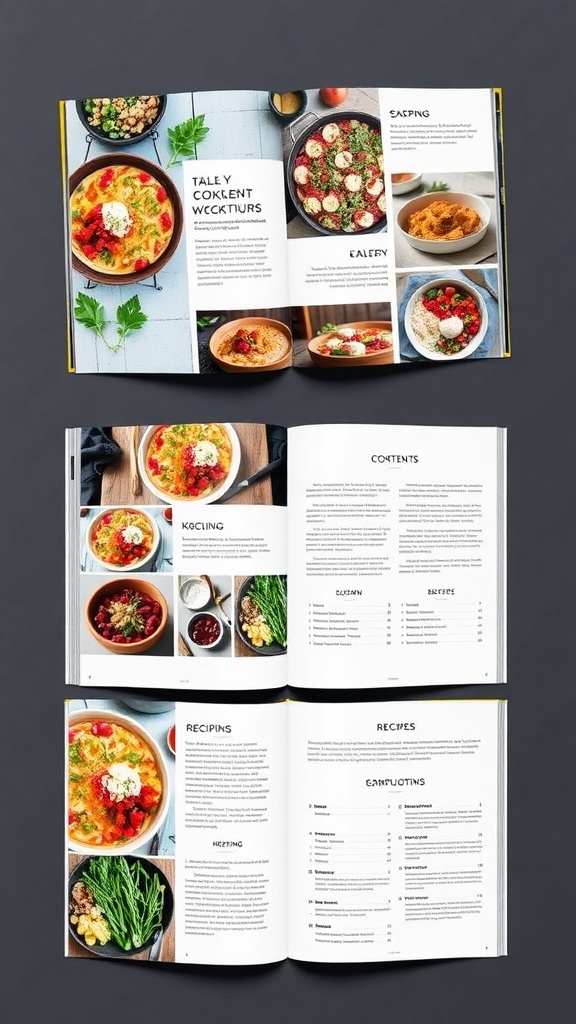
A successful cookbook layout balances visual appeal with clarity. Consider using a consistent grid system for recipe pages, selecting legible fonts, and incorporating high-quality images that complement the recipes. Aim for a cohesive color palette that reflects the theme of your cookbook.
Ingredients
Related
- Recipe Book Design Essentials
- LG 27GP950 Review: Design, Features, Performance & More
- Samsung U28R55 Review: Design, Features, Performance & More
- 6 Best Graphics Cards For Graphic Design