This guide focuses on designing a visually appealing recipe zine that showcases your culinary creations. A recipe zine is a self-published booklet that allows you to share your favorite recipes with a personal touch.
The design process involves selecting a layout, choosing fonts, and incorporating images that reflect the style of your recipes. Whether you’re creating a digital or printed zine, these tips will help you create an engaging and attractive presentation.
Creating a Visually Striking Recipe Zine
Designing a recipe zine is an exciting way to share your culinary creations with the world.
With a focus on aesthetics and functionality, a well-crafted zine can elevate your recipes into a work of art.
From selecting the right layout to incorporating vibrant images, each element plays a crucial role in the overall presentation.
Choosing Your Theme
The first step in your zine design journey is to decide on a theme.
This theme should reflect your cooking style or the specific types of recipes you wish to share.
Whether it’s a rustic farm-to-table vibe or a sleek modern aesthetic, your theme sets the tone for the entire zine.
Consider how colors, fonts, and imagery can align with this theme to create a cohesive look.
A clear theme will guide your design choices and help your zine resonate with your audience.
Selecting the Layout
Once your theme is established, it’s time to focus on the layout.
Using a grid or template can help organize your content effectively.
Think about how many recipes you want to include and how best to display them for maximum impact.
Balance is key; ensure that text and images complement each other without overwhelming the reader.
A well-structured layout allows for easy navigation and enhances the overall reading experience.
Typography Choices
Typography is an essential aspect of your zine’s design.
Select fonts that are not only visually appealing but also easy to read.
Mixing different font sizes for headings and body text can create visual interest and hierarchy.
Be mindful of the overall tone of your zine; whimsical fonts may suit a casual recipe collection, while sleek fonts may be better for a more sophisticated approach.
Consistency in font choices throughout the zine will help maintain a polished look.
Incorporating High-Quality Images
Images are a powerful tool in recipe zine design.
Including high-quality photos of your dishes can entice readers and showcase your culinary skills.
Ensure that your images are well-lit and visually striking to draw attention.
Consider using a mix of full-page images and smaller thumbnails to create variety within your zine.
Images should enhance the text, providing a visual representation of the recipes and making the zine more engaging.
Designing the Cover
The cover of your zine is the first impression readers will have, making it a vital component of your design.
Create an eye-catching cover that features the title prominently along with a relevant image that encapsulates your theme.
Utilize bold colors and creative typography to make the cover stand out.
A well-designed cover not only attracts attention but also invites readers to explore the contents within.
Finalizing Your Zine
After completing the design, it’s time to finalize your zine.
For printed versions, choose quality paper that enhances the visual appeal of your images and text.
If opting for a digital format, consider using PDF for easy sharing and accessibility.
Take a moment to review your zine for any last-minute adjustments.
Ensuring that everything is polished and professional will leave a lasting impression on your readers.
Step-by-Step Guide to Recipe Zine Design
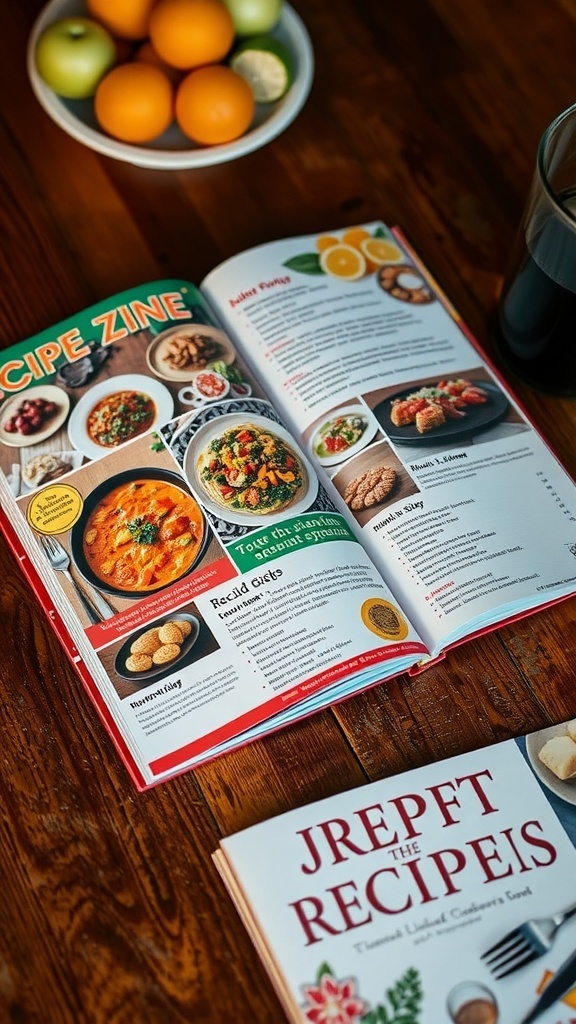
This guide covers essential aspects of recipe zine design, including layout ideas, typography choices, and image integration. The process is straightforward and can be tailored to your unique style, making it an enjoyable project for any cooking enthusiast.
Ingredients
- Paper or digital design software
- High-quality images of your recipes
- Creative fonts and typography
- Color palette that reflects your theme
- Layout templates or design grids
- Binding materials (for printed zines)
Instructions
- Choose a Theme: Decide on a theme for your zine that reflects your cooking style or the type of recipes you want to share.
- Select a Layout: Use a grid or template to organize your content. Consider how many recipes you want to include and how to best display them.
- Incorporate Typography: Choose fonts that are easy to read and complement your theme. Use different font sizes for headings and body text to create visual interest.
- Add Images: Include high-quality images of your dishes. Ensure they are well-lit and visually appealing to attract readers.
- Design the Cover: Create an eye-catching cover that includes the title of your zine and a relevant image. This is the first impression readers will have.
- Print or Publish: If creating a physical zine, print it using quality paper. For digital zines, consider using PDF format for easy sharing.
Cook and Prep Times
- Prep Time: 1 hour
- Design Time: 3-5 hours
- Total Time: 4-6 hours
- Servings: 1 zine
- Calories: N/A
- Fat: N/A
- Protein: N/A
- Carbohydrates: N/A
Related
- Homemade Recipe Zine
- 10 Creative Zine Ideas for Valentine’s Day 2026
- LG 27GP950 Review: Design, Features, Performance & More
- Samsung U28R55 Review: Design, Features, Performance & More