Betta fish, also known as Siamese fighting fish, are popular aquarium pets known for their striking colors and flowing fins. Unfortunately, like all living creatures, betta fish will eventually pass away. When this happens, many pet owners wonder whether their fish will float or sink in the aquarium.
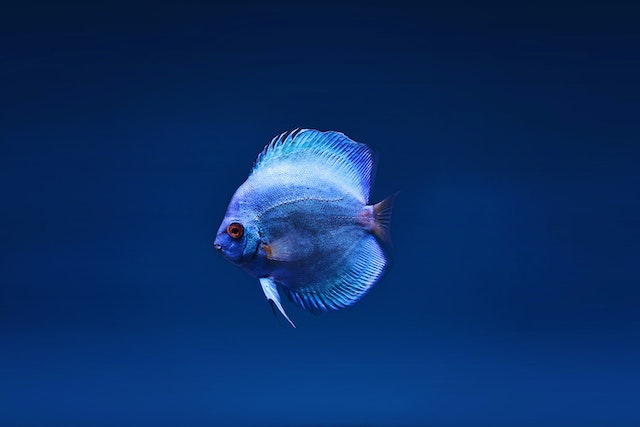
The answer to this question depends on a variety of factors, including the betta fish’s health, the conditions of the aquarium, and the length of time since the fish has died. In general, however, there are a few things that can be said about how dead betta fish behave in water.
One of the primary factors that determines whether a dead betta fish will float or sink is its level of decomposition. As a dead fish begins to decompose, gases produced by the breakdown of its body tissues will cause it to become buoyant. This is because the gases are less dense than water, causing the fish to float to the surface.
However, it is important to note that not all dead betta fish will float immediately after death. In some cases, the fish may sink to the bottom of the aquarium due to the weight of its body. This is more likely to occur in fish that were in poor health at the time of their death, as their bodies may be more dense due to dehydration or other factors.
The conditions of the aquarium can also play a role in whether a dead betta fish will float or sink. For example, if the water in the aquarium is very warm, it may speed up the decomposition process, causing the fish to become buoyant more quickly. On the other hand, if the water is very cold, decomposition may be slowed down, causing the fish to sink and remain at the bottom of the aquarium for a longer period of time.
Another factor to consider is how long it has been since the fish died. In the hours immediately following death, a betta fish may sink to the bottom of the aquarium due to the weight of its body. However, as decomposition begins, gases will build up in the fish’s body and cause it to become buoyant. This process can take several hours or even days, depending on the conditions in the aquarium.
Ultimately, whether a dead betta fish floats or sinks is not particularly important from a practical standpoint. What is more important is ensuring that the fish is removed from the aquarium as soon as possible after death. Not only can a dead fish spoil the water in the aquarium, but it can also pose a health hazard to other fish in the tank.
In conclusion, the behavior of dead betta fish in water is largely determined by the decomposition process. Over time, gases produced by the breakdown of the fish’s body tissues will cause it to become buoyant and float to the surface of the water. However, in the hours immediately following death, the fish may sink to the bottom of the aquarium due to the weight of its body. Ultimately, the most important thing is to remove the dead fish from the aquarium as soon as possible to prevent contamination and other issues.