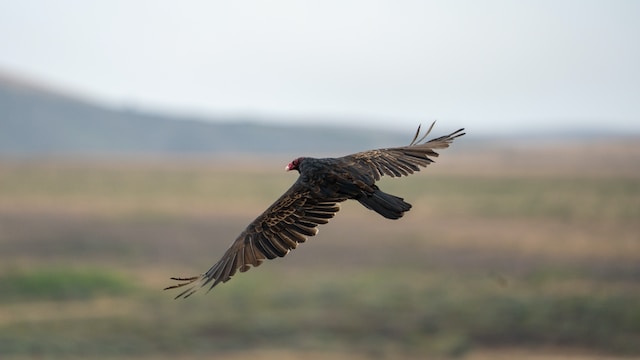
Turkey vultures are large birds of prey found in the Americas, and they play an important role in the ecosystems they inhabit. They are also rich in symbolism, both in ancient and modern cultures. In this article, we will explore the various meanings and symbolism associated with the turkey vulture.
Cleansing and renewal:
One of the most common interpretations of turkey vulture symbolism is that of cleansing and renewal. In many cultures, the turkey vulture is associated with death and decay. However, it is also seen as a bird that can transform and purify the environment through its ability to consume and digest carrion. This process of cleansing and renewal is seen as essential to the health and balance of the ecosystem.
In ancient Mesoamerican cultures, the turkey vulture was associated with the god of death and the underworld. The bird was believed to have the power to purify and transform the souls of the deceased, preparing them for their journey to the afterlife. In some Native American cultures, the turkey vulture is also associated with cleansing and renewal. The bird is seen as a symbol of the life-death-rebirth cycle, representing the constant renewal and transformation of the natural world.
Protection and guidance:
In some cultures, the turkey vulture is also seen as a protective spirit. The bird’s keen eyesight and ability to soar high in the sky make it a powerful symbol of protection and guidance. In ancient Egypt, the vulture was associated with the goddess Nekhbet, who was believed to protect the pharaohs and their people. The turkey vulture’s role as a protector is also reflected in some Native American cultures. The bird is seen as a guardian spirit, offering guidance and protection to those in need.
Freedom and independence:
The turkey vulture is also a symbol of freedom and independence. The bird’s ability to soar high in the sky without flapping its wings is seen as a representation of freedom and independence. In some Native American cultures, the turkey vulture is seen as a symbol of self-reliance and independence. The bird is revered for its ability to survive in the harsh desert environment, living off the land and relying on its instincts to find food and shelter.
Spirituality and transformation:
In many spiritual traditions, the turkey vulture is seen as a symbol of transformation and spiritual awakening. The bird’s ability to consume and digest carrion is seen as a metaphor for the transformative power of spiritual purification. In some Native American cultures, the turkey vulture is also seen as a messenger from the spirit world. The bird is believed to carry messages from the ancestors and the spirit realm, offering guidance and insight to those who seek it.
Adaptability and resilience:
Finally, the turkey vulture is also a symbol of adaptability and resilience. The bird is able to survive in a wide range of environments, from deserts to forests to urban areas. Its ability to adapt to changing conditions and thrive in challenging environments is seen as a reflection of its resilience and strength. In some Native American cultures, the turkey vulture is also seen as a symbol of perseverance and endurance. The bird’s ability to survive in harsh conditions is seen as a reminder of the importance of resilience and the need to persevere in the face of adversity.
In conclusion, the turkey vulture is a powerful symbol with deep cultural and spiritual significance. Its symbolism encompasses a wide range of themes, including cleansing and renewal, protection and guidance, freedom and independence, spirituality and transformation, and adaptability and resilience. Whether viewed as a harbinger of death or a messenger of the spirit world, the turkey vulture is a symbol that has captured the imaginations of people around the world for thousands of years.