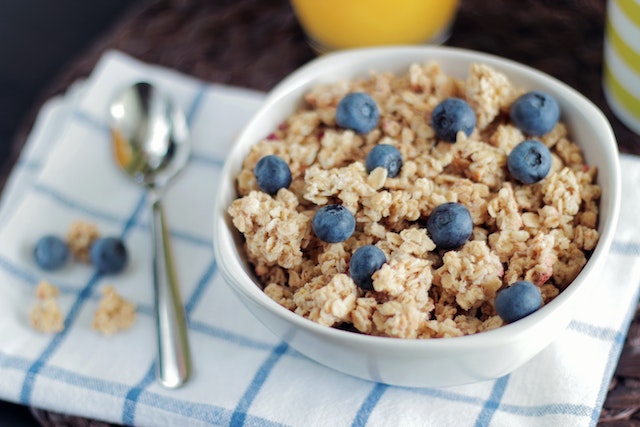
Oatmeal is a nutritious and delicious breakfast option that is enjoyed by people all over the world. It is made by boiling rolled or ground oats in water or milk, and it is often served with toppings such as fruits, nuts, or sweeteners. Oatmeal is not only a great source of fiber, but it is also rich in various vitamins and minerals, including magnesium.
Magnesium is a mineral that is essential for human health. It plays a crucial role in over 300 biochemical reactions in the body, including the regulation of muscle and nerve function, blood sugar control, and the production of DNA and protein. Magnesium is also important for the maintenance of healthy bones and teeth, and it helps to keep the heart rhythm steady.
One cup (81 grams) of cooked oatmeal contains about 57 milligrams of magnesium, which is about 14% of the recommended daily intake for adult men and women. While this may not seem like a lot, oatmeal is a good source of magnesium because it is also high in other nutrients that work together with magnesium to support overall health.
For example, oatmeal is a rich source of fiber, with one cup of cooked oatmeal providing about 4 grams of dietary fiber. Fiber is important for digestive health, as it helps to regulate bowel movements and prevent constipation. Fiber can also help to lower cholesterol levels and reduce the risk of heart disease. In addition, fiber works with magnesium to support healthy blood sugar control, as it slows down the absorption of glucose into the bloodstream and prevents spikes in blood sugar levels.
Oatmeal is also a good source of vitamins and minerals that work together with magnesium to support overall health. For example, oatmeal contains thiamin, which is important for the metabolism of carbohydrates, and riboflavin, which is important for the metabolism of fats and proteins. Oatmeal is also a rich source of iron, which is important for the production of red blood cells, and zinc, which is important for immune system function.
In addition to its nutrient content, oatmeal has other health benefits that make it a great addition to a healthy diet. For example, oatmeal is low in fat and calories, which makes it a great option for weight loss and weight management. Oatmeal is also a good source of complex carbohydrates, which provide long-lasting energy and help to regulate blood sugar levels.
Finally, oatmeal is a versatile food that can be customized to meet individual taste preferences and dietary needs. Oatmeal can be prepared in a variety of ways, from sweet to savory, and it can be topped with a variety of fruits, nuts, and other ingredients. Oatmeal can also be prepared with different types of milk or water, depending on individual dietary preferences.
In conclusion, oatmeal is a good source of magnesium and other important nutrients that support overall health. While one cup of cooked oatmeal may not provide all of the magnesium that a person needs, it can be a great addition to a healthy diet that includes other magnesium-rich foods such as nuts, seeds, and leafy green vegetables. Oatmeal is also a versatile food that can be customized to meet individual taste preferences and dietary needs.