Botox is a neurotoxin that is used to temporarily paralyze muscles, thereby reducing the appearance of wrinkles and fine lines. While it can be effective in smoothing out wrinkles on the forehead and between the eyebrows, some patients may experience a drooping or lowering of the eyebrows after Botox injections.
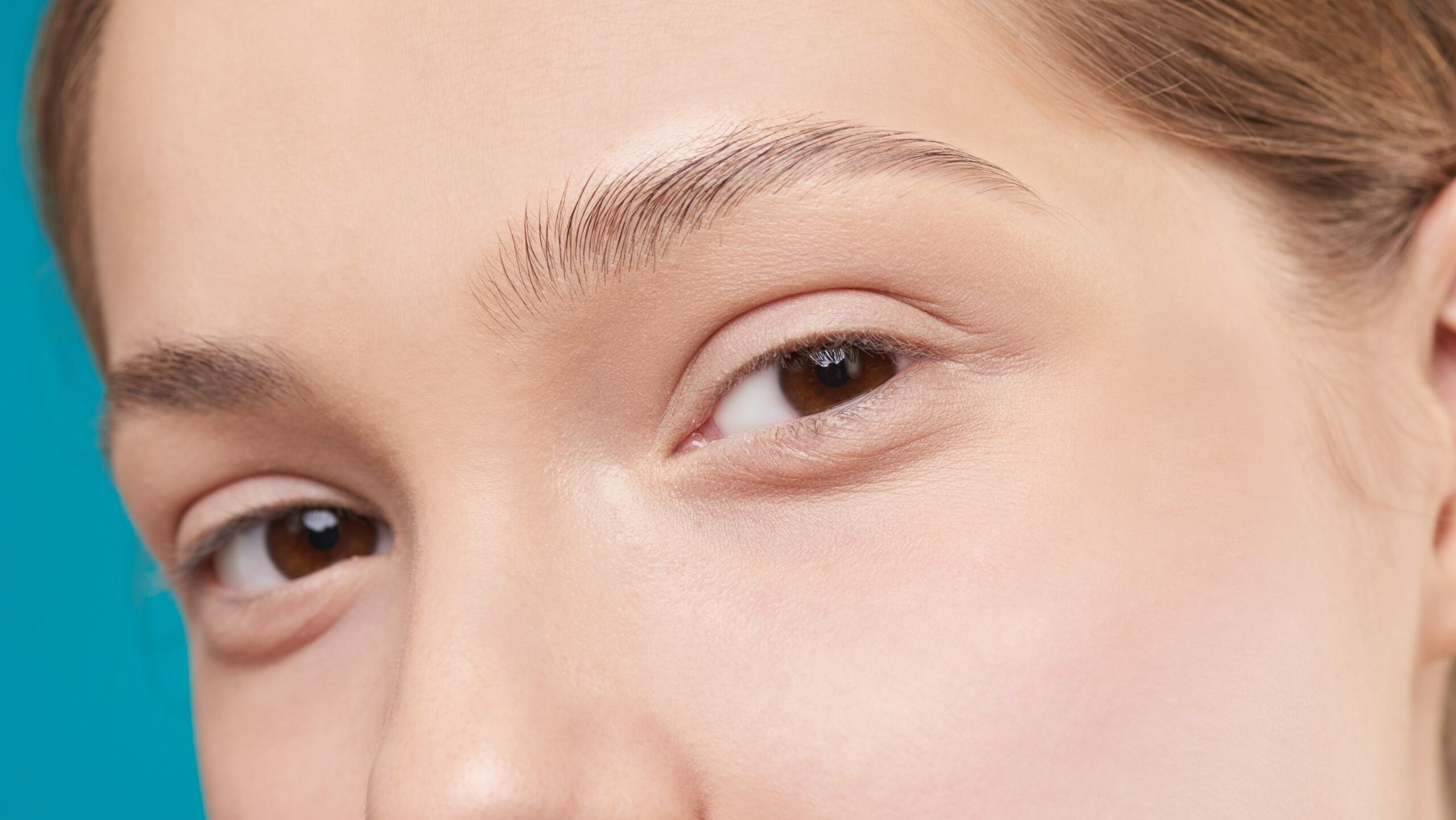
There are several reasons why this may occur:
- Injection technique: The skill and experience of the injector can play a significant role in the results of Botox treatment. If the Botox is injected too low on the forehead or too close to the eyebrows, it can cause the muscles that lift the eyebrows to weaken, resulting in a drooping or lowering effect.
- Amount of Botox used: Using too much Botox can also cause the eyebrows to droop. If too much Botox is injected into the muscles that lift the eyebrows, it can cause them to weaken and lead to a lowering effect.
- Muscular anatomy: The muscular anatomy of each individual is unique, and some patients may be more prone to a lowering effect than others. For example, patients with a naturally low brow or heavy eyelids may be more likely to experience a drooping effect after Botox injections.
- Age: As we age, our skin and muscles lose elasticity, and this can affect the results of Botox injections. Older patients may be more likely to experience a drooping effect due to decreased muscle tone and weakened supporting structures.
- Pre-existing conditions: Patients with certain pre-existing conditions, such as a drooping eyelid or ptosis, may be more prone to a lowering effect after Botox injections.
- Incorrect placement: If the Botox is injected into the wrong area, such as the muscles that control the eyelids, it can cause a drooping effect.
It is important to note that while a drooping or lowering of the eyebrows after Botox injections is a possible side effect, it is relatively rare. Most patients experience no adverse effects and are satisfied with the results of their treatment.
If you do experience a drooping or lowering effect after Botox injections, it is important to discuss your concerns with your injector. They may be able to adjust the placement of the injections or reduce the amount of Botox used in future treatments to avoid a similar effect. In some cases, the use of additional Botox in the muscles that lift the eyebrows may help to counteract the drooping effect.
In summary, a drooping or lowering of the eyebrows after Botox injections can occur for several reasons, including injection technique, amount of Botox used, muscular anatomy, age, pre-existing conditions, and incorrect placement. While it is relatively rare, it is important to discuss any concerns or side effects with your injector to ensure the best possible outcome.