Sweating is a natural process that helps regulate body temperature by releasing heat through the skin. When the body is fighting an infection, such as a fever, sweating can be a sign that the body is trying to cool down and return to a normal temperature. However, sweating alone does not necessarily mean that a fever is breaking, and there are several factors to consider when interpreting this symptom.
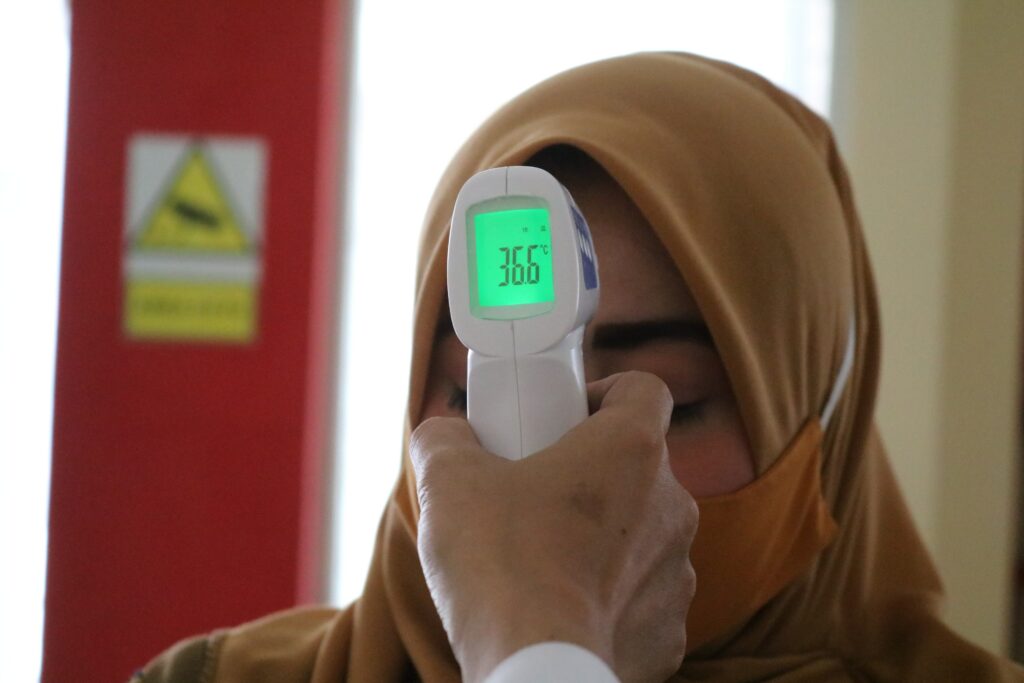
First, it’s important to understand what a fever is and how it works. A fever is a temporary increase in body temperature that occurs when the body’s immune system is fighting an infection or other illness. Fevers are typically characterized by a body temperature of 100.4°F (38°C) or higher, and may be accompanied by other symptoms such as chills, fatigue, and muscle aches. Fevers are a natural response to infection and can help the body fight off the illness by activating the immune system and slowing the growth of bacteria or viruses.
Sweating can be a sign that the body is starting to cool down and return to a normal temperature after a fever. As the body temperature drops, the sweat glands begin to produce sweat, which helps to lower the body’s temperature by releasing heat through the skin. Sweating can also be a sign that the body is expelling toxins or waste products through the skin, which can help support the immune system and promote healing.
However, it’s important to note that sweating alone does not necessarily mean that a fever is breaking. The duration and severity of a fever can vary depending on the underlying cause and the individual’s overall health. In some cases, sweating may occur during the course of a fever but the fever may continue or even worsen after sweating occurs.
It’s also important to consider other factors that may affect sweating and fever, such as hydration status, medication use, and underlying medical conditions. Dehydration, for example, can make it more difficult for the body to regulate temperature and may exacerbate fever symptoms. Certain medications, such as antipyretics (fever-reducing drugs) and diuretics (water pills), may also affect the body’s ability to regulate temperature and sweating.
Finally, underlying medical conditions such as hyperhidrosis (excessive sweating) or hypothyroidism (underactive thyroid) may also affect sweating and body temperature regulation. These conditions can cause sweating to occur even when the body is not experiencing a fever or infection, and may require medical treatment.
In conclusion, while sweating can be a sign that the body is starting to cool down and return to a normal temperature after a fever, it does not necessarily mean that a fever is breaking. The duration and severity of a fever can vary depending on the underlying cause and individual factors, and it’s important to consider other factors that may affect sweating and body temperature regulation. If you are experiencing a fever or other symptoms of illness, it’s always best to consult with a healthcare provider for proper diagnosis and treatment.