A red egg yolk can be a surprising sight and may cause some concern for people who are used to seeing the typical yellow or orange yolk. There are several possible reasons why an egg yolk may appear red, ranging from natural variations in the hen’s diet to more serious health concerns. Here are some possible explanations:
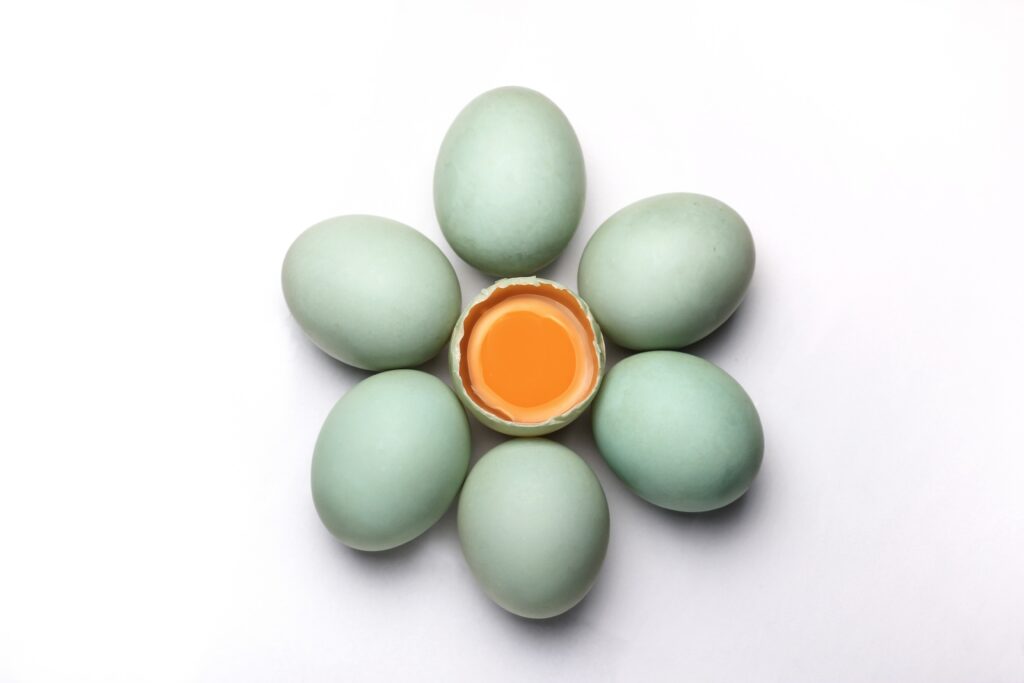
- Hen’s Diet: The color of a hen’s diet can affect the color of the egg yolk. Hens that are fed a diet that is rich in pigments like red peppers, carrots, or marigold petals, for example, may lay eggs with a more orange or red yolk. This is because these pigments are deposited in the yolk as it forms in the hen’s reproductive system. Some breeds of chickens, such as Rhode Island Reds and Leghorns, are known to produce eggs with darker yolks, which may also appear more red.
- Blood Spots: In some cases, a red or pink spot in the yolk may be caused by a small amount of blood that has leaked into the egg during formation. Blood spots can occur when a blood vessel in the hen’s reproductive system ruptures during egg formation, causing a small amount of blood to mix with the egg yolk. Blood spots are generally harmless and can be removed by simply scooping out the affected part of the yolk.
- Disease or Infection: In rare cases, a red or pink color in the egg yolk may be a sign of a serious health problem in the hen, such as avian influenza or Newcastle disease. These diseases can cause the yolk to become discolored or to have an unusual texture, and infected birds may also exhibit other symptoms like lethargy, loss of appetite, or difficulty breathing. If you suspect that your eggs may be contaminated with a disease or infection, it’s important to consult a veterinarian or agricultural expert for advice.
- Genetic Factors: Some chickens may have a genetic predisposition to lay eggs with red yolks. This is typically seen in certain breeds of chickens that are bred for their distinctive coloring or other physical traits, such as the Ayam Cemani, a breed of chicken from Indonesia that has black feathers, black skin, and black internal organs, including the yolk.
- Chemical Contamination: In rare cases, a red egg yolk may be the result of chemical contamination of the hen’s environment. For example, exposure to certain chemicals or toxins, such as lead or mercury, can cause the yolk to become discolored or abnormal. This is a serious concern and can pose a health risk to both the hen and any consumers who eat the contaminated eggs.
In general, a red or pink egg yolk is not necessarily cause for alarm, and may simply be the result of natural variations in the hen’s diet or breed. However, if you notice any other unusual symptoms or abnormalities in your eggs or your hens, it’s important to seek professional advice to rule out any serious health concerns. If you are unsure about the safety or quality of your eggs, it’s always best to err on the side of caution and discard them rather than risk consuming contaminated or spoiled eggs.
A red egg yolk can be a surprising sight and may cause some concern for people who are used to seeing the typical yellow or orange yolk. There are several possible reasons why an egg yolk may appear red, ranging from natural variations in the hen’s diet to more serious health concerns. Here are some possible explanations:
- Hen’s Diet: The color of a hen’s diet can affect the color of the egg yolk. Hens that are fed a diet that is rich in pigments like red peppers, carrots, or marigold petals, for example, may lay eggs with a more orange or red yolk. This is because these pigments are deposited in the yolk as it forms in the hen’s reproductive system. Some breeds of chickens, such as Rhode Island Reds and Leghorns, are known to produce eggs with darker yolks, which may also appear more red.
- Blood Spots: In some cases, a red or pink spot in the yolk may be caused by a small amount of blood that has leaked into the egg during formation. Blood spots can occur when a blood vessel in the hen’s reproductive system ruptures during egg formation, causing a small amount of blood to mix with the egg yolk. Blood spots are generally harmless and can be removed by simply scooping out the affected part of the yolk.
- Disease or Infection: In rare cases, a red or pink color in the egg yolk may be a sign of a serious health problem in the hen, such as avian influenza or Newcastle disease. These diseases can cause the yolk to become discolored or to have an unusual texture, and infected birds may also exhibit other symptoms like lethargy, loss of appetite, or difficulty breathing. If you suspect that your eggs may be contaminated with a disease or infection, it’s important to consult a veterinarian or agricultural expert for advice.
- Genetic Factors: Some chickens may have a genetic predisposition to lay eggs with red yolks. This is typically seen in certain breeds of chickens that are bred for their distinctive coloring or other physical traits, such as the Ayam Cemani, a breed of chicken from Indonesia that has black feathers, black skin, and black internal organs, including the yolk.
- Chemical Contamination: In rare cases, a red egg yolk may be the result of chemical contamination of the hen’s environment. For example, exposure to certain chemicals or toxins, such as lead or mercury, can cause the yolk to become discolored or abnormal. This is a serious concern and can pose a health risk to both the hen and any consumers who eat the contaminated eggs.
In general, a red or pink egg yolk is not necessarily cause for alarm, and may simply be the result of natural variations in the hen’s diet or breed. However, if you notice any other unusual symptoms or abnormalities in your eggs or your hens, it’s important to seek professional advice to rule out any serious health concerns. If you are unsure about the safety or quality of your eggs, it’s always best to err on the side of caution and discard them rather than risk consuming contaminated or spoiled eggs.