This guide provides essential tips and techniques for creating beautiful watercolor paintings of ducks. Whether you’re a beginner or an experienced artist, you’ll find useful information to enhance your skills.
Watercolor painting allows for vibrant colors and fluidity, making it ideal for capturing the delicate features and textures of ducks. With the right materials and approach, you can create stunning artwork.
Materials Needed for Your Watercolor Painting
To create a stunning watercolor painting of a duck, gather the necessary materials that will enhance your artistic process.
Start with high-quality watercolor paints that offer a vibrant palette. Choose a selection that includes various shades to capture the duck’s unique colors.
Watercolor paper is essential; opt for 300 gsm for better absorption and durability. A set of brushes, both round and flat, will help you achieve different effects, while a palette for mixing colors will allow you to create the perfect hues.
Don’t forget a water container for rinsing your brushes and paper towels for blotting. Lastly, a pencil is useful for sketching the initial outline of your duck before applying paint.
Techniques for Capturing the Duck’s Essence
Begin your painting by lightly sketching the outline of the duck. This initial step sets the foundation for your artwork.
Next, apply a light wash of color to establish the base tone of the duck’s body. This method creates a soft background that allows for layering.
Gradually add darker colors to build depth and shadows, enhancing the three-dimensional quality of the duck. Employ a wet-on-wet technique to create soft edges and seamless blending, which is crucial for depicting the delicate feathers.
Finally, use a fine brush to add intricate details, such as the texture of the feathers and reflections in the water, bringing your painting to life.
Understanding the Background Elements
The background of your painting plays a vital role in creating a serene atmosphere. Incorporate gentle ripples in the water to suggest movement and tranquility.
Surround the pond with lush greenery, which adds depth and context to the scene. Use soft, flowing brush strokes to depict the foliage, ensuring it complements the duck without overpowering it.
Consider the color palette for the background; soft greens and blues will enhance the peacefulness of the setting, allowing the duck to stand out as the focal point.
Time Management for Your Painting Session
Planning your time effectively can lead to a more enjoyable painting experience. Allocate approximately 10 minutes for preparation, ensuring all materials are ready and within reach.
The painting process can take between 1 to 2 hours, depending on your pace and the level of detail you wish to achieve. Take breaks if needed, allowing the paint to dry between layers for the best results.
Overall, set aside a total of 1 to 2 hours for your painting session, providing ample time to create a beautiful piece without feeling rushed.
Final Touches and Presentation
Once your painting is complete, take a moment to step back and assess your work. Look for areas that may need additional details or adjustments.
After finalizing your painting, consider how you would like to present it. Framing your artwork can enhance its appearance and protect it from damage.
Display your serene watercolor painting in a well-lit area where it can be appreciated, allowing others to enjoy the tranquil scene of a duck gliding across a peaceful pond.
Step-by-Step Duck Watercolor Painting
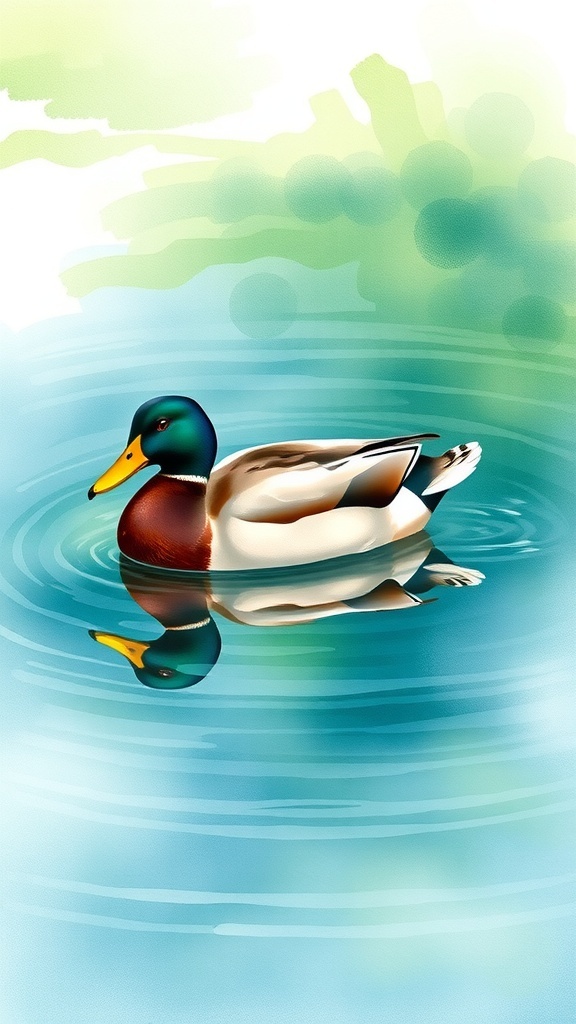
This painting guide covers the materials needed, techniques for layering colors, and tips for achieving realistic textures. It includes step-by-step instructions to help you paint a duck effectively.
Ingredients
Related
- Duck Watercolor Painting Guide
- Easy Lobster Watercolor Painting Tutorial
- Artistic Bread Watercolor Painting
- Duck Painting Techniques for Beginners