This guide covers essential techniques for painting ducks, whether you’re a novice or looking to refine your skills. You’ll learn about color mixing, brushwork, and composition to create realistic and vibrant duck paintings.
The techniques outlined here are straightforward and can be applied using various mediums, including acrylics, watercolors, or oils.
Understanding Duck Features
When painting ducks, it’s essential to observe their unique characteristics.
Each species has distinct colors and feather patterns that contribute to their overall appearance.
Take time to study reference images that showcase these details, as they will guide your painting process.
Pay attention to the shape of the duck’s body, the curvature of its neck, and the positioning of its wings.
These elements will help create a more realistic representation in your artwork.
Choosing Your Colors
The vibrancy of your painting largely depends on the colors you select.
Ducks often display a range of hues, from deep greens to bright yellows and rich browns.
Mixing colors on your palette allows you to achieve the exact shades needed for your painting.
Start with a base color that represents the duck’s primary feathers, then gradually add highlights and shadows to create depth.
Experimenting with different color combinations can lead to stunning results.
Brush Techniques for Detail
Brushwork plays a significant role in capturing the texture of duck feathers.
Using a variety of brush sizes will help you achieve different effects, from broad strokes for the body to fine lines for detailing.
For feather textures, consider using a fan brush or a liner brush to create the illusion of individual feathers.
Layering your paint will enhance the realism, allowing you to build up the details gradually.
Creating a Tranquil Background
The background of your painting can greatly influence the overall mood.
Incorporating soft reflections in the water and lush greenery will create a serene atmosphere.
Use lighter colors and softer brush strokes to depict the calm pond and surrounding foliage.
Consider the placement of the duck within the scene to ensure it stands out while still harmonizing with the background.
This balance is key to achieving a tranquil composition.
Final Touches and Adjustments
Once the main elements of your painting are complete, it’s time to add the final touches.
Look for areas that may need more detail or adjustments in color to enhance the overall appearance.
Adding highlights to the duck’s feathers can bring it to life, while subtle adjustments in the background can enhance the sense of depth.
Take a step back to view your painting from a distance, ensuring everything comes together cohesively.
Practice and Patience
Like any art form, painting ducks requires practice and patience.
Don’t be discouraged if your first attempts don’t meet your expectations.
Each painting is an opportunity to learn and improve your skills.
Set aside time to paint regularly, and experiment with different techniques and styles.
With dedication, you’ll find your unique approach to capturing the beauty of ducks on canvas.
Essential Duck Painting Techniques
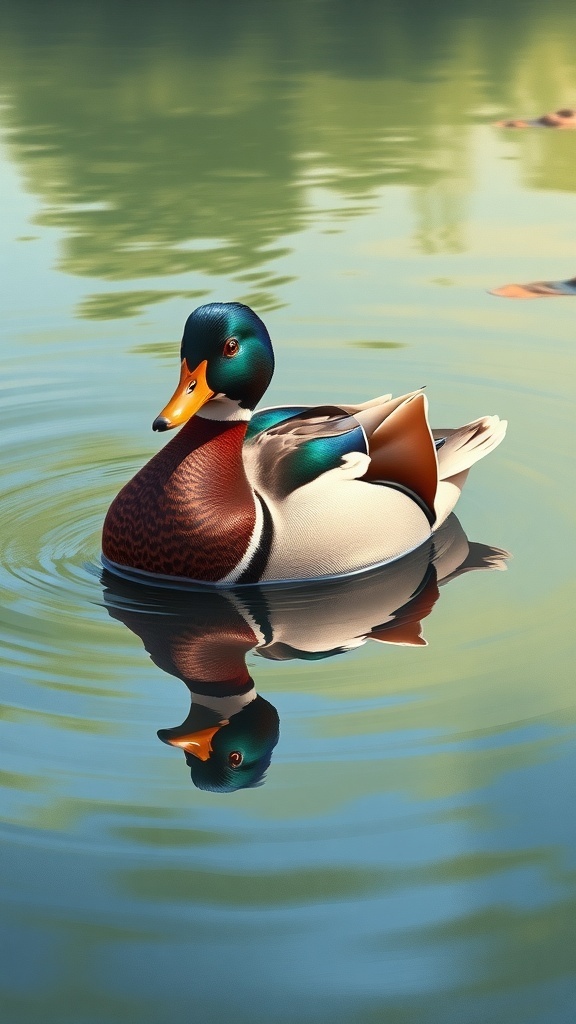
This article provides step-by-step instructions on how to paint ducks, focusing on capturing their unique features and colors. The process includes selecting reference images, preparing your canvas, and layering colors for depth and realism.
Ingredients
Related
- Duck Oil Painting Techniques
- Vibrant Easter Egg Painting Techniques
- Food Illustration Techniques for Beginners
- Duck Animation Techniques