Nuclear missiles are the most powerful weapons of destruction that humans have ever created. These missiles can travel vast distances and are capable of devastating entire cities and regions. The range of a nuclear missile depends on several factors, such as its propulsion system, its size, and its payload. In this article, we will explore how far nuclear missiles can travel and the factors that influence their range.
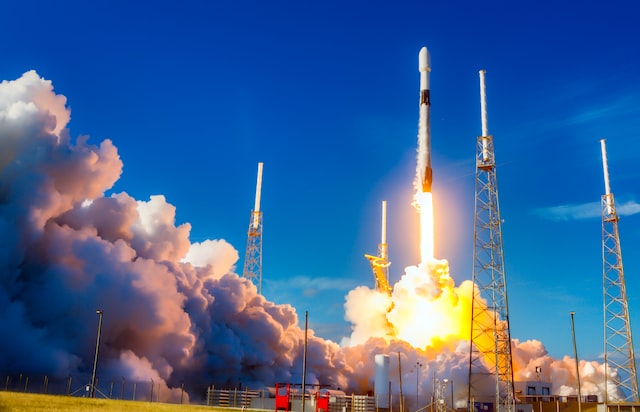
The range of nuclear missiles can be divided into two categories: intercontinental ballistic missiles (ICBMs) and shorter-range missiles. ICBMs are designed to travel long distances and are used for strategic purposes, such as deterrence or attack. Shorter-range missiles, on the other hand, are designed for tactical purposes, such as battlefield use or regional conflicts.
Intercontinental ballistic missiles (ICBMs)
ICBMs are the most powerful missiles in the world, capable of traveling thousands of kilometers to reach their targets. They are designed to deliver nuclear warheads to targets on the other side of the world in a matter of minutes. The range of ICBMs varies depending on the country that possesses them, as well as their specific design and capabilities.
The United States and Russia have the largest arsenals of ICBMs in the world. The range of their missiles varies, but they are generally capable of traveling between 8,000 and 12,000 kilometers. For example, the United States’ Minuteman III ICBM has a range of approximately 13,000 kilometers, while Russia’s RS-28 Sarmat ICBM has a range of approximately 18,000 kilometers.
Other countries that possess ICBMs include China, France, and the United Kingdom. China’s DF-41 ICBM has a reported range of approximately 15,000 kilometers, while France’s M51 missile has a reported range of approximately 10,000 kilometers. The United Kingdom’s Trident II D5 missile has a reported range of approximately 11,000 kilometers.
Shorter-range missiles
Shorter-range missiles are designed to travel shorter distances than ICBMs and are used for tactical purposes. They can be launched from land, sea, or air and are often used in regional conflicts or for battlefield purposes.
The range of shorter-range missiles varies depending on their specific design and capabilities. For example, the United States’ Tomahawk cruise missile has a range of approximately 1,600 kilometers, while Russia’s Iskander missile has a reported range of approximately 500 kilometers.
Other countries that possess shorter-range missiles include China, Iran, North Korea, and Pakistan. China’s DF-21D missile has a reported range of approximately 1,500 kilometers, while Iran’s Shahab-3 missile has a reported range of approximately 2,000 kilometers. North Korea’s Hwasong-15 missile has a reported range of approximately 13,000 kilometers, although its actual range is not known with certainty. Pakistan’s Ghaznavi missile has a reported range of approximately 290 kilometers.
Factors that influence missile range
The range of a nuclear missile depends on several factors, including its propulsion system, its size, and its payload.
Propulsion system
The propulsion system of a missile is one of the most important factors that influence its range. Missiles can be powered by liquid fuel or solid fuel, and the type of fuel used can affect their range. Solid-fueled missiles tend to have a shorter range than liquid-fueled missiles, but they can be launched more quickly and are more reliable.
Size
The size of a missile can also influence its range. Larger missiles tend to have a longer range than smaller missiles, as they can carry more fuel and a larger payload.
Payload