Las Vegas, Nevada is a city located in the southwestern United States, and is known for its casinos, resorts, and nightlife. As an important travel destination, it is essential to have a good understanding of its geography and environment, including its elevation above sea level.
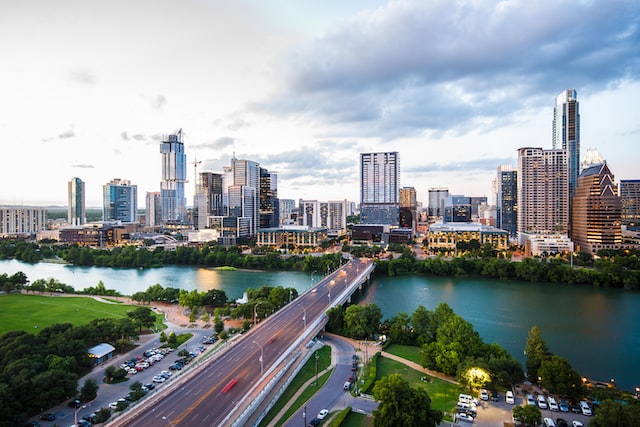
Las Vegas is located in the Mojave Desert, which is part of the Basin and Range Province of North America. The city is situated in the southern part of the state of Nevada, and is located approximately 435 miles (700 kilometers) east of Los Angeles, California, and 270 miles (435 kilometers) north of Phoenix, Arizona. The elevation of Las Vegas varies depending on the exact location within the city, but the average elevation is around 2,000 feet (610 meters) above sea level.
The elevation of Las Vegas is largely due to the fact that the city is situated within a valley surrounded by mountains. The highest mountain range in the area is the Spring Mountains, which are part of the Humboldt-Toiyabe National Forest. The tallest peak in this range is Mount Charleston, which has an elevation of 11,918 feet (3,633 meters) above sea level. This mountain range serves as a barrier to the prevailing winds, and helps to create the hot, arid climate that is characteristic of the area.
The elevation of Las Vegas has a significant impact on the climate of the city. The city has a desert climate, which means that it experiences hot summers and mild winters. The average high temperature during the summer months (June to September) is around 100 degrees Fahrenheit (38 degrees Celsius), while the average low temperature during the winter months (December to February) is around 40 degrees Fahrenheit (4 degrees Celsius). The low humidity and high temperatures during the summer months can make it challenging to spend time outdoors, so it is important to take precautions such as staying hydrated and wearing sunscreen.
The elevation of Las Vegas also has an impact on the local flora and fauna. The Mojave Desert is home to a variety of plant and animal species that are adapted to the arid environment. Common plant species in the area include creosote bush, Joshua tree, and various species of cactus. Animal species that can be found in the area include the desert tortoise, bighorn sheep, and various species of snakes and lizards. The surrounding mountains provide additional habitat for a variety of bird species.
In addition to its natural environment, the elevation of Las Vegas also has an impact on the city’s infrastructure and development. The city has grown rapidly over the past several decades, and many of the buildings and roads are built on relatively flat terrain. This has resulted in a city that is spread out and sprawling, with a high number of single-story buildings and surface-level parking lots. As a result, it can be challenging to navigate the city on foot or by bike, and many residents and visitors rely on cars for transportation.
Overall, the elevation of Las Vegas plays a significant role in shaping the environment and climate of the city. The high elevation, combined with the surrounding mountains, creates a hot, arid climate that is characteristic of the Mojave Desert. This climate has a significant impact on the local flora and fauna, and has also influenced the development and infrastructure of the city. As a result, it is important to understand the elevation of Las Vegas when planning a visit to the area, and to take appropriate precautions to stay safe and comfortable in the desert climate.