The human bite is an often-overlooked aspect of human anatomy, but it is an important one, as it is our primary means of feeding and defense. Human bites can range from relatively harmless to serious, even life-threatening, depending on various factors, including the force of the bite and the location of the bite. In this essay, we will explore the human bite in more detail, discussing its anatomy, function, and ranking among other animals.
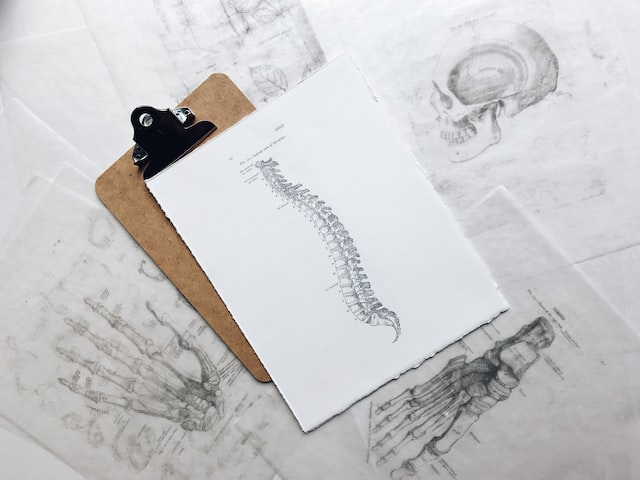
Anatomy of the Human Bite
The human bite is made possible by our teeth, which are specialized structures that are adapted for cutting, tearing, and grinding food. Humans have four different types of teeth: incisors, canines, premolars, and molars. Incisors are used for cutting and slicing food, canines are used for tearing and ripping, premolars are used for grinding, and molars are used for crushing and grinding.
The human bite is produced when the jaw muscles contract, closing the mouth and bringing the upper and lower teeth together. The force of the bite is produced by the masseter muscle, which is the strongest muscle in the human body relative to its size. The masseter muscle attaches to the jawbone and the cheekbone and is responsible for closing the jaw and producing the force necessary for biting and chewing.
Function of the Human Bite
The human bite serves a variety of functions, including feeding, communication, and defense. In terms of feeding, the human bite is used to break down food into smaller pieces that can be easily swallowed and digested. Communication through biting can include playful bites or affectionate nibbling, as well as more aggressive biting behaviors that can signal dominance or aggression.
Defense biting is a protective behavior that can be used when threatened or attacked. While biting is generally discouraged in social situations, it can be an effective form of self-defense in certain situations. For example, biting can be used to deter an attacker or to inflict damage on an opponent during a physical altercation.
Ranking of the Human Bite
The human bite is relatively weak compared to other animals. Humans have an average bite force of about 160 pounds per square inch (psi), which is much lower than many other animals, including crocodiles, which have a bite force of up to 3,700 psi. Other animals with stronger bites include sharks, lions, and hippos.
Despite its relatively weak bite force, the human bite can still be dangerous, especially if the bite is in a sensitive area or if the force of the bite is focused on a small area. For example, bites to the face, neck, or hands can be particularly serious, as they can cause damage to vital organs or nerves. In addition, human bites can transmit diseases, including hepatitis B and C and HIV, making them a serious public health concern.
Conclusion
In conclusion, the human bite is an important aspect of human anatomy, serving a variety of functions including feeding, communication, and defense. While the human bite is relatively weak compared to other animals, it can still be dangerous, especially if the bite is in a sensitive area or if the force of the bite is focused on a small area. As such, it is important to exercise caution and practice good hygiene when dealing with human bites, and to seek medical attention if a bite is serious or if there is a risk of infection.