Dogs are mammals that require regular waste elimination to maintain a healthy and functioning body. However, the duration that a dog can go without peeing or pooping varies depending on various factors such as age, size, breed, and health conditions.
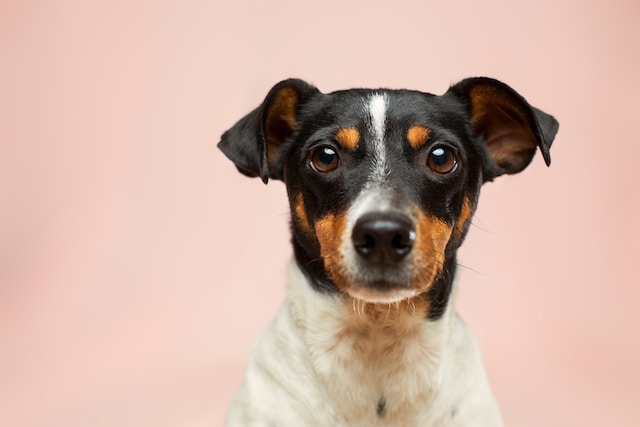
On average, a dog can hold its urine for 4-6 hours, although this duration may vary depending on its age, size, and overall health. Young puppies, for instance, may need to pee every 30-60 minutes due to their small bladder size and lack of bladder control. As they grow older and gain more control over their bladder muscles, they can hold their urine for more extended periods.
Similarly, small breed dogs may need to pee more frequently than larger breed dogs due to their smaller bladder capacity. Senior dogs may also have reduced bladder control and may need to go more frequently. However, several health conditions may affect a dog’s bladder control and cause them to have difficulty holding their urine. These conditions include urinary tract infections, bladder stones, diabetes, and kidney disease. Thus, it is essential to seek veterinary care to identify and treat the underlying condition if your dog is having difficulty holding its urine.
Regarding bowel movements, dogs typically poop one to three times a day, depending on their diet and exercise routine. However, some dogs may poop more or less frequently than this and still be healthy. Like urination, the duration that a dog can go without pooping varies depending on its age, size, and overall health.
If your dog has not pooped in a day or two, it may not be a cause for concern, as long as they are still eating and drinking normally and otherwise seem healthy. However, if your dog goes more than two days without pooping or appears to be straining or having difficulty passing stool, it is essential to seek veterinary care to identify and treat any underlying health conditions.
In some cases, dogs may intentionally hold their urine or poop for extended periods. For example, if they are afraid to go outside due to loud noises or unfamiliar surroundings, they may hold their bladder and bowels until they feel safe. Similarly, dogs may hold their urine or poop if they are in a crate or confined space and cannot access a suitable area to eliminate.
However, holding their waste for extended periods can be harmful to a dog’s health and may cause urinary tract infections, constipation, and other health issues. Therefore, it is essential to provide your dog with frequent opportunities to eliminate and ensure they have access to a suitable elimination area.
As a responsible pet owner, you should understand your dog’s elimination habits and monitor any changes in their routine. If your dog experiences difficulty eliminating waste or shows signs of discomfort or pain, seek veterinary care to identify and treat any underlying health conditions promptly. Providing your dog with frequent opportunities to eliminate and ensuring they have access to a suitable elimination area can help maintain their health and well-being.
In conclusion, the length of time a dog can go without peeing or pooping varies depending on various factors. On average, a dog can hold its urine for 4-6 hours, while bowel movements occur one to three times a day. Understanding your dog’s elimination habits and monitoring any changes in their routine can help you identify any underlying health conditions early. Providing your dog with frequent opportunities to eliminate and ensuring they have access to a suitable elimination area can help maintain their health and well-being. As a responsible pet owner, seek veterinary care promptly if your dog experiences any difficulty eliminating waste or shows signs of discomfort or pain.