Lice are small parasitic insects that can infest human hair and cause itching and discomfort. They can be transmitted through close contact with someone who has lice, sharing personal items like combs and brushes, or even through contact with infested furniture or bedding. If you suspect that you or someone you know has lice, it is important to take immediate action to prevent the infestation from spreading.
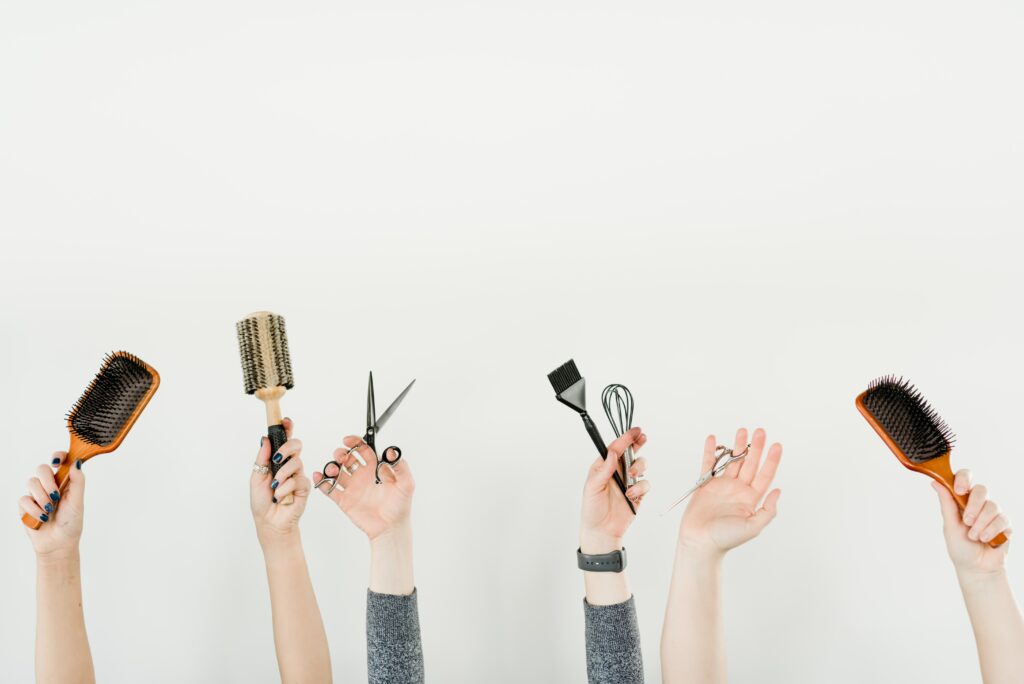
One common question that people have is how long lice can live in a hairbrush. The answer to this question depends on a few different factors, including the temperature and humidity of the environment, the number of lice that are present, and the type of hairbrush being used.
In general, lice can survive for up to 24 hours without a human host. This means that if a louse falls off of someone’s head and lands on a hairbrush, it could potentially survive for up to a day if it is not removed or killed. However, it is important to note that lice cannot reproduce without a human host, so any lice that are present in a hairbrush will not be able to lay eggs and create a new infestation.
That being said, it is still important to take steps to remove lice from a hairbrush in order to prevent them from spreading to other people or from re-infesting the same person. Here are some tips on how to clean a hairbrush that has been used by someone with lice:
- Remove any visible lice or nits (lice eggs) from the hairbrush using a fine-toothed comb. Be sure to do this over a sink or other easy-to-clean surface, as the lice and nits may fall off of the hairbrush.
- Soak the hairbrush in hot water for at least 10 minutes. This will help to kill any remaining lice or nits that are present on the hairbrush.
- If desired, add a small amount of dish soap or shampoo to the hot water to help break down any oils or other substances that may be present on the hairbrush.
- Rinse the hairbrush thoroughly in hot water and then allow it to air dry completely before using it again.
It is also a good idea to avoid sharing hairbrushes, combs, or other personal items with other people, especially if someone in your household has lice. If you do need to share these items, be sure to clean them thoroughly between uses to prevent the spread of lice.