The mileage range of a Tesla depends on several factors, including the model of the car, the size of the battery pack, driving habits, and weather conditions. Tesla cars are known for their electric powertrains and long-range capabilities, which make them an attractive option for drivers looking to reduce their carbon footprint and save on fuel costs. In this article, we will explore how many miles a Tesla can last on a single charge, as well as other factors that affect its range.
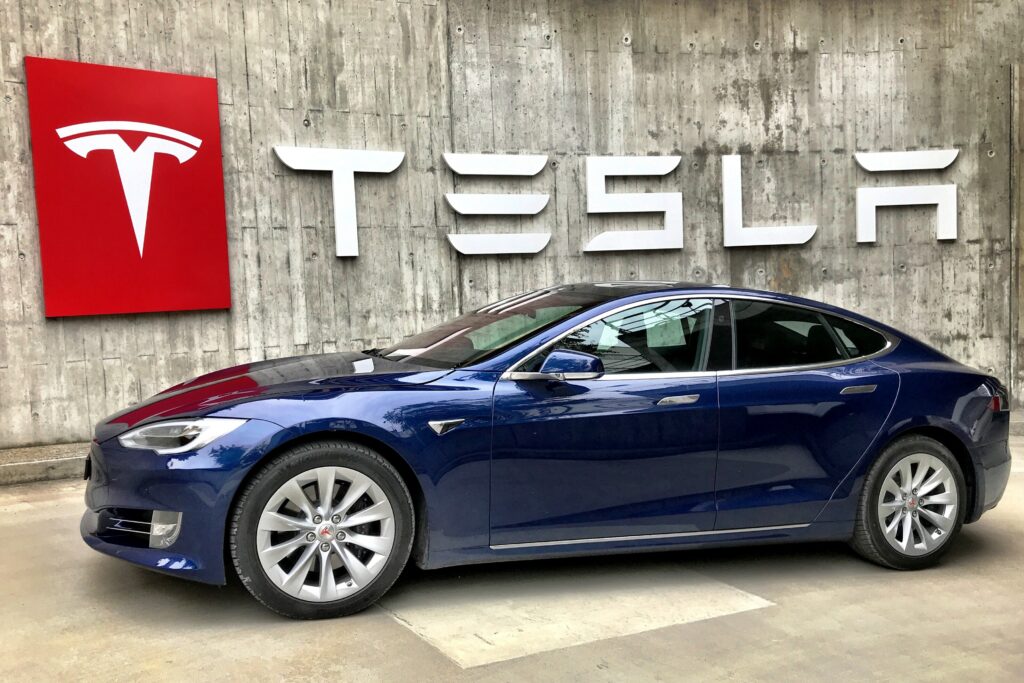
Tesla Models and Range
There are currently four models of Tesla cars on the market: the Model S, Model X, Model 3, and Model Y. Each model has a different range, depending on the size of its battery pack and other factors. Here is an overview of the range for each model:
- Model S: The Model S has a range of up to 405 miles on a single charge, according to the Environmental Protection Agency (EPA). This is the longest range of any Tesla model.
- Model X: The Model X has a range of up to 371 miles on a single charge, according to the EPA. This is slightly less than the Model S, but still an impressive range for an electric vehicle.
- Model 3: The Model 3 has a range of up to 358 miles on a single charge, according to the EPA. This is the most affordable Tesla model, but still has a longer range than most other electric cars on the market.
- Model Y: The Model Y has a range of up to 326 miles on a single charge, according to the EPA. This is slightly less than the Model 3, but still a respectable range for a mid-sized SUV.
Factors Affecting Range
The range of a Tesla can be affected by several factors, including driving habits, weather conditions, and battery age. Here are some of the key factors that can affect range:
- Driving habits: The way you drive your Tesla can have a big impact on its range. Driving at high speeds, accelerating quickly, and braking hard can all use up more energy and reduce your range. On the other hand, driving at a steady speed, using regenerative braking, and planning your route to avoid traffic can all help you maximize your range.
- Weather conditions: Cold weather can have a significant impact on the range of a Tesla, as it requires more energy to heat the cabin and the battery. In extreme temperatures, such as very hot or very cold weather, the range can be reduced by up to 40%. Driving in heavy rain or snow can also reduce your range, as it can make the roads slick and force you to use more energy to maintain control of the vehicle.
- Battery age: Over time, the battery in your Tesla will lose some of its capacity, which can reduce its range. The rate at which this happens depends on several factors, including how often you charge and discharge the battery, the temperature at which you store the car, and the number of charging cycles the battery has gone through.
Tips for Maximizing Range
If you want to get the most out of your Tesla’s range, there are several tips and tricks you can use. Here are some of the most effective ones:
- Use regenerative braking: Tesla cars have regenerative braking, which means they can capture some of the energy that is normally lost during braking and use it to recharge the battery. This can help you extend your range and save on charging costs.
- Use cruise control: Using cruise control can help you maintain a steady speed and avoid sudden acceleration or braking, which can use up more energy.
- Plan your route: If you’re going on a long trip, plan your route in advance to avoid traffic, hills, and other obstacles that can reduce your range.