Using rice as a remedy for water-damaged phones is a widely known technique. The concept is to remove moisture from the phone through rice, thereby shielding the internal components. However, the efficiency of this method is influenced by factors such as the degree of water damage, the type of rice employed, and the time spent in the rice.
The time required for the phone to be left in the rice relies on the degree of water damage. In the event of minor water exposure, such as a few droplets, leaving the phone in rice for a few hours might suffice to absorb the moisture and prevent any internal component harm. On the other hand, if the phone has been submerged or exposed to moisture for an extended period, it may necessitate leaving it in rice for several days to ensure complete drying.
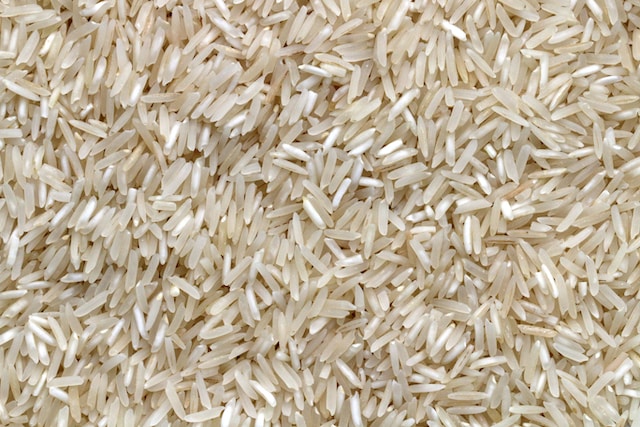
The effectiveness of the rice technique may also be influenced by the type of rice used. Some types of rice may be more adept at absorbing moisture than others. Long-grain rice, for instance, may be better than short-grain rice at moisture absorption. Furthermore, certain rice varieties may contain more starch, which may have a negative impact on the internal components.
It’s important to note that relying on rice alone is not a guaranteed fix for a water-damaged phone. In some situations, the damage may be severe, and the rice technique may not be enough to restore the phone. Additionally, even if the phone seems to be operational after the rice treatment, there may still be long-term internal component damage that could manifest itself in the future.
If your phone is exposed to water or moisture, it’s essential to take immediate action to prevent damage to the internal components. This may include switching off the phone, removing the battery (if possible), and drying the phone with a soft cloth or towel. In the event of water submersion, it’s critical to refrain from turning on the phone or plugging it in, as this could worsen internal component damage.
Aside from rice, other methods can be used to attempt to restore a water-damaged phone. These include using desiccants like silica gel to absorb moisture or using a hairdryer on low heat to dry the phone. However, caution must be taken when using these methods, as improper use can cause further damage to the internal components.
To sum up, the rice technique’s effectiveness in restoring water-damaged phones varies depending on a range of factors. The amount of time necessary for this approach to work is influenced by the level of water damage and the type of rice employed. Furthermore, using rice as the sole solution for a water-damaged phone is not a guaranteed method, and there could be long-term internal component damage. If your phone is exposed to water or moisture, take immediate action to prevent damage to the internal components and seek professional assistance if necessary.