Performing a pregnancy test is an important step for anyone who suspects that they may be pregnant. However, there are a few things that should be taken into consideration before taking a pregnancy test in order to ensure the most accurate results possible. In this essay, we will discuss what actions should be avoided prior to taking a pregnancy test.
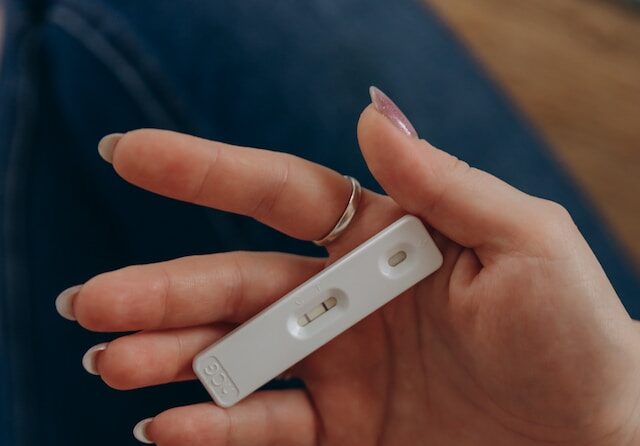
Firstly, it is important to limit fluid intake before taking the test, as too much liquid can dilute the hormone levels in your urine, making it more challenging for the test to detect pregnancy hormones. It is recommended to restrict fluid intake for at least two hours before taking the test.
Secondly, taking a pregnancy test too early can result in a false negative result. Pregnancy tests function by detecting the presence of the hormone human chorionic gonadotropin (hCG) in your urine. However, it takes time for hCG to build up in your body after conception. For the most accurate results, it is best to wait until the first day of your missed period to take a pregnancy test.
Thirdly, it is best to take a pregnancy test first thing in the morning when the hormone levels are most concentrated. Pregnancy hormone levels are typically at their highest in the morning. Taking the test later in the day may result in a weaker concentration of hCG in the urine, which may lead to a false negative result.
Fourthly, using an expired pregnancy test can lead to inaccurate results. Before taking a pregnancy test, it is important to verify the expiration date on the packaging.
Fifthly, certain medications, such as fertility drugs or medications that contain hCG, can affect the results of a pregnancy test. If you are taking any medications, it is important to consult with a healthcare provider before taking a pregnancy test.
Sixthly, it is important to store pregnancy tests in a dry, cool place and to avoid exposing them to moisture before use. Moisture can damage a pregnancy test, leading to inaccurate results.
Lastly, if you receive a negative result, it is possible that the test was taken too early or that the hormone levels were not concentrated enough in the urine. It is recommended to wait a few days and take another test or to consult with a healthcare provider for further testing.
In summary, taking a pregnancy test requires a few considerations to ensure the most accurate results. It is best to limit fluid intake, take the test at the right time, use an unexpired test, avoid medications that can affect the results, store the test properly, and understand that a negative result may not be definitive. Following these guidelines can increase the chances of obtaining accurate results from a pregnancy test.