A smiley piercing, also known as an upper lip frenulum piercing, is a type of oral piercing that involves a thin piece of tissue that connects the upper lip to the gums. The piercing is generally done with a small gauge needle and a curved barbell or captive bead ring. The lifespan of a smiley piercing can vary depending on a number of factors, including the individual’s anatomy, aftercare practices, and lifestyle habits. In this article, we will explore the factors that can affect the lifespan of a smiley piercing, as well as some tips for prolonging its longevity.
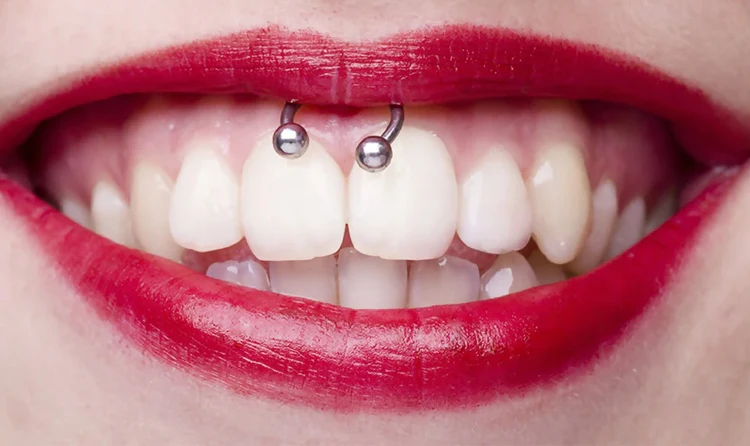
One of the primary factors that can influence the lifespan of a smiley piercing is the individual’s anatomy. Every person’s body is unique, and some people may have a thicker or thinner frenulum than others. Thicker frenulums may be more resilient to piercing and may last longer than thinner ones. Similarly, the position of the frenulum can also affect the piercing’s lifespan. A frenulum that is located closer to the lip may experience more friction and movement than one that is further back, which could result in more wear and tear on the piercing.
Another key factor that can affect the lifespan of a smiley piercing is the aftercare practices of the individual. Proper aftercare is essential for the healing process and can help to prevent infections, reduce swelling, and minimize pain. It is important to follow the aftercare instructions provided by the piercer carefully and to maintain good oral hygiene throughout the healing process. This may include rinsing with saline solution or an alcohol-free mouthwash, avoiding certain foods and beverages, and refraining from smoking or using other tobacco products.
Lifestyle habits can also play a role in the lifespan of a smiley piercing. Certain activities, such as playing contact sports or engaging in rough physical activity, can increase the risk of damage to the piercing. Similarly, habits such as biting or playing with the jewelry, or wearing tight clothing or jewelry that puts pressure on the piercing, can also increase the risk of damage. It is important to be mindful of these factors and to take steps to protect the piercing as much as possible.
One of the most important factors in prolonging the lifespan of a smiley piercing is choosing the right jewelry. The jewelry used in a smiley piercing should be made from high-quality materials that are hypoallergenic and non-reactive, such as surgical-grade stainless steel, titanium, or niobium. Jewelry that is too small or too large for the piercing can cause discomfort or damage, so it is important to select the appropriate size and style for the individual’s anatomy. Additionally, jewelry that is too heavy or cumbersome can put excessive strain on the piercing and increase the risk of migration or rejection.
With proper care and attention, a smiley piercing can last for several years or even longer. However, there are some risks and potential complications associated with oral piercings that can shorten the lifespan of the piercing. These can include infections, swelling, bleeding, scarring, and migration or rejection of the jewelry. It is important to be aware of these risks and to take steps to minimize them as much as possible.
In summary, the lifespan of a smiley piercing can vary depending on a number of factors, including the individual’s anatomy, aftercare practices, and lifestyle habits. Proper aftercare, choosing the right jewelry, and being mindful of potential risks and complications can all help to prolong the lifespan of the piercing. If you are considering a smiley piercing, it is important to do your research and to find an experienced and reputable piercer who can guide you through the process and provide you with the necessary information and resources to care for your piercing properly.