Acid reflux, also known as gastroesophageal reflux disease (GERD), is a common condition that affects millions of people worldwide. It occurs when stomach acid flows back up into the esophagus, causing discomfort and pain. Many people wonder if certain foods, like peanut butter, can trigger or alleviate acid reflux symptoms. In this article, we will explore whether peanut butter is good for acid reflux and discuss some other tips for managing this condition.
Firstly, it’s important to understand that acid reflux is a complex condition that can have many different triggers. Some people may experience symptoms after eating spicy or acidic foods, while others may find that certain beverages like coffee or alcohol worsen their symptoms. There is no one-size-fits-all approach to managing acid reflux, and what works for one person may not work for another.
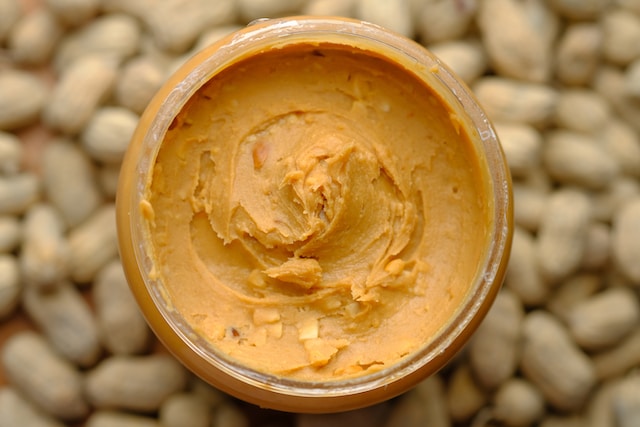
In general, peanut butter is considered to be a relatively safe food for people with acid reflux. While it is high in fat, which can be a trigger for some people, it is also high in protein and fiber, which can help to keep you feeling full and satisfied. Additionally, peanut butter is not particularly acidic, which means it is less likely to cause irritation or inflammation in the esophagus.
However, it’s worth noting that some people may still experience symptoms after eating peanut butter, particularly if they eat large amounts or if they are particularly sensitive to high-fat foods. In these cases, it may be helpful to limit your intake of peanut butter or try alternative nut butters, such as almond or cashew butter, which may be easier to digest.
In addition to managing your diet, there are several other lifestyle changes you can make to help manage your acid reflux symptoms. These may include:
- Eating smaller, more frequent meals throughout the day, rather than three large meals
- Avoiding lying down for at least two hours after eating
- Elevating the head of your bed by a few inches to prevent stomach acid from flowing back up into the esophagus
- Avoiding tight-fitting clothing or belts that put pressure on the abdomen
- Quitting smoking, as this can exacerbate acid reflux symptoms
In some cases, your doctor may also recommend medications to help manage your acid reflux symptoms. These may include over-the-counter antacids, which can help neutralize stomach acid, or prescription medications like proton pump inhibitors or H2 blockers, which can reduce the amount of acid produced by the stomach.
In summary, while peanut butter is generally considered to be a safe food for people with acid reflux, it may not work for everyone. If you find that you experience symptoms after eating peanut butter, it may be helpful to limit your intake or try alternative nut butters. Additionally, making lifestyle changes such as eating smaller, more frequent meals and avoiding lying down after eating can also help manage your acid reflux symptoms. If your symptoms persist or worsen, it is important to consult with your healthcare provider to determine the best course of treatment for your individual needs.