The axolotl, a unique and fascinating species of amphibian native to the freshwater canals and lakes of Mexico City, is facing a serious threat of extinction. Over the past few decades, their population has declined by up to 90% due to habitat destruction, pollution, and the introduction of non-native species. In addition, the demand for axolotls as pets and for scientific research has also contributed to their decline.
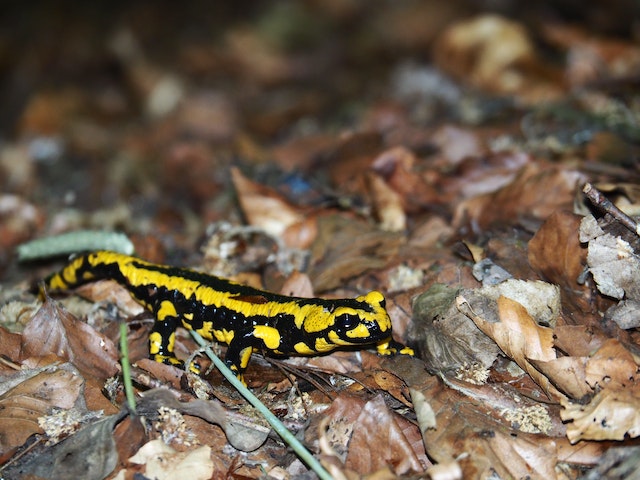
One of the biggest threats to axolotls is the destruction of their natural habitat. Urbanization and development have caused large areas of wetland habitats to be destroyed, making it difficult for axolotls to survive. Additionally, water drainage for agricultural purposes has further reduced the available habitat for axolotls.
Pollution is another major factor contributing to the decline of axolotls. The waterways where axolotls live have been contaminated with pollutants, including sewage, agricultural runoff, and industrial waste. These pollutants make the water unsuitable for the survival of the axolotls. Toxic chemicals and heavy metals present in the water can also cause deformities and health problems in axolotls.
The introduction of non-native species is also a major threat to axolotls. Tilapia fish, introduced for aquaculture purposes, compete with axolotls for food and can even prey on juvenile axolotls. The excretion of waste by tilapia can also contribute to water pollution in the areas where axolotls live.
The demand for axolotls as pets and for scientific research has also contributed to their decline. Their unique appearance and easy care make them popular pets. However, the capture and trade of wild axolotls for the pet trade has had a significant impact on their populations. The use of wild axolotls for scientific research has also contributed to their decline.
Several organizations and governments are working towards the conservation of axolotl populations. Captive breeding programs have been established to breed axolotls in captivity and release them into the wild to increase wild populations. The Mexican government has designated several areas of wetland habitat as protected areas to limit development and human activity in these areas.
In conclusion, the axolotl population is facing a serious threat of extinction due to habitat destruction, pollution, and the introduction of non-native species. Conservation efforts such as captive breeding programs and the protection of wetland habitats are crucial to the survival of this unique and fascinating species of amphibians.