There are 100 cents in a dollar. This is a basic concept of the United States currency system, where the dollar is the primary unit of currency and the cent is its subunit.
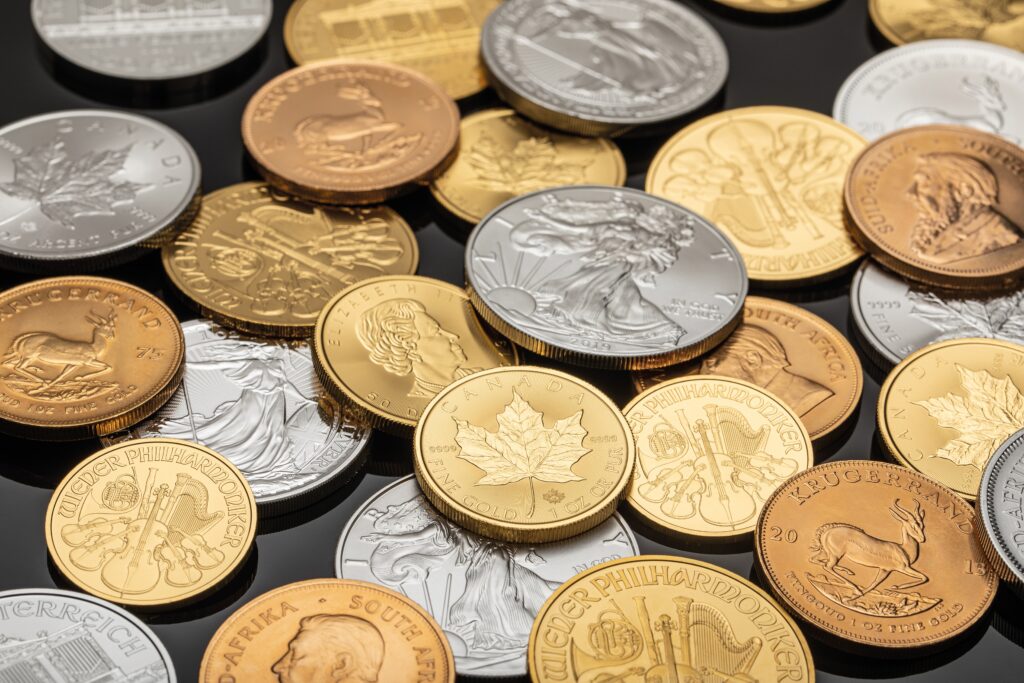
The decimal-based U.S. currency system is designed around the idea that 100 cents make up one dollar. This means that any amount of money can be expressed in dollars and cents, with cents being a fraction of a dollar.
For example, $1.00 is equivalent to 100 cents. Similarly, $5.00 is equivalent to 500 cents, and $10.00 is equivalent to 1,000 cents.
It is worth noting that while the United States is perhaps the most well-known country to use cents as a subunit of currency, it is not the only one. Many other countries, including Canada, Australia, and New Zealand, also use cents as a subunit of their currency.
In the case of Canada, for example, there are also 100 cents in a Canadian dollar. The Canadian dollar is abbreviated as CAD, while the cent is abbreviated as “¢” or “c.”
Similarly, in Australia, there are 100 cents in an Australian dollar. The Australian dollar is abbreviated as AUD, while the cent is abbreviated as “c.”
In New Zealand, the currency is the New Zealand dollar, and there are also 100 cents in a dollar. The New Zealand dollar is abbreviated as NZD, while the cent is abbreviated as “c.”
In conclusion, there are 100 cents in a dollar in the United States currency system, as well as in many other countries around the world. This allows for easy conversion between dollars and cents, and makes it simple to express any amount of money in terms of both the primary unit of currency (dollars) and its subunit (cents).