Air travel is a popular mode of transportation for long-distance travel, and is generally considered to be safe. However, accidents can happen, and in this article, we will explore the frequency of accidents, the reasons behind them, and the measures that are taken to prevent them.
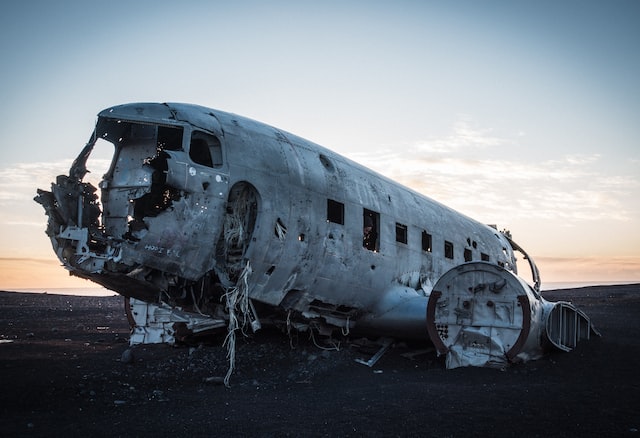
The number of air accidents that occur annually varies depending on the source of the information and how the term “air accident” is defined. According to Aviation Safety Network data, 40 accidents involving large commercial passenger planes occurred in 2020, resulting in 299 fatalities. This is a significant reduction from previous years, which may be partly attributed to the COVID-19 pandemic and reduced air travel.
It is important to note, however, that the number of accidents is relatively small compared to the number of flights that take place each day. The International Air Transport Association (IATA) reported that there were approximately 22,000 commercial flights daily in 2019. This means that the probability of being involved in an air accident is low.
Air accidents can be caused by a variety of factors, but they are frequently the result of a combination of factors. Pilot error, mechanical failure, and weather conditions are among the most common causes. Human factors such as fatigue or stress can also contribute to accidents. There has been a recent emphasis on addressing these factors and enhancing safety measures to prevent accidents.
Advanced technology is an important measure implemented to prevent air accidents. Many modern aircraft have complex computer systems that can detect and fix possible mechanical issues before they become severe. Pilots are trained to use this technology to its full potential and work with air traffic control to ensure safe and efficient flights.
Strict safety regulations and standards are also implemented to prevent air accidents. The International Civil Aviation Organization (ICAO) establishes these standards and collaborates with member states to ensure that they are effectively implemented. These regulations include pilot training, aircraft maintenance and inspection, and air traffic control procedures.
Furthermore, there are numerous organizations dedicated to monitoring and improving air safety. The Aviation Safety Network, for example, keeps track of all aviation accidents and incidents, and provides analysis and suggestions to enhance safety. The Flight Safety Foundation is another organization that focuses on improving air safety through research, education, and advocacy.
While the number of air accidents each year is small, their impact can be significant. The loss of loved ones can devastate families and communities, and a significant accident’s economic consequences can be substantial. As a result, there is a continuous effort to improve air safety, and to ensure that the measures in place are effective.
In conclusion, while air accidents can occur, they are relatively infrequent compared to the number of daily flights. Air accidents may be caused by a variety of factors, and measures are implemented to prevent them. These measures include advanced technology, strict safety regulations and standards, and the work of organizations dedicated to enhancing air safety. Although the aviation industry has made significant strides in improving safety over the years, there is always room for improvement, and this will continue to be a focus in the future.