The average tax return for a single person varies based on several factors such as income level, deductions, and credits. However, according to the Internal Revenue Service (IRS) data, the average tax refund for individual taxpayers was $2,851 in 2020, down slightly from $2,869 in 2019.
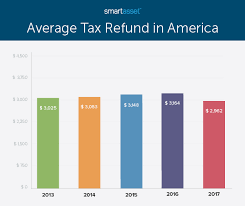
The amount of tax refund a single person can receive is affected by several factors, including their filing status, income level, and the tax deductions and credits they claim. Generally, single individuals with lower income levels tend to receive a larger tax refund, as they may be eligible for certain credits and deductions that can reduce their tax liability. On the other hand, higher-income single individuals may not be eligible for certain credits and deductions, resulting in a lower tax refund.
One of the most significant factors affecting the tax refund of a single person is their filing status. Single individuals who do not have any dependents and are not married may file as a single taxpayer. The standard deduction for single taxpayers is $12,550 in 2021, which means that taxpayers can reduce their taxable income by this amount without having to itemize their deductions. Itemizing deductions may be beneficial for single taxpayers with higher amounts of mortgage interest, charitable donations, and other qualifying expenses.
Another factor that affects the tax refund of a single person is their income level. Higher-income taxpayers may not be eligible for certain tax credits, such as the Earned Income Tax Credit (EITC), which is designed to assist low to moderate-income individuals and families. The EITC is a refundable credit, which means that if the credit exceeds the amount of tax owed, the taxpayer will receive a refund for the difference.
In addition to the EITC, there are several other tax credits that single individuals may be eligible for, such as the Child Tax Credit (CTC) and the American Opportunity Tax Credit (AOTC). The CTC provides a credit of up to $2,000 per qualifying child under the age of 17, and the AOTC provides a credit of up to $2,500 per year for eligible education expenses. Both of these credits are subject to income limitations and other eligibility requirements.
The tax refund for a single person can also be affected by tax deductions. Deductions reduce the amount of income that is subject to tax and can include expenses such as mortgage interest, state and local taxes, and charitable donations. Taxpayers can choose to either itemize their deductions or take the standard deduction. Itemizing deductions may be beneficial for single taxpayers who have higher amounts of qualifying expenses.
Finally, it’s worth noting that while receiving a large tax refund may seem like a positive outcome, it’s not always the most advantageous situation. A large refund means that the taxpayer has been overpaying their taxes throughout the year, effectively giving the government an interest-free loan. On the other hand, a smaller refund or owing a small amount of tax at the end of the year means that the taxpayer has been paying closer to their actual tax liability, and may have more control over their cash flow throughout the year.
In conclusion, the average tax refund for a single person can vary widely depending on several factors, such as income level, filing status, and tax credits and deductions. While the average tax refund for individual taxpayers was $2,851 in 2020, the amount that any given single person receives will depend on their individual circumstances. Taxpayers should work with a qualified tax professional or use tax software to ensure that they are taking advantage of all available credits and deductions and optimizing their tax situation to minimize their tax liability throughout the year.