The concept of AD (Anno Domini) and BC (Before Christ) was not used in the year 0. In fact, there is no year 0 in the AD/BC system. The system starts with the year 1 BC, which is followed immediately by the year 1 AD. The transition from BC to AD occurred at the time of Jesus Christ’s birth, and the numbering of years was done retrospectively by the monk Dionysius Exiguus in the 6th century.
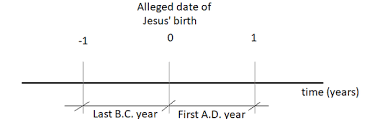
The year 0 is a concept used in the astronomical and scientific community to represent the year that comes after 1 BC and before 1 AD. This year is also known as 1 BCE (Before Common Era) or 1 CE (Common Era). The use of BCE and CE is becoming increasingly popular in academic and scientific circles as a secular alternative to BC and AD, which have Christian religious connotations.
It is important to note that the use of the AD/BC or BCE/CE system is a matter of convention and culture. There are other calendar systems used in different parts of the world that have their own starting points and numbering of years. For example, the Islamic calendar starts from the year of the Prophet Muhammad’s migration to Medina in 622 CE, and the Chinese calendar has a cyclical system based on a combination of lunar and solar cycles.
In conclusion, there is no year 0 in the AD/BC system, and the concept of AD and BC was not used in the year 0. The use of BCE/CE as a secular alternative to BC/AD is becoming increasingly popular, but the choice of calendar system and the numbering of years is a matter of convention and culture.