Titanic, which sank in 1912, have no intrinsic monetary value, as they are considered a historic site and are protected by international maritime law. The Titanic is a famous maritime disaster that occurred during its maiden voyage, and the wreckage is widely recognized as a significant cultural and historical artifact.
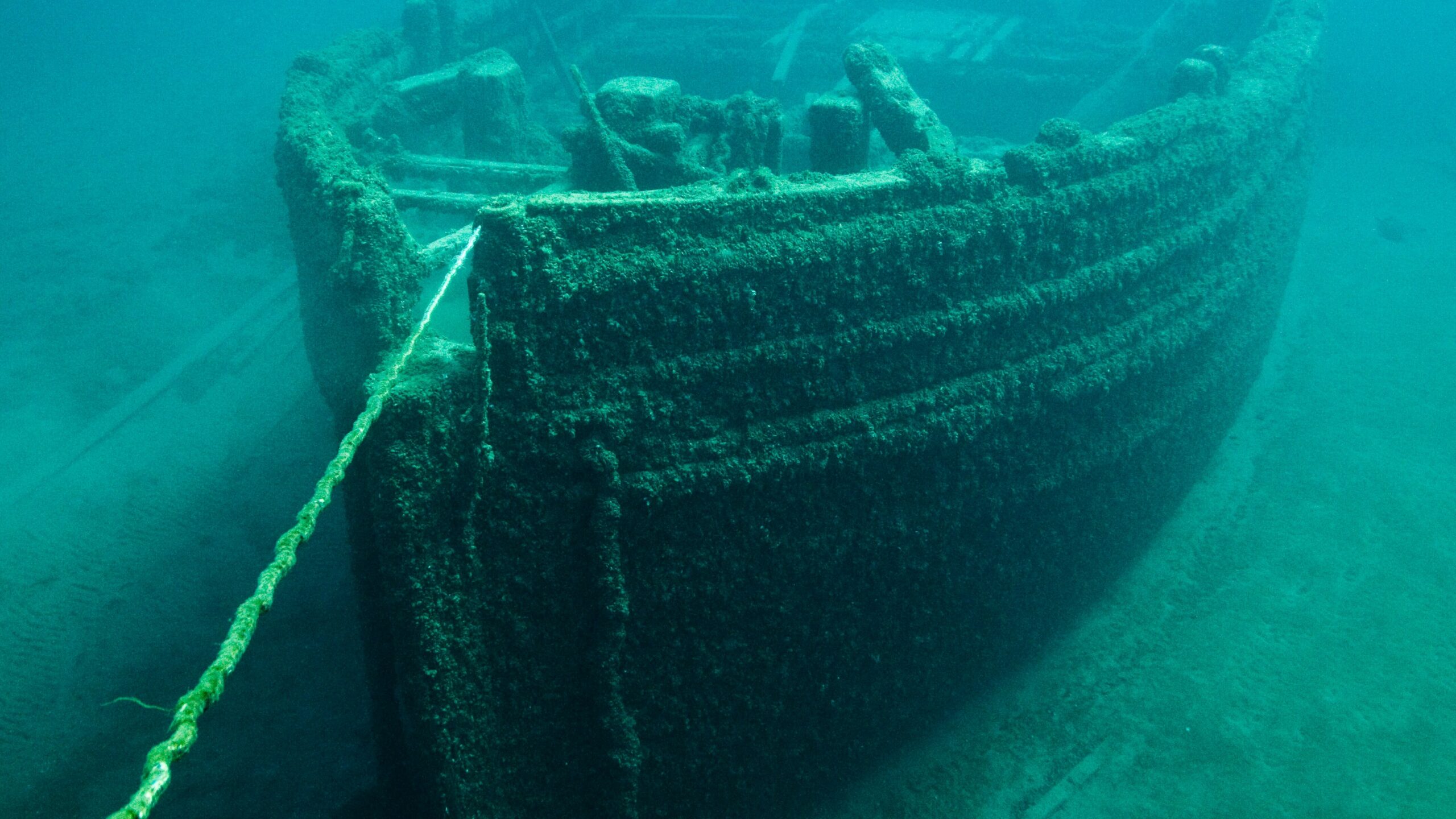
The Titanic rests at a depth of approximately 12,000 feet (3,650 meters) in the North Atlantic Ocean, and its remains are spread over a vast area. The wreckage was discovered in 1985 by a team led by Dr. Robert Ballard, and numerous expeditions have been conducted since then to study and document the site. The remains of the Titanic are considered a grave site, and there are strict regulations in place to protect the wreck and its artifacts.
While the remains of the Titanic may not have a monetary value in the traditional sense, they hold immense historical, cultural, and emotional significance. The Titanic represents a tragic event in human history that resulted in the loss of over 1,500 lives, and its story continues to captivate people’s imaginations even over a century later. The wreckage serves as a tangible reminder of the ship’s grandeur, the stories of the passengers and crew, and the lessons learned from the disaster.
Over the years, there have been various discussions and debates about the ethical and legal aspects of the Titanic’s remains. Some individuals and organizations have expressed interest in salvaging artifacts from the wreckage, while others argue for the preservation of the site as a memorial and a cautionary tale. In 1987, the International Agreement on the RMS Titanic was signed by the United States, Canada, France, and the United Kingdom, establishing a legal framework for the protection of the wreck and its artifacts.
In recent years, there have been some controversial attempts to salvage artifacts from the Titanic, which have raised ethical and legal concerns. For example, in 2019, a private company was granted permission by a U.S. federal court to retrieve the ship’s wireless telegraph machine, despite objections from the National Oceanic and Atmospheric Administration (NOAA) and other entities advocating for the preservation of the site. However, such salvage efforts have been met with criticism and controversy, with concerns about the disturbance of the wreck site, potential damage to the remains, and the commercialization of a tragic event.
It’s important to note that any attempt to assign a monetary value to the Titanic remains would be highly subjective and speculative. The artifacts recovered from the wreckage, including personal belongings of the passengers and crew, ship parts, and other items, have been sold at auction houses and private sales for significant sums of money. For example, in 2018, a Titanic survivor’s letter sold for $166,000, and a violin believed to have been played by one of the musicians on the ship was sold for $1.7 million in 2013. However, the monetary value of these artifacts is not inherent to the wreckage itself, but rather reflects their historical significance, rarity, and demand among collectors and enthusiasts.
In conclusion, the remains of the Titanic are considered a historic site and are protected by international maritime law. While the wreckage and artifacts recovered from the Titanic may hold significant historical and cultural value, they do not have an intrinsic monetary value. Attempts to assign a monetary value to the Titanic remains would be subjective and speculative, and any salvage efforts or commercialization of the site are subject to ethical and legal concerns. The Titanic remains a solemn reminder of a tragic event in human history, and its preservation as a memorial and cautionary tale is of utmost importance.