The decision of whether or not it is a good time to sell gold in 2023 depends on various factors, including the current market conditions, global economic trends, geopolitical events, and individual financial goals and circumstances. It’s important to conduct thorough research and seek advice from qualified financial professionals before making any investment or selling decisions.
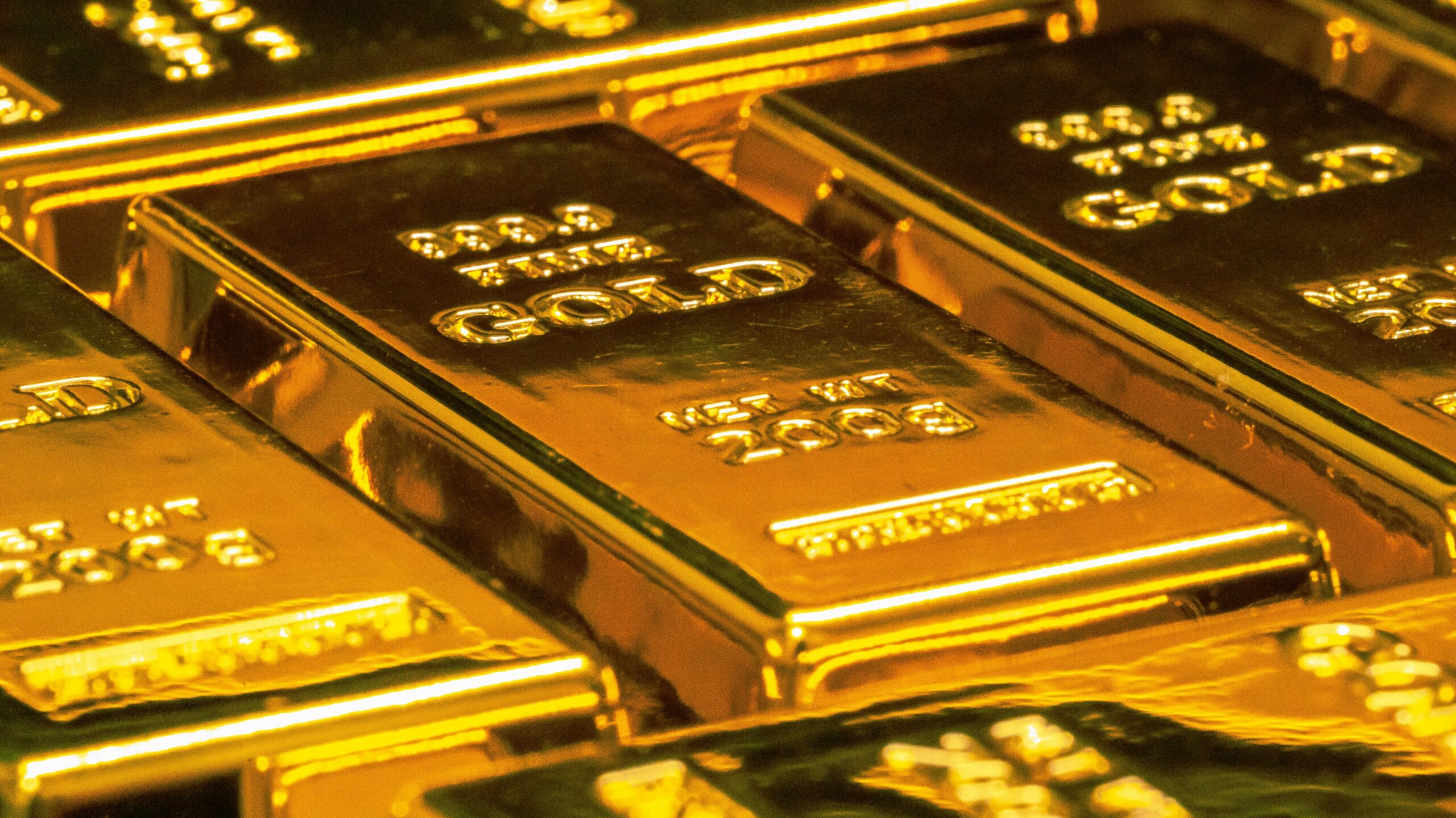
That being said, here are some general considerations that may be relevant when evaluating the potential timing of selling gold in 2023:
- Market conditions: Gold prices can be influenced by various market factors, such as supply and demand dynamics, inflation, interest rates, and currency fluctuations. Monitoring the current market conditions and trends is crucial in determining whether it may be a favorable time to sell gold. For example, if gold prices are trending upward due to increased demand, supply constraints, or economic uncertainties, it may indicate a potentially favorable time to sell gold. Conversely, if gold prices are declining due to decreased demand or a stable economic environment, it may not be an optimal time to sell gold.
- Global economic trends: The performance of the global economy can also impact gold prices. Gold is often considered a safe-haven asset and can be sought after during times of economic instability or uncertainty. Factors such as economic growth, geopolitical events, trade tensions, and monetary policies of major economies can all influence the demand for gold and, subsequently, its price. Keeping track of global economic trends and their potential impact on gold prices can help in making informed decisions about selling gold in 2023.
- Individual financial goals and circumstances: Your personal financial goals and circumstances should also be taken into consideration when evaluating the timing of selling gold. Factors such as your investment objectives, risk tolerance, portfolio diversification, and short-term or long-term financial needs should all be assessed. For example, if you need immediate liquidity for an important expense or to meet financial obligations, selling gold at the current market price may be necessary. On the other hand, if you have a long-term investment horizon and your financial goals align with holding onto gold, selling it may not be the best option.
- Historical price trends: Reviewing historical price trends of gold can provide insights into its price movements and patterns over time. While past performance is not indicative of future results, analyzing historical data can help identify patterns and trends that may inform decisions about selling gold in 2023. For example, if historical data shows that gold prices tend to peak during a specific time of the year or in response to certain events, it may be a relevant factor to consider when deciding whether to sell gold in 2023.
- Tax implications: Selling gold can have tax implications, and it’s important to understand the tax implications associated with selling gold in your specific jurisdiction. Capital gains tax, for example, may apply to the profit made from selling gold, and the rate may vary depending on various factors such as the holding period and your tax bracket. Understanding the tax implications can help you make informed decisions about selling gold and optimize your overall financial outcome.
In conclusion, the decision of whether or not to sell gold in 2023 depends on a multitude of factors, including current market conditions, global economic trends, individual financial goals and circumstances, historical price trends, and tax implications. It’s crucial to conduct thorough research, seek advice from qualified financial professionals, and make informed decisions based on your specific situation. Gold, like any investment, carries risks, and it’s important to carefully consider all relevant factors and make decisions that align with your overall financial goals and risk tolerance.