Red Bull is a popular energy drink that has gained immense popularity across the world. It was introduced in Austria in 1987 and later in the United States in 1997. Since then, Red Bull has become a global phenomenon, and it is now sold in over 170 countries. The beverage is known for its ability to provide a quick boost of energy and increased alertness, making it a popular choice among students, athletes, and busy professionals.
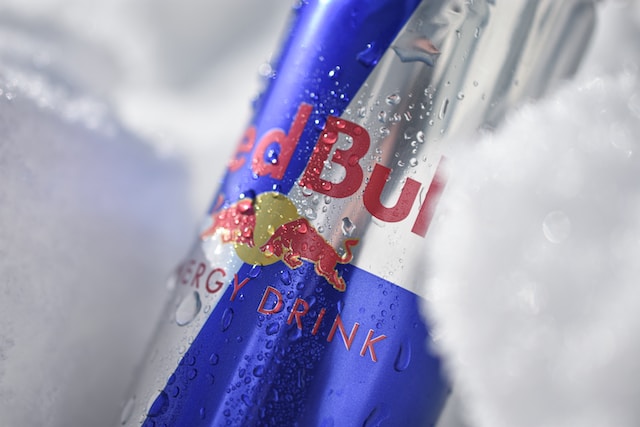
Red Bull contains a unique blend of ingredients that work together to provide consumers with a quick burst of energy. The primary active ingredient in Red Bull is caffeine, which is a natural stimulant found in coffee, tea, and other foods and beverages. Caffeine works by blocking the action of a neurotransmitter called adenosine, which is responsible for making us feel sleepy and tired. By blocking adenosine, caffeine can increase alertness and reduce feelings of fatigue.
In addition to caffeine, Red Bull also contains several other ingredients that are believed to enhance its energy-boosting effects. These include taurine, glucuronolactone, and B vitamins. Taurine is an amino acid that is found naturally in the body, and it has been shown to have a number of potential health benefits. Glucuronolactone is a carbohydrate that is believed to improve mental performance and reduce fatigue. B vitamins are essential nutrients that are involved in many metabolic processes in the body, and they are important for overall health and well-being.
Despite its popularity, Red Bull has been subject to controversy due to its high caffeine content and the potential risks associated with consuming too much caffeine. While the amount of caffeine in Red Bull is considered safe when consumed in moderation, excessive consumption can lead to adverse effects such as insomnia, anxiety, and heart palpitations. Moreover, Red Bull is not recommended for children and pregnant women due to the potential risks associated with caffeine consumption.
It is important to note that Red Bull is neither wine nor beer. Wine and beer are alcoholic beverages that are made through a process of fermentation. Wine is made from fermented grapes, while beer is made from fermented grains such as barley, wheat, and hops. Both wine and beer contain alcohol, which is a depressant that can have a sedative effect on the body.
In contrast, energy drinks like Red Bull are not fermented and do not contain alcohol. They are made by combining various ingredients, including caffeine, taurine, and B vitamins, in a liquid form. The resulting beverage is designed to provide a quick boost of energy without the sedative effects of alcohol.
In conclusion, Red Bull is a popular energy drink that is known for its ability to provide a quick burst of energy and increased alertness. It contains a unique blend of ingredients, including caffeine, taurine, glucuronolactone, and B vitamins, which work together to provide these benefits. While Red Bull is safe when consumed in moderation, excessive consumption can lead to adverse effects due to its high caffeine content. It is important to note that Red Bull is not wine or beer but rather an energy drink that is designed to provide a quick boost of energy without the sedative effects of alcohol.