The front camera, commonly known as the “selfie camera” or the “front-facing camera” on electronic devices such as smartphones, tablets, and laptops, has become an integral part of modern-day communication and self-expression. It allows individuals to capture images or record videos of themselves while facing the screen, rather than pointing the camera away from them. However, the front camera does not necessarily depict an accurate representation of how others see you in real life due to various factors, including optics, perspective, and perception.
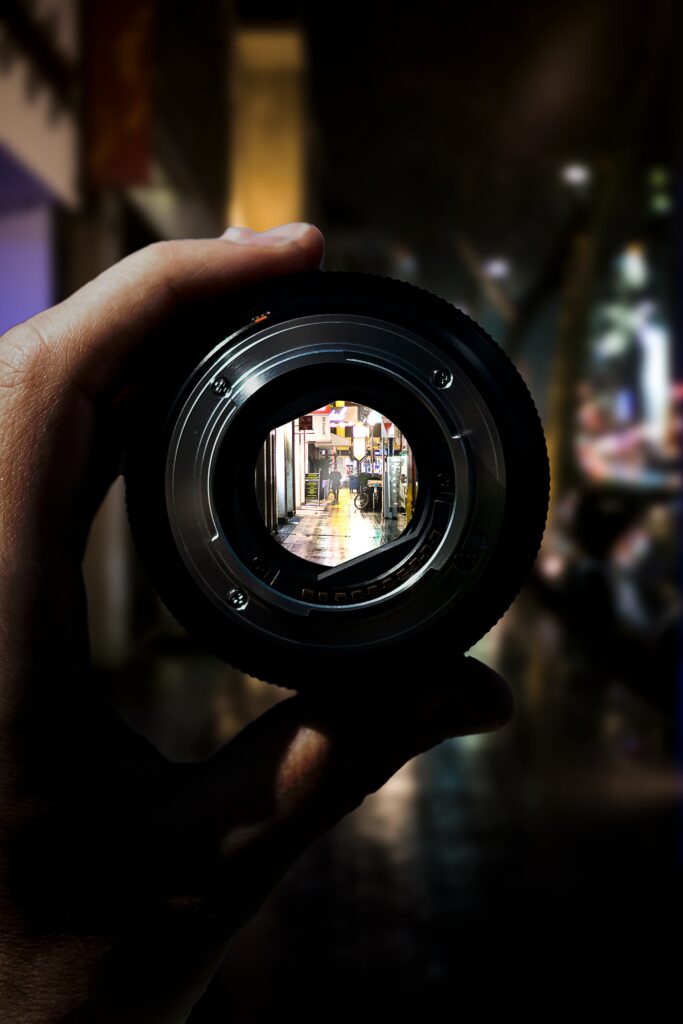
Optics play a crucial role in how the front camera captures images. Most front cameras are wide-angle lenses with a focal length that is typically shorter than the focal length of the rear camera. This wider angle of view can distort the image and alter the proportions of the face and body. For example, it can make the nose appear larger, the face wider, and the features closer together. Additionally, some front cameras may have a fisheye effect, which can cause further distortion and exaggeration of facial features. These optical distortions can result in a selfie appearing different from how others perceive the individual in real life.
Perspective also plays a significant role in how the front camera portrays an image. When taking a selfie, individuals often hold the device at arm’s length or use a selfie stick to capture the photo. This close proximity to the camera can create a distorted perspective, making certain facial features appear more prominent, while others may appear smaller or out of proportion. For example, the arm holding the device may appear elongated, or the face may appear larger due to the close distance between the camera and the subject. This altered perspective can give a false impression of how others perceive the individual’s appearance in person.
Furthermore, perception plays a crucial role in how others see an individual. Human perception is complex and involves various factors such as lighting, angles, distance, and context. When interacting with others in person, these factors come into play, and individuals perceive others in a three-dimensional space with depth and volume. However, when viewing a selfie on a screen, the perception is limited to a two-dimensional representation, which lacks the depth and dimensionality of real-life interactions. This can result in differences between how others perceive an individual in person compared to how they appear in a selfie.
Moreover, individuals often put effort into their appearance when taking a selfie. They may use filters, edit the photo, and pose in a certain way to present their best version of themselves. This curated image may not accurately reflect their everyday appearance and can lead to discrepancies between how others see them in person and how they appear in a selfie. Additionally, individuals may feel self-conscious or adopt different facial expressions when taking a selfie, which can further alter their appearance in the photo compared to how they naturally appear to others.
It’s important to note that perception of beauty and attractiveness varies among cultures, societies, and individuals. What one person finds appealing may not necessarily be the same for another person. Therefore, relying solely on selfies as a measure of how others see you can be misleading and may not provide an accurate representation of reality.
In conclusion, the front camera, or the selfie camera, on electronic devices does not necessarily depict an accurate representation of how others see an individual in real life. Optics, perspective, and perception all play a significant role in how the front camera captures and portrays an image. Optical distortions, altered perspectives, and the curated nature of selfies can lead to differences between how an individual appears in a selfie compared to how they are perceived in person. It’s important to be mindful of these factors and not solely rely on selfies as a measure of one’s appearance or self-worth. True self-expression and self-confidence should be based on a holistic understanding of oneself, including both inner qualities and outward appearances, and not