Dissolvable stitches are a type of suture that are designed to dissolve over time and do not require removal by a healthcare provider. They are commonly used in surgical procedures to close incisions and wounds, and are generally considered safe and effective.
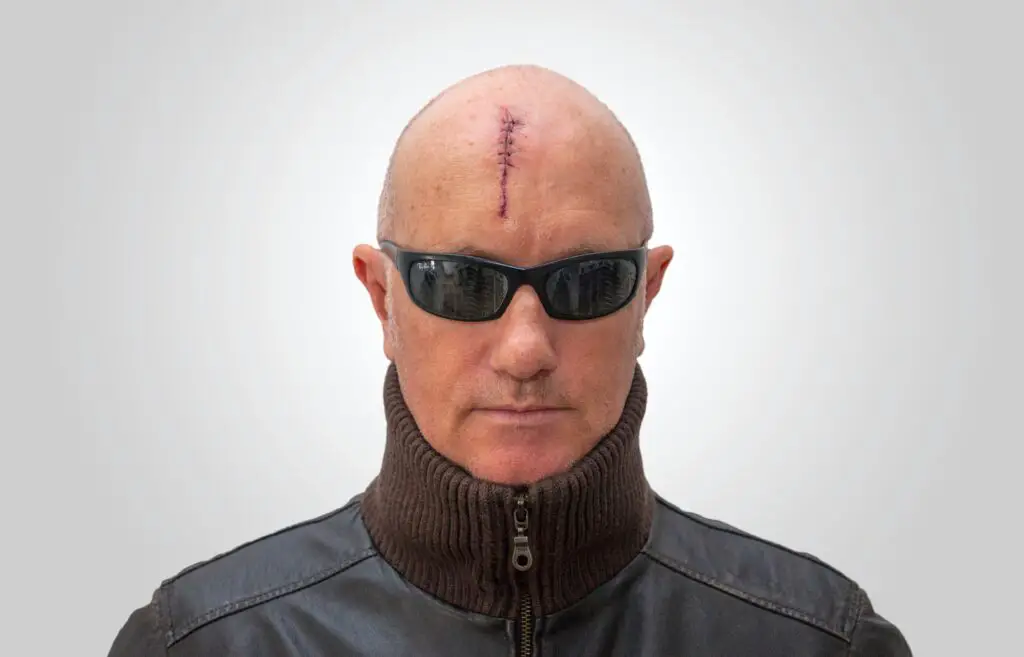
In some cases, it is normal for dissolvable stitches to stick out or protrude slightly from the skin. This can happen if the stitches were not fully absorbed or if the body is slow to break down the material. While it can be concerning to see stitches sticking out, in most cases it is not a cause for alarm.
If you have dissolvable stitches that are sticking out, it is important to keep the area clean and dry to prevent infection. You should avoid touching or pulling on the stitches, as this can cause them to become irritated or dislodged. If you notice any signs of infection, such as redness, swelling, or drainage from the incision site, you should contact your healthcare provider right away.
In some cases, your healthcare provider may need to remove any stitches that are sticking out. This can help to prevent irritation and promote healing. Your provider may use sterile scissors or forceps to carefully cut the protruding stitch, or they may use a specialized tool to remove the entire suture.
It is important to follow your healthcare provider’s instructions for wound care and follow-up appointments after surgery or any procedure that involves dissolvable stitches. This can help to ensure that your wound heals properly and minimize the risk of complications.
In rare cases, dissolvable stitches can cause problems such as infection, allergic reactions, or delayed healing. If you experience any unusual symptoms or complications after surgery or any procedure involving dissolvable stitches, you should contact your healthcare provider right away.
In summary, it is not uncommon for dissolvable stitches to stick out slightly from the skin, and in most cases this is not a cause for concern. However, it is important to keep the area clean and dry and avoid touching or pulling on the stitches. If you notice any signs of infection or have any concerns about your healing process, you should contact your healthcare provider for guidance.