As a responsible and compassionate pet owner, it is important to prioritize the well-being of your kitten, especially when they are crying at night. Ignoring a crying kitten may not be the best approach, as it could lead to potential health, behavioral, and emotional issues. In this essay, we will discuss why it is not advisable to ignore a crying kitten at night, the potential reasons why kittens cry at night, and practical strategies to address this behavior.
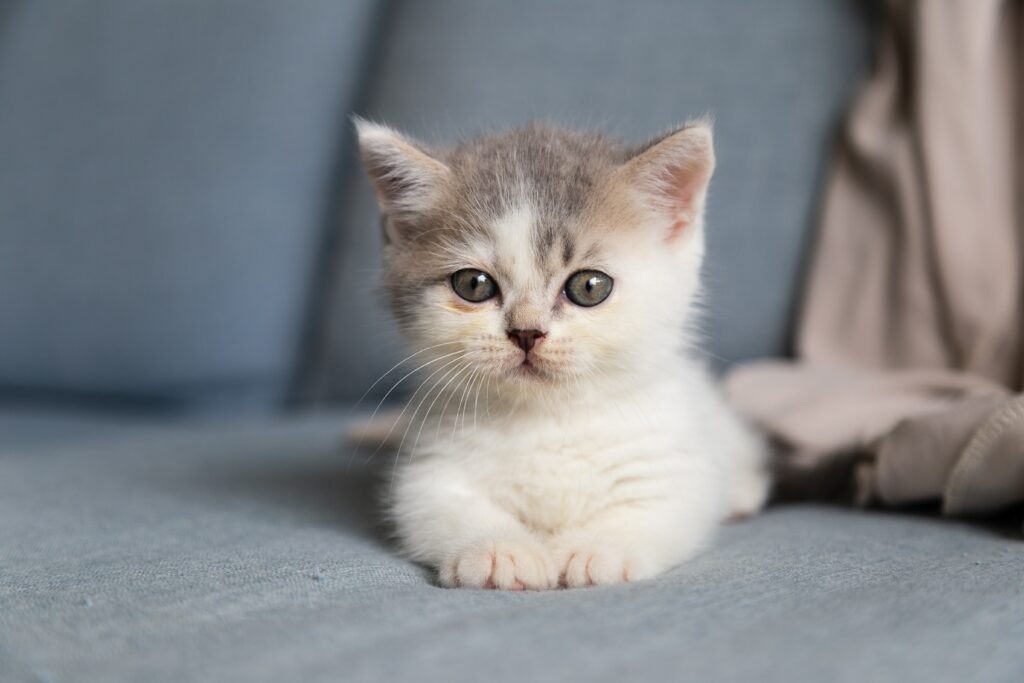
Kittens, like human babies, rely on their caregivers for comfort, security, and basic needs. When a kitten cries at night, it is usually a form of communication, expressing their needs or distress. Ignoring a crying kitten may result in several negative consequences.
Firstly, a crying kitten may be hungry. Kittens have small stomachs and fast metabolisms, which require them to eat more frequently compared to adult cats. If a kitten is hungry, ignoring their cries may lead to malnutrition, dehydration, and stunted growth. Kittens need to be fed a balanced and appropriate diet to support their growth and development, and ignoring their hunger cues may have detrimental effects on their health.
Secondly, a crying kitten may be in discomfort or pain. Kittens may experience discomfort due to digestive issues, urinary problems, teething, or other health-related concerns. Ignoring their cries may prolong their discomfort and potentially worsen their condition. It is crucial to monitor a kitten’s health, observe any signs of pain or discomfort, and seek veterinary care promptly if needed.
Thirdly, a crying kitten may be feeling anxious, scared, or lonely. Kittens, especially when separated from their littermates and mothers, may feel vulnerable and anxious in a new environment, such as a new home. Ignoring their cries may intensify their anxiety and fear, leading to stress-related issues, such as behavioral problems, litter box issues, and socialization difficulties. It is essential to provide a nurturing and comforting environment for a kitten, with appropriate socialization, enrichment, and companionship to help them feel secure and adjust to their new surroundings.
Moreover, ignoring a crying kitten may also lead to negative associations with their cries. Kittens are intelligent and learn from their experiences, and if their cries are consistently ignored, they may develop a learned helplessness or a sense of abandonment. This may result in long-term behavioral issues, such as attention-seeking behaviors, excessive vocalization, and separation anxiety. It is important to establish positive associations with a kitten’s cries by responding to their needs promptly and appropriately.
So, what are the potential reasons why kittens cry at night? Understanding the underlying causes of their cries can help address the issue effectively. Here are some common reasons why kittens may cry at night:
- Hunger: As mentioned earlier, kittens have small stomachs and fast metabolisms, and they may need to eat more frequently compared to adult cats. If a kitten’s last meal was several hours ago, they may cry at night to communicate their hunger.
- Thirst: Kittens, like all animals, need access to clean water to stay hydrated. If a kitten does not have access to water during the night, they may cry to express their thirst.
- Need to Eliminate: Kittens, especially younger ones, may not have full control of their bladder or bowel movements. If a kitten needs to eliminate during the night, they may cry to signal their need to go to the litter box.
- Need for Comfort: Kittens are social animals and may feel anxious, scared, or lonely when separated from their littermates and mothers. If a kitten feels the need for comfort or companionship, they may cry at night to seek reassurance and attention.