An ionic bond is a type of chemical bond that is formed between two atoms or molecules when one atom or molecule transfers one or more electrons to the other. In this process, one atom or molecule becomes positively charged, while the other becomes negatively charged, resulting in an attractive force between the two that holds them together in a stable compound.
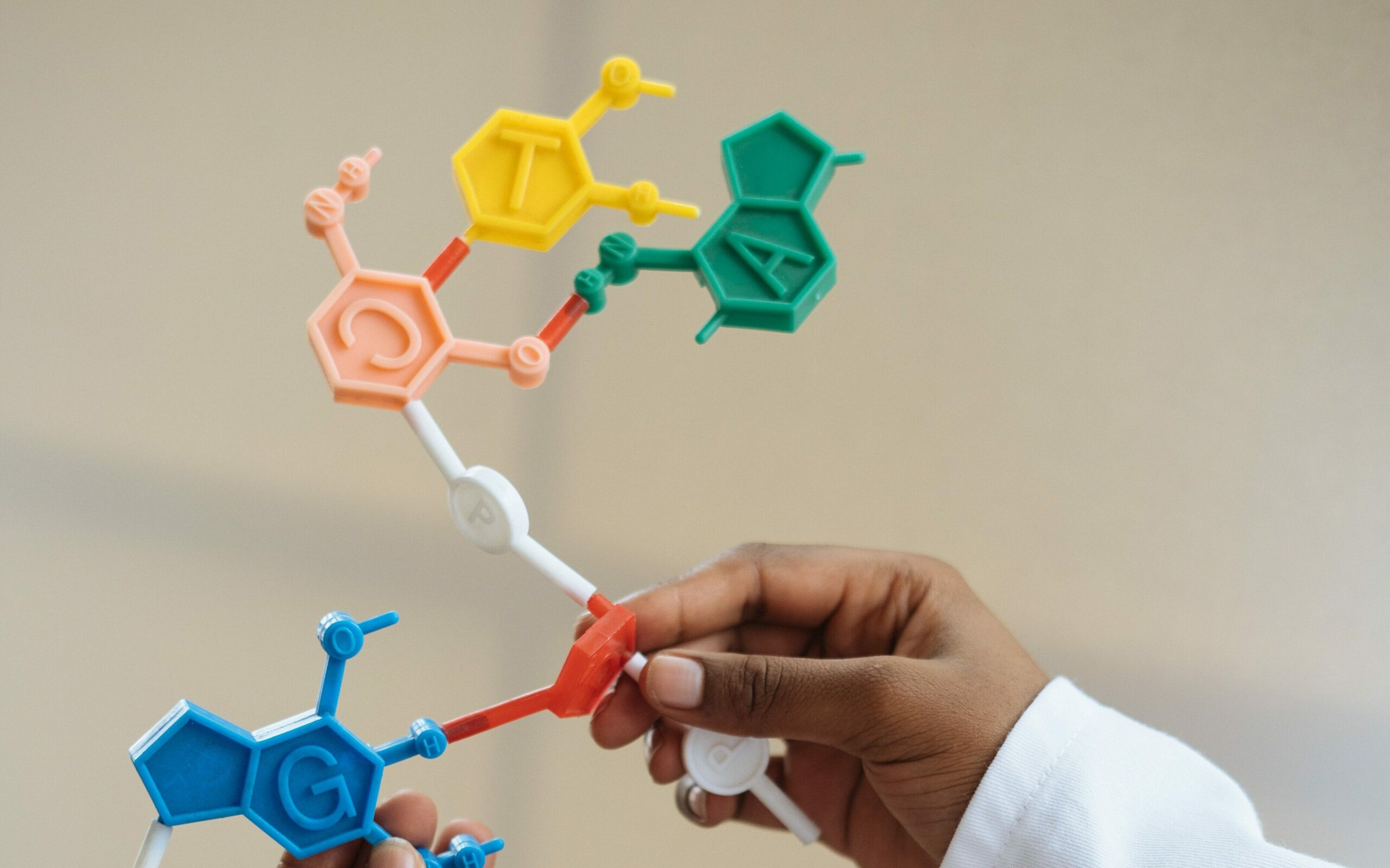
Ionic bonding typically occurs between metals and non-metals, as metals tend to lose electrons and become positively charged cations, while non-metals tend to gain electrons and become negatively charged anions. When a metal atom loses an electron, it becomes a positively charged ion, or cation. For example, sodium, a metal, loses one electron to form a sodium ion, which has a positive charge. When a non-metal atom gains an electron, it becomes a negatively charged ion, or anion. For example, chlorine, a non-metal, gains one electron to form a chloride ion, which has a negative charge.
The attractive force between the positively charged cation and the negatively charged anion forms an ionic bond, which is usually quite strong and results in a stable compound. Ionic compounds typically have high melting and boiling points, and are usually solid at room temperature. They are also usually soluble in water, as water molecules can surround the ions and help to dissolve them.
One example of an ionic compound is sodium chloride, which is commonly known as table salt. Sodium chloride is formed by the ionic bonding of a sodium ion and a chloride ion. Sodium chloride is an essential nutrient for humans, and is commonly used as a flavoring and preservative in food.
Another example of an ionic compound is calcium carbonate, which is the main component of chalk, limestone, and marble. Calcium carbonate is formed by the ionic bonding of a calcium ion and a carbonate ion. It is used in a wide variety of applications, including as a building material, as a filler in paints and plastics, and as a dietary supplement.
Ionic bonds are typically quite strong, but they can be broken by certain chemical reactions. For example, when an ionic compound is dissolved in water, the water molecules surround the ions and can cause them to separate, resulting in the dissolution of the compound. Similarly, when an ionic compound is melted, the thermal energy can cause the ions to separate, resulting in the melting of the compound.
In summary, an ionic bond is a type of chemical bond that is formed between two atoms or molecules when one atom or molecule transfers one or more electrons to the other. The resulting attraction between the oppositely charged ions creates a strong and stable bond, which forms a compound with unique properties. Ionic compounds are commonly found in nature and are used in a wide variety of applications, including as building materials, dietary supplements, and flavorings.