This Notion recipe organizer template allows you to keep all your favorite recipes in one place. You can easily categorize them, add ingredients, and track cooking instructions.
The setup is straightforward, making it easy for anyone to manage their culinary creations and meal planning.
Creating Your Recipe Organizer in Notion
Setting up a recipe organizer in Notion is a straightforward process that enhances your cooking experience.
Start by creating a new page and giving it a title like “Recipe Organizer.” This will serve as your central hub for all culinary delights.
Next, add a database table to your page. This table will be the backbone of your recipe collection, allowing you to categorize and manage your recipes efficiently.
Designing Your Recipe Cards
Each recipe card in your Notion database should be visually appealing and informative.
Include essential elements such as the recipe name, a list of ingredients, and a star rating system. This layout not only makes it easy to find your favorite dishes but also adds a colorful touch to your workspace.
Using a soft, neutral background will create a calming atmosphere, making your cooking sessions more enjoyable.
Consider using different colors for each recipe card to help differentiate between various types of dishes.
Organizing Your Recipes
To keep your recipe collection manageable, utilize tags or categories.
Organize recipes by type, such as appetizers, main courses, and desserts. This will allow you to quickly find what you’re looking for when planning meals.
Regularly updating your database is essential.
As you discover new recipes or modify existing ones, make sure to reflect those changes in your Notion page. This keeps your collection fresh and relevant.
Tracking Ingredients and Instructions
Each recipe card should include a detailed list of ingredients and clear cooking instructions.
This ensures that you have all the necessary information at your fingertips when you’re ready to cook.
Consider breaking down the instructions into simple steps to make the cooking process easier.
This way, even complex recipes become approachable and enjoyable.
Utilizing the Rating System
Incorporating a star rating system is a fantastic way to remember which recipes you enjoyed the most.
After trying a recipe, take a moment to rate it based on your experience. This will help you prioritize your favorites for future meals.
You can also encourage family members or friends to rate recipes, creating a collaborative cooking experience that everyone can enjoy.
Final Touches and Personalization
Once your recipe organizer is set up, take some time to personalize it.
Add images or notes to each recipe card to make it uniquely yours. This personal touch can make your cooking space feel more inviting and inspiring.
Remember, the goal is to create a functional and aesthetically pleasing workspace that enhances your culinary adventures.
With a clean and organized Notion page, you’ll be well on your way to becoming a more efficient home cook.
Efficient Recipe Management in Notion
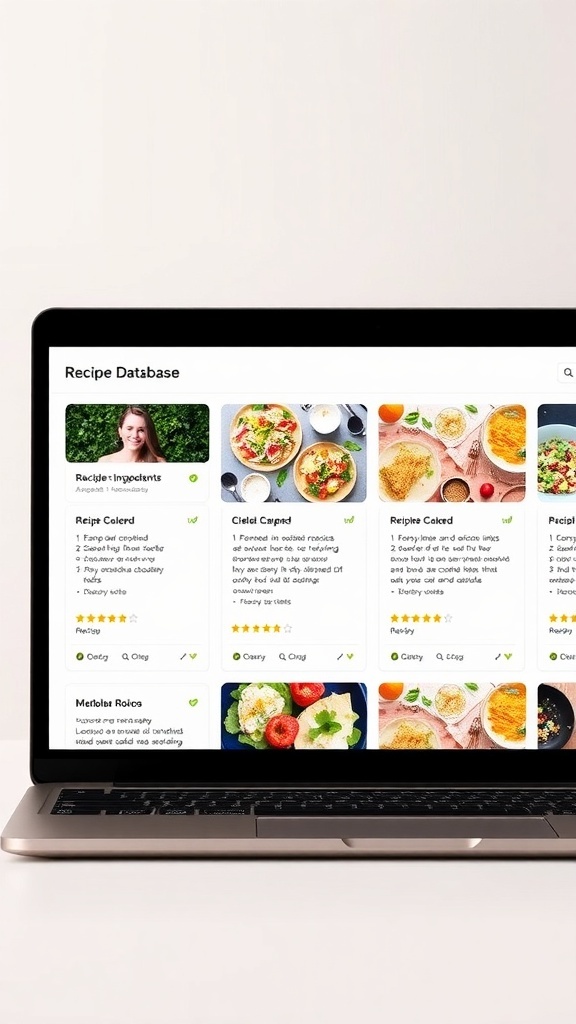
This Notion template is designed for home cooks who want to streamline their recipe collection. It features sections for ingredients, instructions, and even a rating system to help you remember which recipes you loved the most.
Ingredients
- Notion account
- Basic understanding of Notion features
- List of your favorite recipes
Instructions
- Create a new page in Notion and title it ‘Recipe Organizer’.
- Add a database table with columns for Recipe Name, Ingredients, Instructions, and Rating.
- Input your recipes into the table, filling out each column accordingly.
- Use tags or categories to organize recipes by type (e.g., appetizers, main courses, desserts).
- Regularly update the database with new recipes or modifications to existing ones.
Cook and Prep Times
- Prep Time: 15 minutes
- Total Time: 15 minutes
- Servings: N/A
- Calories: N/A
- Fat: N/A
- Protein: N/A
- Carbohydrates: N/A
Related
- Recipe Notion Template
- Homemade Sauces and Condiments Organizer
- DIY Egg Organizer for Your Kitchen
- Recipe Organizer Guide