When your yeast fails to rise, it can be frustrating, especially when you’re eager to bake bread or other yeast-based recipes. Understanding the common reasons for yeast not rising can help you troubleshoot and achieve the perfect dough.
This guide covers essential factors such as yeast freshness, water temperature, and the environment that can affect yeast activation.
The Art of Yeast Activation
Creating the perfect dough starts with understanding yeast, a living organism that plays a crucial role in baking.
Without the right conditions, yeast may fail to rise, leading to disappointing results in your baking endeavors.
Recognizing the factors that influence yeast activation can make all the difference.
Understanding Yeast Freshness
One of the primary reasons for yeast not rising is the freshness of the yeast itself.
Expired yeast can lead to a flat dough, so always check the expiration date before starting your recipe.
If you’re unsure about the yeast’s viability, a simple proofing test can help. Mix the yeast with warm water and a bit of sugar; if it bubbles, your yeast is good to go!
Water Temperature Matters
The temperature of the water used to activate yeast is another critical factor.
Water that is too hot can kill the yeast, while water that is too cold may not activate it effectively.
Aim for a temperature range between 100°F to 110°F for optimal results. This temperature range creates a welcoming environment for your yeast to flourish.
Time for Fermentation
Patience is key when it comes to allowing your dough to rise.
Depending on the recipe, the dough may need anywhere from 1 to 2 hours to reach its full potential.
Place your dough in a warm, draft-free area to encourage fermentation and watch as it transforms into a fluffy masterpiece.
Creating the Right Environment
Yeast thrives in warmth, so consider the environment in which your dough is rising.
If your kitchen is on the cooler side, you can create a cozy spot for your dough.
Try placing it in a slightly warm oven or covering it with a damp cloth to help retain heat and moisture.
Essential Ingredients for Success
Besides yeast, several key ingredients contribute to the success of your dough.
Active dry or instant yeast, warm water, sugar, flour, and salt are the building blocks of a great bread recipe.
Each component plays a role in flavor and texture, ensuring that your final product is not only beautiful but also delicious.
Common Reasons for Yeast Not Rising
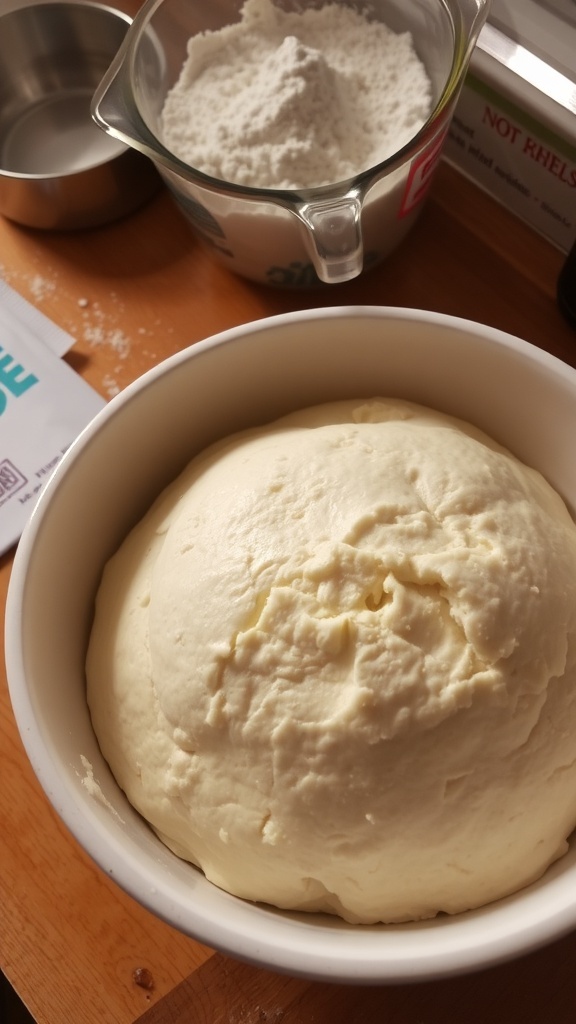
Yeast is a living organism that requires the right conditions to thrive. If your dough isn’t rising, it may be due to expired yeast, incorrect water temperature, or insufficient time for fermentation. By following proper techniques and checking your ingredients, you can ensure successful yeast activation.
Ingredients
- Active dry yeast or instant yeast
- Warm water (between 100°F to 110°F)
- Sugar (to feed the yeast)
- Flour (for the dough)
- Salt (to enhance flavor)
Instructions
- Check Yeast Freshness: Ensure that your yeast is within its expiration date. If in doubt, perform a yeast proofing test by mixing it with warm water and sugar to see if it bubbles.
- Use Correct Water Temperature: Water that is too hot can kill the yeast, while water that is too cold may not activate it. Aim for a temperature between 100°F to 110°F.
- Provide Enough Time: Allow your dough to rise in a warm, draft-free environment. Depending on the recipe, this can take anywhere from 1 to 2 hours.
- Consider the Environment: Yeast thrives in a warm environment. If your kitchen is too cold, try placing the dough in a slightly warm oven or covering it with a damp cloth to retain warmth.
Cook and Prep Times
- Prep Time: 5 minutes
- Rise Time: 1-2 hours
- Total Time: 1-2 hours 5 minutes
- Servings: Varies based on recipe
- Calories: Varies based on ingredients used