Bread texture is a crucial aspect that influences the overall eating experience. It encompasses the crumb structure, crust characteristics, and mouthfeel, all of which contribute to how we perceive and enjoy bread.
Different types of bread, such as sourdough, baguettes, and whole grain, showcase varying textures due to ingredients and baking techniques. Understanding these elements can help you achieve the desired texture in your homemade bread.
Understanding Bread Texture
Bread texture plays a significant role in the overall enjoyment of this beloved staple.
It encompasses various elements, including the crumb structure, crust characteristics, and mouthfeel.
These factors all contribute to how we perceive and savor bread, making texture an essential aspect of the baking process.
Different types of bread, such as sourdough, baguettes, and whole grain, exhibit unique textures.
These variations arise from the ingredients used and the specific baking techniques employed.
By grasping these elements, you can achieve your desired texture in homemade bread.
Key Factors Influencing Bread Texture
The texture of bread is largely determined by several key factors.
The type of flour used is crucial; for example, high-gluten flour results in a chewier texture, while lower gluten flours create a softer crumb.
Hydration levels also play a vital role, as the amount of water in the dough affects the final product’s lightness and airiness.
Fermentation processes are another important consideration.
Proper kneading and fermentation can significantly enhance the structure and airiness of the bread.
These steps allow for the development of gluten, which is essential for achieving that perfect loaf.
The Role of Crust in Texture
The crust of bread is not just a protective layer; it contributes significantly to the overall texture and flavor.
A golden-brown crust indicates proper baking, providing a contrast to the soft crumb inside.
The glossy sheen often seen on freshly baked loaves is a sign of moisture and proper oven spring.
When baked correctly, the crust offers a satisfying crunch that complements the airy interior.
This combination of textures enhances the eating experience, making each bite enjoyable.
The crust also serves to lock in moisture, keeping the bread fresh for longer.
Air Pockets and Their Importance
Visible air pockets within the crumb are a hallmark of well-made bread.
These pockets indicate that the dough has fermented adequately and that the gluten structure is intact.
A light and airy crumb is often sought after, especially in artisan-style loaves.
Air pockets contribute to the overall mouthfeel, providing a delightful contrast to the denser crust.
The presence of these pockets allows for better absorption of flavors, whether it be butter, jams, or other spreads.
Achieving the right balance of airiness and density is key to creating a satisfying loaf.
Tips for Achieving the Perfect Texture
To create bread with the desired texture, start by selecting the right flour.
Experiment with different types to see how they affect the final product.
Hydration levels should also be adjusted based on the flour type and the desired outcome.
Pay attention to the kneading process; it should be thorough but not excessive.
Allowing the dough to ferment properly is crucial for developing flavor and texture.
Finally, monitor the baking time and temperature to ensure a well-cooked crust and a soft, airy crumb.
Conclusion: The Art of Bread Making
Mastering the texture of bread is an art that combines science and creativity.
By understanding the factors that influence texture, bakers can create loaves that are not only visually appealing but also delightful to eat.
With practice and experimentation, achieving the perfect loaf becomes an enjoyable and rewarding experience.
Key Factors Influencing Bread Texture
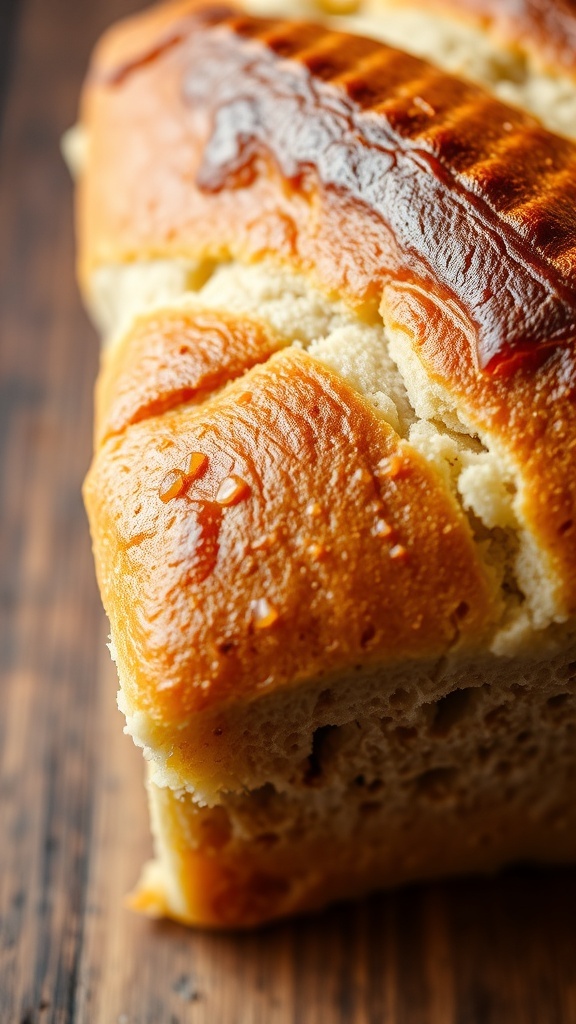
The texture of bread is primarily determined by the type of flour used, hydration levels, fermentation processes, and baking methods. For instance, high-gluten flour produces a chewier texture, while lower gluten flours yield a softer crumb. Additionally, proper kneading and fermentation can enhance the bread’s structure and airiness.
Ingredients
Instructions
Cook and Prep Times
Related
- Understanding Egg Quality: A Comprehensive Guide
- Understanding Yeast: A Comprehensive Diagram
- Understanding Yeast Texture in Baking
- Understanding Yeast: A Comprehensive Guide