Tornadoes are one of the most devastating natural disasters, capable of causing extensive damage and loss of life. The size and intensity of a tornado are determined by a variety of factors, including wind speed, size, and duration. Here are the three largest tornadoes ever recorded in terms of their size and impact.
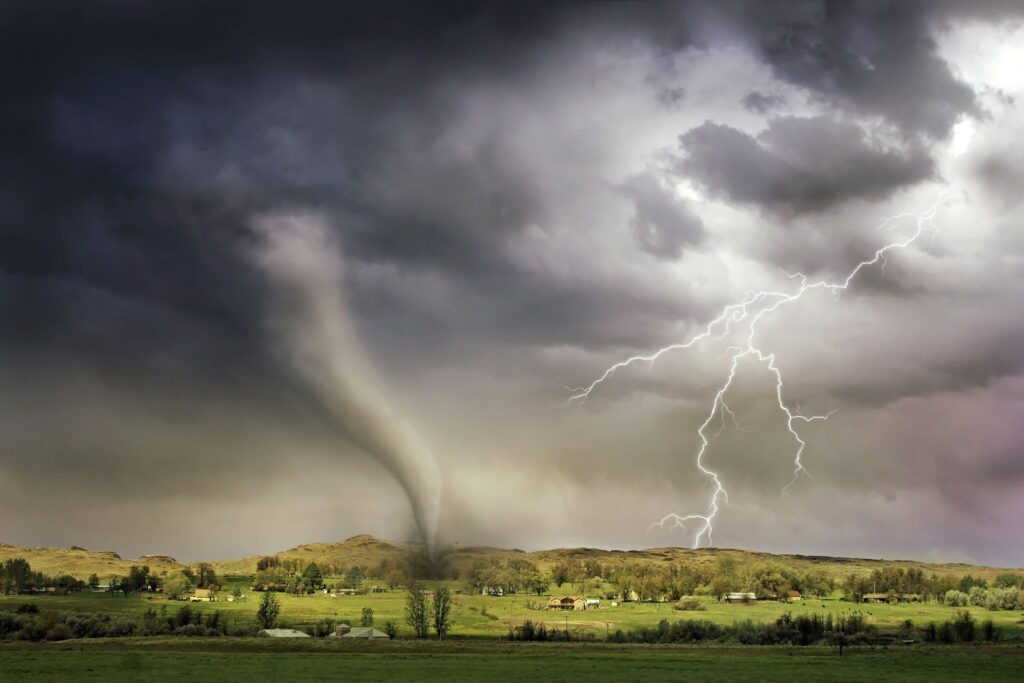
- The Tri-State Tornado of 1925: The Tri-State Tornado is the deadliest tornado in U.S. history, with 695 confirmed fatalities and over 2,000 injuries. The tornado traveled a distance of 219 miles across Missouri, Illinois, and Indiana on March 18, 1925. The tornado was classified as an F5 on the Fujita scale, with winds estimated to be over 300 miles per hour. The tornado destroyed over 15,000 homes, leaving thousands of people homeless. It remains the longest-lived tornado ever recorded, lasting for over three and a half hours.
- The Hallam, Nebraska Tornado of 2004: On May 22, 2004, a tornado hit the small town of Hallam, Nebraska. The tornado was classified as an F4 on the Fujita scale, with winds reaching up to 260 miles per hour. The tornado was approximately two and a half miles wide, making it one of the largest tornadoes ever recorded. The tornado destroyed over 100 homes and caused over $10 million in damages. Fortunately, there were no fatalities from the Hallam tornado.
- The El Reno Tornado of 2013: The El Reno Tornado struck central Oklahoma on May 31, 2013. The tornado was the widest tornado ever recorded, with a width of 2.6 miles, which is wider than the city of Manhattan. The tornado was classified as an EF5 on the Enhanced Fujita scale, with winds estimated to be up to 296 miles per hour. The tornado killed eight people, including several storm chasers, and caused over $35 million in damages. The El Reno tornado was one of several tornadoes that hit the area during a two-day period, making it one of the deadliest and most destructive tornado outbreaks in recent history.
While tornadoes can be extremely dangerous and destructive, advances in technology and forecasting have helped to reduce the impact of these storms on human life. Meteorologists can now use radar, satellite imagery, and computer models to predict when and where tornadoes are likely to form, allowing people to take necessary precautions and evacuate before the storm hits. Nonetheless, tornadoes remain a significant threat to communities across the United States, and it is important to remain vigilant and prepared in the event of a severe weather event.