Nitrous oxide, also known as laughing gas, is a type of sedation that has been used in dentistry for many years. It is a safe and effective way to help patients relax and reduce anxiety during dental procedures. However, there has been a decrease in the use of nitrous oxide in recent years. Here are some reasons why?
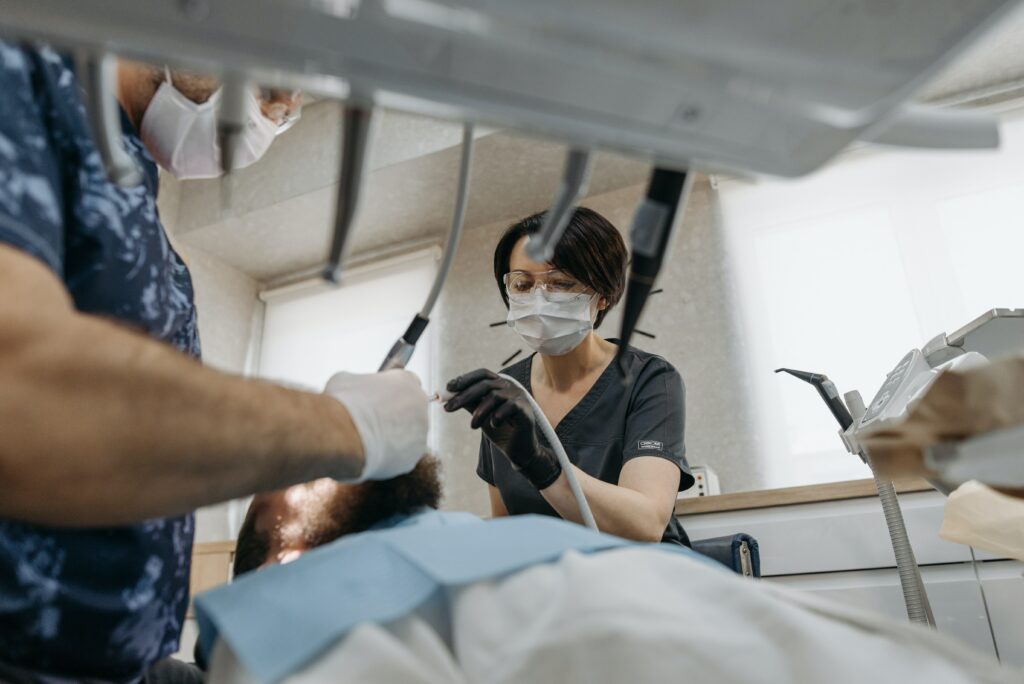
- Safety Concerns: While nitrous oxide is generally considered safe, there are some risks associated with its use. High concentrations of nitrous oxide can cause nausea, vomiting, and dizziness. Prolonged exposure to nitrous oxide can also cause nerve damage, which can lead to numbness, tingling, and weakness in the arms and legs. In rare cases, nitrous oxide can also cause a condition known as hypoxia, where the body does not receive enough oxygen, leading to unconsciousness and potentially even death. As a result, some dentists have stopped using nitrous oxide due to safety concerns.
- Availability of Other Sedation Methods: With advances in dental technology, there are now other sedation methods available that are just as effective as nitrous oxide and do not carry the same risks. For example, oral sedatives, such as Valium or Halcion, can be taken before the dental procedure to help patients relax. These medications are stronger than nitrous oxide and can provide a deeper level of sedation. Additionally, intravenous (IV) sedation can be used to provide a deeper level of sedation for patients who require it.
- Cost: Nitrous oxide requires specialized equipment, such as a nitrous oxide tank and regulator, which can be expensive to purchase and maintain. Additionally, nitrous oxide requires a trained dental professional to administer and monitor the patient, which can add to the cost of the procedure. Some dentists may choose not to use nitrous oxide due to the additional cost involved.
- Patient Preference: While some patients prefer nitrous oxide as a sedation method, others may find it uncomfortable or ineffective. For example, patients who have difficulty breathing through their nose may have difficulty using nitrous oxide, as the gas is typically administered through a mask that covers the nose. Other patients may prefer a stronger level of sedation, such as oral or IV sedation.
In summary, while nitrous oxide is a safe and effective sedation method in dentistry, there are several reasons why dentists may choose not to use it. Safety concerns, the availability of other sedation methods, cost, and patient preference are all factors that can influence a dentist’s decision to use nitrous oxide or not. It is important for patients to discuss their sedation options with their dentist to determine which method is best for their individual needs and comfort level.