One common method of detecting counterfeit money is by using a counterfeit detection pen. These pens contain a solution that is sensitive to the type of paper used in genuine currency. When applied to a genuine bill, the solution will not leave a mark or will appear yellow. However, if the solution is applied to counterfeit money, it will leave a dark mark.
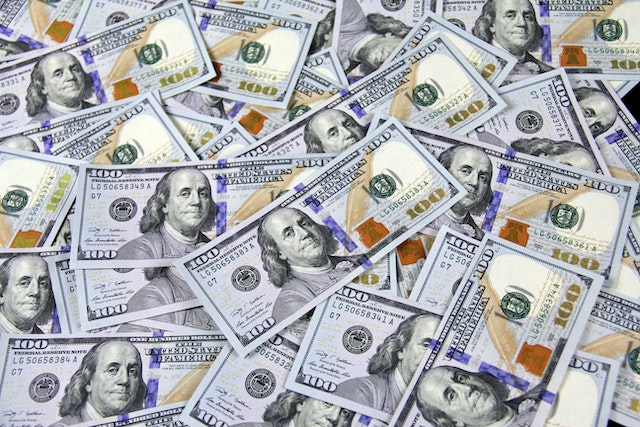
The ink in the counterfeit detection pen contains iodine, which reacts with starch in the paper. Genuine US currency is printed on paper made of 75% cotton and 25% linen, and the ink used in the printing process does not contain starch. Counterfeiters, however, often use paper made from wood pulp, which contains starch, making it more affordable and easier to obtain.
When the iodine solution in the counterfeit detection pen is applied to counterfeit money made from wood pulp, the starch in the paper reacts with the iodine, causing the ink to turn dark. The darkness of the mark can vary depending on the quality of the counterfeit money and the amount of starch in the paper.
It is important to note that counterfeit detection pens are not always 100% accurate and can produce false positives or false negatives. Other methods of counterfeit detection should also be used in conjunction with counterfeit detection pens, including ultraviolet lights, watermark verification, and security thread inspection.
In summary, counterfeit detection pens can be used to detect fake currency by reacting with the starch in the paper used for counterfeit money. When the pen is used on genuine currency, it will not leave a mark or appear yellow, while on counterfeit money, it will leave a dark mark. However, it is important to use other methods of counterfeit detection to confirm the authenticity of a bill.