Healthy blood is typically described as being a bright, rich red color, similar to that of a ripe tomato or a ruby gemstone. However, the exact shade of red can vary depending on a number of factors, including the amount of oxygen in the blood, the level of hydration, and the presence of certain medications or medical conditions.
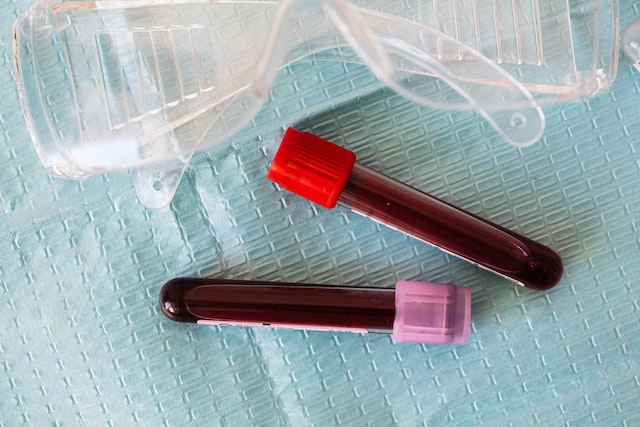
The color of blood is primarily determined by the presence of a pigment called hemoglobin, which is found in red blood cells. Hemoglobin is responsible for carrying oxygen from the lungs to the rest of the body, and its color changes depending on whether it is carrying oxygen or not.
When hemoglobin is carrying oxygen, it has a bright red color that is often described as cherry red. This is because oxygen binds to the iron atoms in the hemoglobin molecule, causing it to change shape and reflect light in a way that makes it appear bright red.
On the other hand, when hemoglobin is not carrying oxygen, it has a darker, bluish-red color. This is often referred to as “deoxyhemoglobin,” and it is what gives venous blood (blood that has already circulated through the body and is returning to the heart) its characteristic dark color.
In addition to hemoglobin, blood also contains other components that can affect its color. For example, if the blood is very dilute or if the person is dehydrated, the blood may appear lighter or more pinkish in color. Similarly, if the person has taken certain medications or has a medical condition that affects their blood cells, the blood may appear darker or more yellowish in color.
Overall, the color of healthy blood can be a good indicator of a person’s overall health and well-being. If the blood appears to be a normal, bright red color, this is typically a sign that the person is well-hydrated and has an adequate supply of oxygen circulating throughout their body. However, if the blood appears to be a different color (such as a dark red, yellowish, or greenish hue), this may be a sign of an underlying medical condition and should be evaluated by a healthcare professional.
It’s also worth noting that the color of blood can vary depending on where in the body it is being drawn from. For example, arterial blood (blood that is leaving the heart and heading out to the rest of the body) is typically a brighter, more vibrant red color than venous blood (blood that is returning to the heart after circulating through the body). This is because arterial blood is oxygen-rich and has a higher concentration of hemoglobin than venous blood.
In summary, healthy blood is typically a bright, rich red color that is similar to that of a ripe tomato or a ruby gemstone. This color is primarily determined by the presence of hemoglobin, a pigment found in red blood cells that is responsible for carrying oxygen throughout the body. However, the exact shade of red can vary depending on a number of factors, including the amount of oxygen in the blood, the level of hydration, and the presence of certain medications or medical conditions. If the color of the blood appears abnormal or unusual, it may be a sign of an underlying medical condition and should be evaluated by a healthcare professional.