India is a diverse country with a vast population, and therefore, the skin tone of Indians can vary greatly. It is difficult to generalize the skin tone of all Indians, as it can range from very light to very dark, and everything in between.
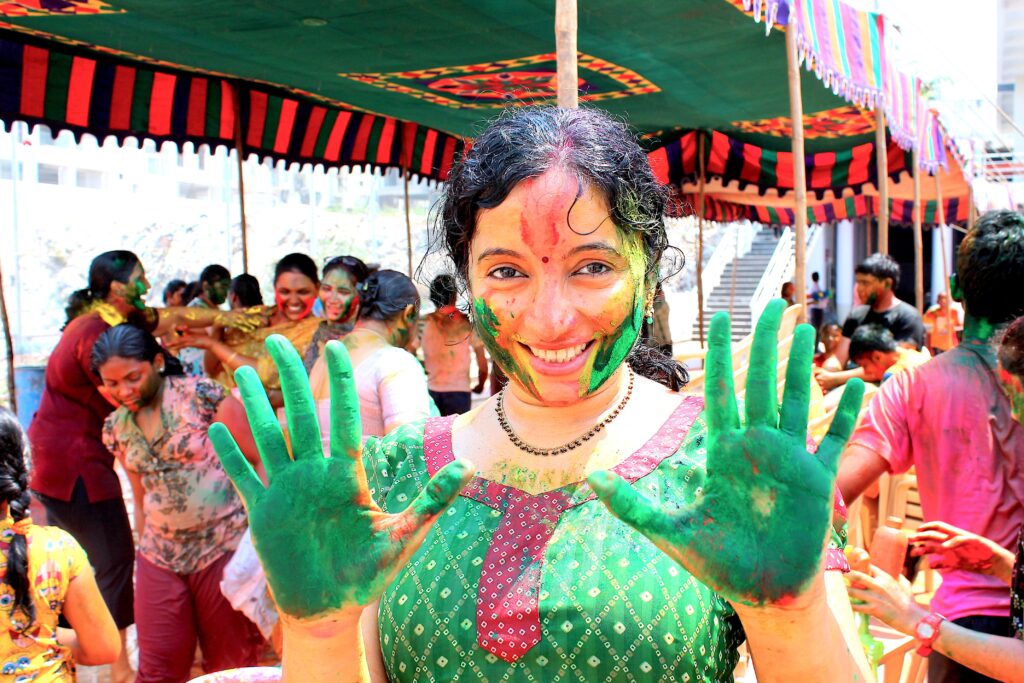
In India, skin tone has been historically associated with caste, religion, and social status. People with lighter skin tones were traditionally considered to be of higher caste and social status, while those with darker skin tones were often discriminated against and considered to be of lower caste or inferior.
However, it is important to note that skin tone does not determine a person’s worth or value, and discrimination based on skin tone is unacceptable. India has made progress in recent years to combat colorism and promote diversity and inclusivity.
That being said, Indians generally have a range of skin tones that fall into the Fitzpatrick skin type scale, which is a classification system that describes skin types based on the skin’s reaction to sunlight exposure. Indians typically fall into the range of skin types III to VI on this scale.
Skin type III includes people who have fair to beige skin that may burn with initial sun exposure but can eventually develop a tan. Skin type IV includes people with light brown to moderate brown skin that may rarely burn but can easily develop a tan. Skin type V includes people with brown to dark brown skin that rarely burns and tans easily. Skin type VI includes people with very dark brown to black skin that never burns and tans very easily.
In summary, Indians have a diverse range of skin tones that fall within the Fitzpatrick skin type scale, ranging from fair to dark brown to black. It is important to celebrate and embrace this diversity rather than discriminate based on skin tone.