Termites are small, social insects that feed on wood and can cause extensive damage to homes and buildings if left untreated. When termites infest walls, they can create a network of tunnels and chambers within the wood, and their activities can sometimes produce audible sounds. In this article, we will explore what termites sound like in walls and what those sounds may indicate.
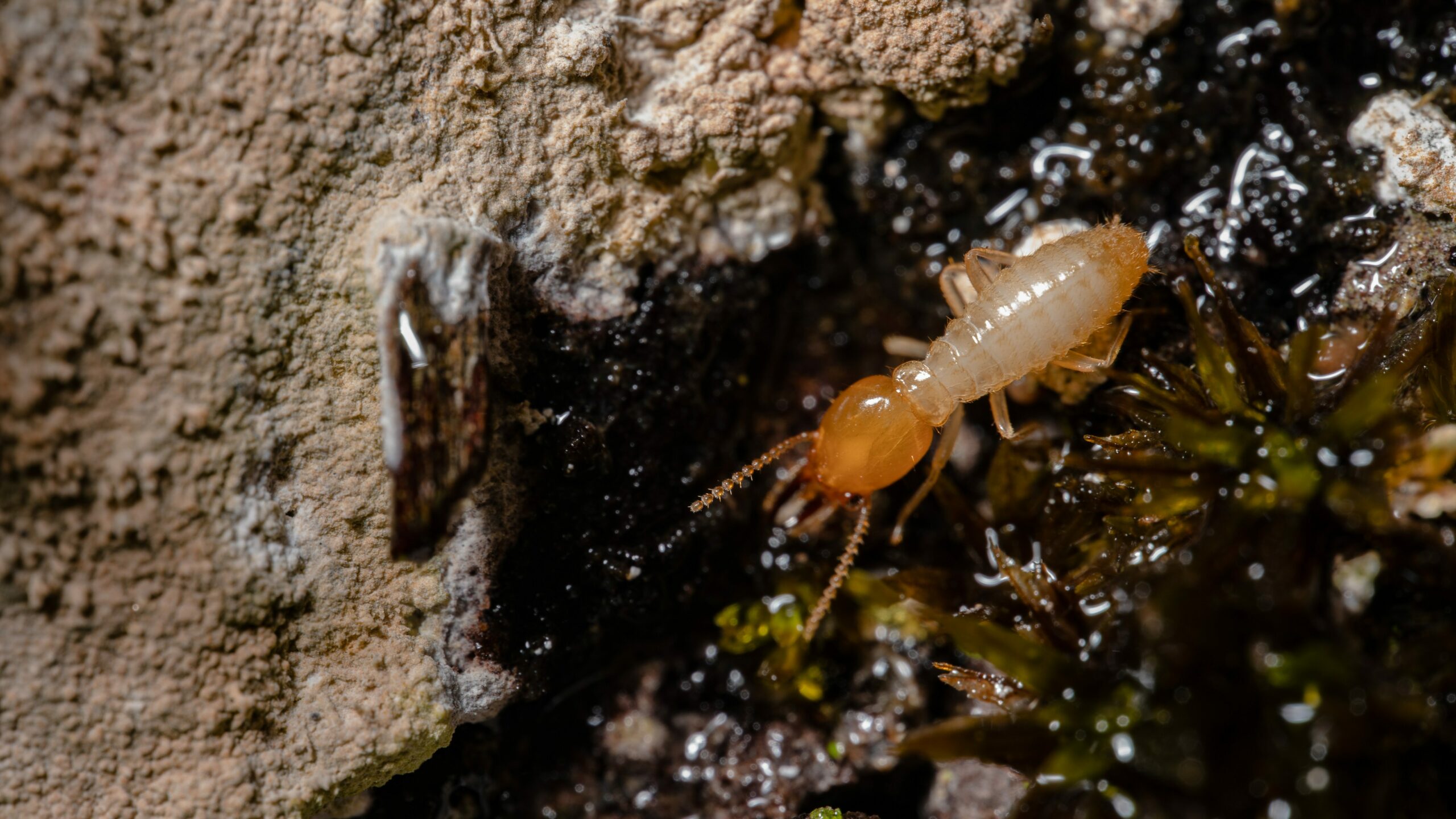
Termites are generally silent insects and do not make loud or easily noticeable sounds. However, they may produce subtle noises while feeding, excavating tunnels, and communicating with each other. The sounds termites make can vary depending on the species of termites, the size of the colony, the type of wood they are feeding on, and other factors.
One of the most common sounds termites may produce in walls is a soft tapping or clicking noise. This sound is typically made by soldier termites, which have large, strong jaws used for defending the colony. Soldier termites may tap their jaws against the wood or shake their bodies to signal danger or communicate with other termites.
Another sound that termites may produce is a faint rustling or chewing sound. This sound can occur as termites feed on the wood and tunnel through it. Termites use their sharp jaws to bite and chew through the cellulose fibers in wood, which can create a faint noise as they consume the wood.
Termites may also create sounds by banging their heads or shaking their bodies against the walls of their tunnels. This behavior, known as head-banging or stridulation, can serve as a form of communication among termites and may be used to signal alarm, attract mates, or establish territory.
In addition to tapping, clicking, chewing, and head-banging sounds, termites may also produce vibrations that can be heard as faint humming or buzzing sounds. These vibrations can be a result of termites moving and working within the walls or through the tunnels. The vibrations may travel through the wood and can sometimes be audible to humans, although they are usually very faint and may require sensitive equipment to detect.
It’s important to note that the sounds termites make in walls are usually not loud or obvious, and they are often difficult to detect without specialized equipment. In many cases, termite infestations in walls may go unnoticed for extended periods of time, as the insects work silently and gradually, causing damage to the wood structure of a building without drawing attention to themselves.
If you suspect a termite infestation in your walls, it’s essential to contact a professional pest control company for a thorough inspection and proper identification of the pests. Pest control experts are trained to identify termite infestations based on various signs, including visual evidence of termite activity, such as mud tubes, termite droppings, discarded wings, and damage to wood, as well as by using specialized equipment to detect sounds, vibrations, and other indicators of termite presence.
It’s worth noting that termite infestations in walls can be serious and may require prompt and effective treatment to prevent further damage to the structure of a building. Termite control methods may include the use of chemical treatments, bait stations, or physical barriers, depending on the severity of the infestation and the specific species of termites involved.
Prevention is also crucial in termite control. Taking proactive measures to reduce the risk of termite infestations in walls and other areas of a building can help avoid costly damage and repairs. Some preventive measures include eliminating moisture sources, such as leaky pipes or clogged gutters, keeping firewood and other wooden debris away from the building, maintaining proper ventilation and drainage, sealing cracks and gaps in the walls and foundation, and scheduling regular termite inspections by a professional pest control company.